
Get trending papers in your email inbox once a day!
Get trending papers in your email inbox!
Subscribe

TuRTLe: A Unified Evaluation of LLMs for RTL Generation
The rapid advancements in LLMs have driven the adoption of generative AI in various domains, including Electronic Design Automation (EDA). Unlike traditional software development, EDA presents unique challenges, as generated RTL code must not only be syntactically correct and functionally accurate but also synthesizable by hardware generators while meeting performance, power, and area constraints. These additional requirements introduce complexities that existing code-generation benchmarks often fail to capture, limiting their effectiveness in evaluating LLMs for RTL generation. To address this gap, we propose TuRTLe, a unified evaluation framework designed to systematically assess LLMs across key RTL generation tasks. TuRTLe integrates multiple existing benchmarks and automates the evaluation process, enabling a comprehensive assessment of LLM performance in syntax correctness, functional correctness, synthesis, PPA optimization, and exact line completion. Using this framework, we benchmark a diverse set of open LLMs and analyze their strengths and weaknesses in EDA-specific tasks. Our results show that reasoning-based models, such as DeepSeek R1, consistently outperform others across multiple evaluation criteria, but at the cost of increased computational overhead and inference latency. Additionally, base models are better suited in module completion tasks, while instruct-tuned models perform better in specification-to-RTL tasks.



TurtleBench: A Visual Programming Benchmark in Turtle Geometry
Humans have the ability to reason about geometric patterns in images and scenes from a young age. However, developing large multimodal models (LMMs) capable of similar reasoning remains a challenge, highlighting the need for robust evaluation methods to assess these capabilities. We introduce \Turtle, a benchmark designed to evaluate LMMs' capacity to interpret geometric patterns -- given visual examples, textual instructions, or both -- and generate precise code outputs. Inspired by turtle geometry, a notion used to teach children foundational coding and geometric concepts, TurtleBench features tasks with patterned shapes that have underlying algorithmic logic. Our evaluation reveals that leading LMMs struggle significantly with these tasks, with GPT-4o achieving only 19\% accuracy on the simplest tasks and few-shot prompting only marginally improves their performance (<2%). \Turtle highlights the gap between human and AI performance in intuitive and visual geometrical understanding, setting the stage for future research in this area. \Turtle stands as one of the few benchmarks to evaluate the integration of visual understanding and code generation capabilities in LMMs, setting the stage for future research. Code and Dataset for this paper is provided here: https://github.com/sinaris76/TurtleBench{https://github.com/sinaris76/TurtleBench}

TurtleBench: Evaluating Top Language Models via Real-World Yes/No Puzzles
As the application of Large Language Models (LLMs) expands, the demand for reliable evaluations increases. Existing LLM evaluation benchmarks primarily rely on static datasets, making it challenging to assess model performance in dynamic interactions with users. Moreover, these benchmarks often depend on specific background knowledge, complicating the measurement of a model's logical reasoning capabilities. Other dynamic evaluation methods based on strong models or manual efforts may introduce biases and incur high costs and time demands, hindering large-scale application. To address these issues, we propose TurtleBench. TurtleBench collects real user guesses from our online Turtle Soup Puzzle platform that we developed. This approach allows for the relatively dynamic generation of evaluation datasets, mitigating the risk of model cheating while aligning assessments more closely with genuine user needs for reasoning capabilities, thus enhancing the reliability of evaluations. TurtleBench includes 1,532 user guesses along with the correctness of guesses after annotation. Using this dataset, we thoroughly evaluated nine of the most advanced LLMs available today. Notably, the OpenAI o1 series models did not achieve leading results in these evaluations. We propose several hypotheses for further research, such as "the latent reasoning of o1 utilizes trivial Chain-of-Thought (CoT) techniques" and "increasing CoT length not only provides reasoning benefits but also incurs noise costs."





SyntaxShap: Syntax-aware Explainability Method for Text Generation
To harness the power of large language models in safety-critical domains we need to ensure the explainability of their predictions. However, despite the significant attention to model interpretability, there remains an unexplored domain in explaining sequence-to-sequence tasks using methods tailored for textual data. This paper introduces SyntaxShap, a local, model-agnostic explainability method for text generation that takes into consideration the syntax in the text data. The presented work extends Shapley values to account for parsing-based syntactic dependencies. Taking a game theoric approach, SyntaxShap only considers coalitions constraint by the dependency tree. We adopt a model-based evaluation to compare SyntaxShap and its weighted form to state-of-the-art explainability methods adapted to text generation tasks, using diverse metrics including faithfulness, complexity, coherency, and semantic alignment of the explanations to the model. We show that our syntax-aware method produces explanations that help build more faithful, coherent, and interpretable explanations for predictions by autoregressive models.
Adposition and Case Supersenses v2.6: Guidelines for English
This document offers a detailed linguistic description of SNACS (Semantic Network of Adposition and Case Supersenses; Schneider et al., 2018), an inventory of 52 semantic labels ("supersenses") that characterize the use of adpositions and case markers at a somewhat coarse level of granularity, as demonstrated in the STREUSLE corpus (https://github.com/nert-nlp/streusle/ ; version 4.5 tracks guidelines version 2.6). Though the SNACS inventory aspires to be universal, this document is specific to English; documentation for other languages will be published separately. Version 2 is a revision of the supersense inventory proposed for English by Schneider et al. (2015, 2016) (henceforth "v1"), which in turn was based on previous schemes. The present inventory was developed after extensive review of the v1 corpus annotations for English, plus previously unanalyzed genitive case possessives (Blodgett and Schneider, 2018), as well as consideration of adposition and case phenomena in Hebrew, Hindi, Korean, and German. Hwang et al. (2017) present the theoretical underpinnings of the v2 scheme. Schneider et al. (2018) summarize the scheme, its application to English corpus data, and an automatic disambiguation task. Liu et al. (2021) offer an English Lexical Semantic Recognition tagger that includes SNACS labels in its output. This documentation can also be browsed alongside corpus data on the Xposition website (Gessler et al., 2022): http://www.xposition.org/

Functorial String Diagrams for Reverse-Mode Automatic Differentiation
We enhance the calculus of string diagrams for monoidal categories with hierarchical features in order to capture closed monoidal (and cartesian closed) structure. Using this new syntax we formulate an automatic differentiation algorithm for (applied) simply typed lambda calculus in the style of [Pearlmutter and Siskind 2008] and we prove for the first time its soundness. To give an efficient yet principled implementation of the AD algorithm we define a sound and complete representation of hierarchical string diagrams as a class of hierarchical hypergraphs we call hypernets.
The Geometry of Categorical and Hierarchical Concepts in Large Language Models
Understanding how semantic meaning is encoded in the representation spaces of large language models is a fundamental problem in interpretability. In this paper, we study the two foundational questions in this area. First, how are categorical concepts, such as {'mammal', 'bird', 'reptile', 'fish'}, represented? Second, how are hierarchical relations between concepts encoded? For example, how is the fact that 'dog' is a kind of 'mammal' encoded? We show how to extend the linear representation hypothesis to answer these questions. We find a remarkably simple structure: simple categorical concepts are represented as simplices, hierarchically related concepts are orthogonal in a sense we make precise, and (in consequence) complex concepts are represented as polytopes constructed from direct sums of simplices, reflecting the hierarchical structure. We validate these theoretical results on the Gemma large language model, estimating representations for 957 hierarchically related concepts using data from WordNet.
The Dog the Cat Chased Stumped the Model: Measuring When Language Models Abandon Structure for Shortcuts
When language models correctly parse "The cat that the dog chased meowed," are they analyzing syntax or simply familiar with dogs chasing cats? Despite extensive benchmarking, we lack methods to distinguish structural understanding from semantic pattern matching. We introduce CenterBench, a dataset of 9,720 comprehension questions on center-embedded sentences (like "The cat [that the dog chased] meowed") where relative clauses nest recursively, creating processing demands from simple to deeply nested structures. Each sentence has a syntactically identical but semantically implausible counterpart (e.g., mailmen prescribe medicine, doctors deliver mail) and six comprehension questions testing surface understanding, syntactic dependencies, and causal reasoning. Testing six models reveals that performance gaps between plausible and implausible sentences widen systematically with complexity, with models showing median gaps up to 26.8 percentage points, quantifying when they abandon structural analysis for semantic associations. Notably, semantic plausibility harms performance on questions about resulting actions, where following causal relationships matters more than semantic coherence. Reasoning models improve accuracy but their traces show semantic shortcuts, overthinking, and answer refusal. Unlike models whose plausibility advantage systematically widens with complexity, humans shows variable semantic effects. CenterBench provides the first framework to identify when models shift from structural analysis to pattern matching.
Better speech synthesis through scaling
In recent years, the field of image generation has been revolutionized by the application of autoregressive transformers and DDPMs. These approaches model the process of image generation as a step-wise probabilistic processes and leverage large amounts of compute and data to learn the image distribution. This methodology of improving performance need not be confined to images. This paper describes a way to apply advances in the image generative domain to speech synthesis. The result is TorToise -- an expressive, multi-voice text-to-speech system. All model code and trained weights have been open-sourced at https://github.com/neonbjb/tortoise-tts.

Wave to Syntax: Probing spoken language models for syntax
Understanding which information is encoded in deep models of spoken and written language has been the focus of much research in recent years, as it is crucial for debugging and improving these architectures. Most previous work has focused on probing for speaker characteristics, acoustic and phonological information in models of spoken language, and for syntactic information in models of written language. Here we focus on the encoding of syntax in several self-supervised and visually grounded models of spoken language. We employ two complementary probing methods, combined with baselines and reference representations to quantify the degree to which syntactic structure is encoded in the activations of the target models. We show that syntax is captured most prominently in the middle layers of the networks, and more explicitly within models with more parameters.


Higher-Order DisCoCat (Peirce-Lambek-Montague semantics)
We propose a new definition of higher-order DisCoCat (categorical compositional distributional) models where the meaning of a word is not a diagram, but a diagram-valued higher-order function. Our models can be seen as a variant of Montague semantics based on a lambda calculus where the primitives act on string diagrams rather than logical formulae. As a special case, we show how to translate from the Lambek calculus into Peirce's system beta for first-order logic. This allows us to give a purely diagrammatic treatment of higher-order and non-linear processes in natural language semantics: adverbs, prepositions, negation and quantifiers. The theoretical definition presented in this article comes with a proof-of-concept implementation in DisCoPy, the Python library for string diagrams.
The MineRL BASALT Competition on Learning from Human Feedback
The last decade has seen a significant increase of interest in deep learning research, with many public successes that have demonstrated its potential. As such, these systems are now being incorporated into commercial products. With this comes an additional challenge: how can we build AI systems that solve tasks where there is not a crisp, well-defined specification? While multiple solutions have been proposed, in this competition we focus on one in particular: learning from human feedback. Rather than training AI systems using a predefined reward function or using a labeled dataset with a predefined set of categories, we instead train the AI system using a learning signal derived from some form of human feedback, which can evolve over time as the understanding of the task changes, or as the capabilities of the AI system improve. The MineRL BASALT competition aims to spur forward research on this important class of techniques. We design a suite of four tasks in Minecraft for which we expect it will be hard to write down hardcoded reward functions. These tasks are defined by a paragraph of natural language: for example, "create a waterfall and take a scenic picture of it", with additional clarifying details. Participants must train a separate agent for each task, using any method they want. Agents are then evaluated by humans who have read the task description. To help participants get started, we provide a dataset of human demonstrations on each of the four tasks, as well as an imitation learning baseline that leverages these demonstrations. Our hope is that this competition will improve our ability to build AI systems that do what their designers intend them to do, even when the intent cannot be easily formalized. Besides allowing AI to solve more tasks, this can also enable more effective regulation of AI systems, as well as making progress on the value alignment problem.
Evaluating the Impact of Source Code Parsers on ML4SE Models
As researchers and practitioners apply Machine Learning to increasingly more software engineering problems, the approaches they use become more sophisticated. A lot of modern approaches utilize internal code structure in the form of an abstract syntax tree (AST) or its extensions: path-based representation, complex graph combining AST with additional edges. Even though the process of extracting ASTs from code can be done with different parsers, the impact of choosing a parser on the final model quality remains unstudied. Moreover, researchers often omit the exact details of extracting particular code representations. In this work, we evaluate two models, namely Code2Seq and TreeLSTM, in the method name prediction task backed by eight different parsers for the Java language. To unify the process of data preparation with different parsers, we develop SuperParser, a multi-language parser-agnostic library based on PathMiner. SuperParser facilitates the end-to-end creation of datasets suitable for training and evaluation of ML models that work with structural information from source code. Our results demonstrate that trees built by different parsers vary in their structure and content. We then analyze how this diversity affects the models' quality and show that the quality gap between the most and least suitable parsers for both models turns out to be significant. Finally, we discuss other features of the parsers that researchers and practitioners should take into account when selecting a parser along with the impact on the models' quality. The code of SuperParser is publicly available at https://doi.org/10.5281/zenodo.6366591. We also publish Java-norm, the dataset we use to evaluate the models: https://doi.org/10.5281/zenodo.6366599.


Chain of Code: Reasoning with a Language Model-Augmented Code Emulator
Code provides a general syntactic structure to build complex programs and perform precise computations when paired with a code interpreter - we hypothesize that language models (LMs) can leverage code-writing to improve Chain of Thought reasoning not only for logic and arithmetic tasks, but also for semantic ones (and in particular, those that are a mix of both). For example, consider prompting an LM to write code that counts the number of times it detects sarcasm in an essay: the LM may struggle to write an implementation for "detect_sarcasm(string)" that can be executed by the interpreter (handling the edge cases would be insurmountable). However, LMs may still produce a valid solution if they not only write code, but also selectively "emulate" the interpreter by generating the expected output of "detect_sarcasm(string)". In this work, we propose Chain of Code (CoC), a simple yet surprisingly effective extension that improves LM code-driven reasoning. The key idea is to encourage LMs to format semantic sub-tasks in a program as flexible pseudocode that the interpreter can explicitly catch undefined behaviors and hand off to simulate with an LM (as an "LMulator"). Experiments demonstrate that Chain of Code outperforms Chain of Thought and other baselines across a variety of benchmarks; on BIG-Bench Hard, Chain of Code achieves 84%, a gain of 12% over Chain of Thought. In a nutshell, CoC broadens the scope of reasoning questions that LMs can answer by "thinking in code".




Mapping 'when'-clauses in Latin American and Caribbean languages: an experiment in subtoken-based typology
Languages can encode temporal subordination lexically, via subordinating conjunctions, and morphologically, by marking the relation on the predicate. Systematic cross-linguistic variation among the former can be studied using well-established token-based typological approaches to token-aligned parallel corpora. Variation among different morphological means is instead much harder to tackle and therefore more poorly understood, despite being predominant in several language groups. This paper explores variation in the expression of generic temporal subordination ('when'-clauses) among the languages of Latin America and the Caribbean, where morphological marking is particularly common. It presents probabilistic semantic maps computed on the basis of the languages of the region, thus avoiding bias towards the many world's languages that exclusively use lexified connectors, incorporating associations between character n-grams and English when. The approach allows capturing morphological clause-linkage devices in addition to lexified connectors, paving the way for larger-scale, strategy-agnostic analyses of typological variation in temporal subordination.
XTTS: a Massively Multilingual Zero-Shot Text-to-Speech Model
Most Zero-shot Multi-speaker TTS (ZS-TTS) systems support only a single language. Although models like YourTTS, VALL-E X, Mega-TTS 2, and Voicebox explored Multilingual ZS-TTS they are limited to just a few high/medium resource languages, limiting the applications of these models in most of the low/medium resource languages. In this paper, we aim to alleviate this issue by proposing and making publicly available the XTTS system. Our method builds upon the Tortoise model and adds several novel modifications to enable multilingual training, improve voice cloning, and enable faster training and inference. XTTS was trained in 16 languages and achieved state-of-the-art (SOTA) results in most of them.

Discourse-Aware Text Simplification: From Complex Sentences to Linked Propositions
Sentences that present a complex syntax act as a major stumbling block for downstream Natural Language Processing applications whose predictive quality deteriorates with sentence length and complexity. The task of Text Simplification (TS) may remedy this situation. It aims to modify sentences in order to make them easier to process, using a set of rewriting operations, such as reordering, deletion, or splitting. State-of-the-art syntactic TS approaches suffer from two major drawbacks: first, they follow a very conservative approach in that they tend to retain the input rather than transforming it, and second, they ignore the cohesive nature of texts, where context spread across clauses or sentences is needed to infer the true meaning of a statement. To address these problems, we present a discourse-aware TS approach that splits and rephrases complex English sentences within the semantic context in which they occur. Based on a linguistically grounded transformation stage that uses clausal and phrasal disembedding mechanisms, complex sentences are transformed into shorter utterances with a simple canonical structure that can be easily analyzed by downstream applications. With sentence splitting, we thus address a TS task that has hardly been explored so far. Moreover, we introduce the notion of minimality in this context, as we aim to decompose source sentences into a set of self-contained minimal semantic units. To avoid breaking down the input into a disjointed sequence of statements that is difficult to interpret because important contextual information is missing, we incorporate the semantic context between the split propositions in the form of hierarchical structures and semantic relationships. In that way, we generate a semantic hierarchy of minimal propositions that leads to a novel representation of complex assertions that puts a semantic layer on top of the simplified sentences.

Benchmarking Language Models for Code Syntax Understanding
Pre-trained language models have demonstrated impressive performance in both natural language processing and program understanding, which represent the input as a token sequence without explicitly modeling its structure. Some prior works show that pre-trained language models can capture the syntactic rules of natural languages without finetuning on syntax understanding tasks. However, there is limited understanding of how well pre-trained models understand the code structure so far. In this work, we perform the first thorough benchmarking of the state-of-the-art pre-trained models for identifying the syntactic structures of programs. Specifically, we introduce CodeSyntax, a large-scale dataset of programs annotated with the syntactic relationships in their corresponding abstract syntax trees. Our key observation is that existing language models pretrained on code still lack the understanding of code syntax. In fact, these pre-trained programming language models fail to match the performance of simple baselines based on positional offsets and keywords. We also present a natural language benchmark to highlight the differences between natural languages and programming languages in terms of syntactic structure understanding. Our findings point out key limitations of existing pre-training methods for programming languages, and suggest the importance of modeling code syntactic structures.
Tracr: Compiled Transformers as a Laboratory for Interpretability
We show how to "compile" human-readable programs into standard decoder-only transformer models. Our compiler, Tracr, generates models with known structure. This structure can be used to design experiments. For example, we use it to study "superposition" in transformers that execute multi-step algorithms. Additionally, the known structure of Tracr-compiled models can serve as ground-truth for evaluating interpretability methods. Commonly, because the "programs" learned by transformers are unknown it is unclear whether an interpretation succeeded. We demonstrate our approach by implementing and examining programs including computing token frequencies, sorting, and parenthesis checking. We provide an open-source implementation of Tracr at https://github.com/google-deepmind/tracr.
Moroccan Dialect -Darija- Open Dataset
Darija Open Dataset (DODa) is an open-source project for the Moroccan dialect. With more than 10,000 entries DODa is arguably the largest open-source collaborative project for Darija-English translation built for Natural Language Processing purposes. In fact, besides semantic categorization, DODa also adopts a syntactic one, presents words under different spellings, offers verb-to-noun and masculine-to-feminine correspondences, contains the conjugation of hundreds of verbs in different tenses, and many other subsets to help researchers better understand and study Moroccan dialect. This data paper presents a description of DODa, its features, how it was collected, as well as a first application in Image Classification using ImageNet labels translated to Darija. This collaborative project is hosted on GitHub platform under MIT's Open-Source license and aims to be a standard resource for researchers, students, and anyone who is interested in Moroccan Dialect
Learning the Wrong Lessons: Syntactic-Domain Spurious Correlations in Language Models
For an LLM to correctly respond to an instruction it must understand both the semantics and the domain (i.e., subject area) of a given task-instruction pair. However, syntax can also convey implicit information Recent work shows that syntactic templates -- frequent sequences of Part-of-Speech (PoS) tags -- are prevalent in training data and often appear in model outputs. In this work we characterize syntactic templates, domain, and semantics in task-instruction pairs. We identify cases of spurious correlations between syntax and domain, where models learn to associate a domain with syntax during training; this can sometimes override prompt semantics. Using a synthetic training dataset, we find that the syntactic-domain correlation can lower performance (mean 0.51 +/- 0.06) on entity knowledge tasks in OLMo-2 models (1B-13B). We introduce an evaluation framework to detect this phenomenon in trained models, and show that it occurs on a subset of the FlanV2 dataset in open (OLMo-2-7B; Llama-4-Maverick), and closed (GPT-4o) models. Finally, we present a case study on the implications for safety finetuning, showing that unintended syntactic-domain correlations can be used to bypass refusals in OLMo-2-7B Instruct and GPT-4o. Our findings highlight two needs: (1) to explicitly test for syntactic-domain correlations, and (2) to ensure syntactic diversity in training data, specifically within domains, to prevent such spurious correlations.
Structured Code Representations Enable Data-Efficient Adaptation of Code Language Models
Current language models tailored for code tasks often adopt the pre-training-then-fine-tuning paradigm from natural language processing, modeling source code as plain text. This approach, however, overlooks the unambiguous structures inherent in programming languages. In this work, we explore data-efficient adaptation of pre-trained code models by further pre-training and fine-tuning them with program structures. Specifically, we represent programs as parse trees -- also known as concrete syntax trees (CSTs) -- and adapt pre-trained models on serialized CSTs. Although the models that we adapt have been pre-trained only on the surface form of programs, we find that a small amount of continual pre-training and fine-tuning on CSTs without changing the model architecture yields improvements over the baseline approach across various code tasks. The improvements are found to be particularly significant when there are limited training examples, demonstrating the effectiveness of integrating program structures with plain-text representation even when working with backbone models that have not been pre-trained with structures.


SeaTurtleID2022: A long-span dataset for reliable sea turtle re-identification
This paper introduces the first public large-scale, long-span dataset with sea turtle photographs captured in the wild -- SeaTurtleID2022 (https://www.kaggle.com/datasets/wildlifedatasets/seaturtleid2022). The dataset contains 8729 photographs of 438 unique individuals collected within 13 years, making it the longest-spanned dataset for animal re-identification. All photographs include various annotations, e.g., identity, encounter timestamp, and body parts segmentation masks. Instead of standard "random" splits, the dataset allows for two realistic and ecologically motivated splits: (i) a time-aware closed-set with training, validation, and test data from different days/years, and (ii) a time-aware open-set with new unknown individuals in test and validation sets. We show that time-aware splits are essential for benchmarking re-identification methods, as random splits lead to performance overestimation. Furthermore, a baseline instance segmentation and re-identification performance over various body parts is provided. Finally, an end-to-end system for sea turtle re-identification is proposed and evaluated. The proposed system based on Hybrid Task Cascade for head instance segmentation and ArcFace-trained feature-extractor achieved an accuracy of 86.8%.
Assessment of Pre-Trained Models Across Languages and Grammars
We present an approach for assessing how multilingual large language models (LLMs) learn syntax in terms of multi-formalism syntactic structures. We aim to recover constituent and dependency structures by casting parsing as sequence labeling. To do so, we select a few LLMs and study them on 13 diverse UD treebanks for dependency parsing and 10 treebanks for constituent parsing. Our results show that: (i) the framework is consistent across encodings, (ii) pre-trained word vectors do not favor constituency representations of syntax over dependencies, (iii) sub-word tokenization is needed to represent syntax, in contrast to character-based models, and (iv) occurrence of a language in the pretraining data is more important than the amount of task data when recovering syntax from the word vectors.
Analyzing Modular Approaches for Visual Question Decomposition
Modular neural networks without additional training have recently been shown to surpass end-to-end neural networks on challenging vision-language tasks. The latest such methods simultaneously introduce LLM-based code generation to build programs and a number of skill-specific, task-oriented modules to execute them. In this paper, we focus on ViperGPT and ask where its additional performance comes from and how much is due to the (state-of-art, end-to-end) BLIP-2 model it subsumes vs. additional symbolic components. To do so, we conduct a controlled study (comparing end-to-end, modular, and prompting-based methods across several VQA benchmarks). We find that ViperGPT's reported gains over BLIP-2 can be attributed to its selection of task-specific modules, and when we run ViperGPT using a more task-agnostic selection of modules, these gains go away. Additionally, ViperGPT retains much of its performance if we make prominent alterations to its selection of modules: e.g. removing or retaining only BLIP-2. Finally, we compare ViperGPT against a prompting-based decomposition strategy and find that, on some benchmarks, modular approaches significantly benefit by representing subtasks with natural language, instead of code.
Strongly Incremental Constituency Parsing with Graph Neural Networks
Parsing sentences into syntax trees can benefit downstream applications in NLP. Transition-based parsers build trees by executing actions in a state transition system. They are computationally efficient, and can leverage machine learning to predict actions based on partial trees. However, existing transition-based parsers are predominantly based on the shift-reduce transition system, which does not align with how humans are known to parse sentences. Psycholinguistic research suggests that human parsing is strongly incremental: humans grow a single parse tree by adding exactly one token at each step. In this paper, we propose a novel transition system called attach-juxtapose. It is strongly incremental; it represents a partial sentence using a single tree; each action adds exactly one token into the partial tree. Based on our transition system, we develop a strongly incremental parser. At each step, it encodes the partial tree using a graph neural network and predicts an action. We evaluate our parser on Penn Treebank (PTB) and Chinese Treebank (CTB). On PTB, it outperforms existing parsers trained with only constituency trees; and it performs on par with state-of-the-art parsers that use dependency trees as additional training data. On CTB, our parser establishes a new state of the art. Code is available at https://github.com/princeton-vl/attach-juxtapose-parser.
A^2Nav: Action-Aware Zero-Shot Robot Navigation by Exploiting Vision-and-Language Ability of Foundation Models
We study the task of zero-shot vision-and-language navigation (ZS-VLN), a practical yet challenging problem in which an agent learns to navigate following a path described by language instructions without requiring any path-instruction annotation data. Normally, the instructions have complex grammatical structures and often contain various action descriptions (e.g., "proceed beyond", "depart from"). How to correctly understand and execute these action demands is a critical problem, and the absence of annotated data makes it even more challenging. Note that a well-educated human being can easily understand path instructions without the need for any special training. In this paper, we propose an action-aware zero-shot VLN method (A^2Nav) by exploiting the vision-and-language ability of foundation models. Specifically, the proposed method consists of an instruction parser and an action-aware navigation policy. The instruction parser utilizes the advanced reasoning ability of large language models (e.g., GPT-3) to decompose complex navigation instructions into a sequence of action-specific object navigation sub-tasks. Each sub-task requires the agent to localize the object and navigate to a specific goal position according to the associated action demand. To accomplish these sub-tasks, an action-aware navigation policy is learned from freely collected action-specific datasets that reveal distinct characteristics of each action demand. We use the learned navigation policy for executing sub-tasks sequentially to follow the navigation instruction. Extensive experiments show A^2Nav achieves promising ZS-VLN performance and even surpasses the supervised learning methods on R2R-Habitat and RxR-Habitat datasets.

Generating novel experimental hypotheses from language models: A case study on cross-dative generalization
Neural network language models (LMs) have been shown to successfully capture complex linguistic knowledge. However, their utility for understanding language acquisition is still debated. We contribute to this debate by presenting a case study where we use LMs as simulated learners to derive novel experimental hypotheses to be tested with humans. We apply this paradigm to study cross-dative generalization (CDG): productive generalization of novel verbs across dative constructions (she pilked me the ball/she pilked the ball to me) -- acquisition of which is known to involve a large space of contextual features -- using LMs trained on child-directed speech. We specifically ask: "what properties of the training exposure facilitate a novel verb's generalization to the (unmodeled) alternate construction?" To answer this, we systematically vary the exposure context in which a novel dative verb occurs in terms of the properties of the theme and recipient, and then analyze the LMs' usage of the novel verb in the unmodeled dative construction. We find LMs to replicate known patterns of children's CDG, as a precondition to exploring novel hypotheses. Subsequent simulations reveal a nuanced role of the features of the novel verbs' exposure context on the LMs' CDG. We find CDG to be facilitated when the first postverbal argument of the exposure context is pronominal, definite, short, and conforms to the prototypical animacy expectations of the exposure dative. These patterns are characteristic of harmonic alignment in datives, where the argument with features ranking higher on the discourse prominence scale tends to precede the other. This gives rise to a novel hypothesis that CDG is facilitated insofar as the features of the exposure context -- in particular, its first postverbal argument -- are harmonically aligned. We conclude by proposing future experiments that can test this hypothesis in children.


Which Programming Language and What Features at Pre-training Stage Affect Downstream Logical Inference Performance?
Recent large language models (LLMs) have demonstrated remarkable generalization abilities in mathematics and logical reasoning tasks. Prior research indicates that LLMs pre-trained with programming language data exhibit high mathematical and reasoning abilities; however, this causal relationship has not been rigorously tested. Our research aims to verify which programming languages and features during pre-training affect logical inference performance. Specifically, we pre-trained decoder-based language models from scratch using datasets from ten programming languages (e.g., Python, C, Java) and three natural language datasets (Wikipedia, Fineweb, C4) under identical conditions. Thereafter, we evaluated the trained models in a few-shot in-context learning setting on logical reasoning tasks: FLD and bAbi, which do not require commonsense or world knowledge. The results demonstrate that nearly all models trained with programming languages consistently outperform those trained with natural languages, indicating that programming languages contain factors that elicit logic inference performance. In addition, we found that models trained with programming languages exhibit a better ability to follow instructions compared to those trained with natural languages. Further analysis reveals that the depth of Abstract Syntax Trees representing parsed results of programs also affects logical reasoning performance. These findings will offer insights into the essential elements of pre-training for acquiring the foundational abilities of LLMs.
Detecting Inappropriate Messages on Sensitive Topics that Could Harm a Company's Reputation
Not all topics are equally "flammable" in terms of toxicity: a calm discussion of turtles or fishing less often fuels inappropriate toxic dialogues than a discussion of politics or sexual minorities. We define a set of sensitive topics that can yield inappropriate and toxic messages and describe the methodology of collecting and labeling a dataset for appropriateness. While toxicity in user-generated data is well-studied, we aim at defining a more fine-grained notion of inappropriateness. The core of inappropriateness is that it can harm the reputation of a speaker. This is different from toxicity in two respects: (i) inappropriateness is topic-related, and (ii) inappropriate message is not toxic but still unacceptable. We collect and release two datasets for Russian: a topic-labeled dataset and an appropriateness-labeled dataset. We also release pre-trained classification models trained on this data.

Semantic Role Labeling as Dependency Parsing: Exploring Latent Tree Structures Inside Arguments
Semantic role labeling (SRL) is a fundamental yet challenging task in the NLP community. Recent works of SRL mainly fall into two lines: 1) BIO-based; 2) span-based. Despite ubiquity, they share some intrinsic drawbacks of not considering internal argument structures, potentially hindering the model's expressiveness. The key challenge is arguments are flat structures, and there are no determined subtree realizations for words inside arguments. To remedy this, in this paper, we propose to regard flat argument spans as latent subtrees, accordingly reducing SRL to a tree parsing task. In particular, we equip our formulation with a novel span-constrained TreeCRF to make tree structures span-aware and further extend it to the second-order case. We conduct extensive experiments on CoNLL05 and CoNLL12 benchmarks. Results reveal that our methods perform favorably better than all previous syntax-agnostic works, achieving new state-of-the-art under both end-to-end and w/ gold predicates settings.

Guided Reasoning: A Non-Technical Introduction
We introduce the concept and a default implementation of Guided Reasoning. A multi-agent system is a Guided Reasoning system iff one agent (the guide) primarily interacts with other agents in order to improve reasoning quality. We describe Logikon's default implementation of Guided Reasoning in non-technical terms. This is a living document we'll gradually enrich with more detailed information and examples. Code: https://github.com/logikon-ai/logikon
Categorical Representation Learning: Morphism is All You Need
We provide a construction for categorical representation learning and introduce the foundations of "categorifier". The central theme in representation learning is the idea of everything to vector. Every object in a dataset S can be represented as a vector in R^n by an encoding map E: Obj(S)toR^n. More importantly, every morphism can be represented as a matrix E: Hom(S)toR^{n}_{n}. The encoding map E is generally modeled by a deep neural network. The goal of representation learning is to design appropriate tasks on the dataset to train the encoding map (assuming that an encoding is optimal if it universally optimizes the performance on various tasks). However, the latter is still a set-theoretic approach. The goal of the current article is to promote the representation learning to a new level via a category-theoretic approach. As a proof of concept, we provide an example of a text translator equipped with our technology, showing that our categorical learning model outperforms the current deep learning models by 17 times. The content of the current article is part of the recent US patent proposal (patent application number: 63110906).
Learning to Prove Theorems via Interacting with Proof Assistants
Humans prove theorems by relying on substantial high-level reasoning and problem-specific insights. Proof assistants offer a formalism that resembles human mathematical reasoning, representing theorems in higher-order logic and proofs as high-level tactics. However, human experts have to construct proofs manually by entering tactics into the proof assistant. In this paper, we study the problem of using machine learning to automate the interaction with proof assistants. We construct CoqGym, a large-scale dataset and learning environment containing 71K human-written proofs from 123 projects developed with the Coq proof assistant. We develop ASTactic, a deep learning-based model that generates tactics as programs in the form of abstract syntax trees (ASTs). Experiments show that ASTactic trained on CoqGym can generate effective tactics and can be used to prove new theorems not previously provable by automated methods. Code is available at https://github.com/princeton-vl/CoqGym.
Mathematical Capabilities of ChatGPT
We investigate the mathematical capabilities of ChatGPT by testing it on publicly available datasets, as well as hand-crafted ones, and measuring its performance against other models trained on a mathematical corpus, such as Minerva. We also test whether ChatGPT can be a useful assistant to professional mathematicians by emulating various use cases that come up in the daily professional activities of mathematicians (question answering, theorem searching). In contrast to formal mathematics, where large databases of formal proofs are available (e.g., the Lean Mathematical Library), current datasets of natural-language mathematics, used to benchmark language models, only cover elementary mathematics. We address this issue by introducing a new dataset: GHOSTS. It is the first natural-language dataset made and curated by working researchers in mathematics that (1) aims to cover graduate-level mathematics and (2) provides a holistic overview of the mathematical capabilities of language models. We benchmark ChatGPT on GHOSTS and evaluate performance against fine-grained criteria. We make this new dataset publicly available to assist a community-driven comparison of ChatGPT with (future) large language models in terms of advanced mathematical comprehension. We conclude that contrary to many positive reports in the media (a potential case of selection bias), ChatGPT's mathematical abilities are significantly below those of an average mathematics graduate student. Our results show that ChatGPT often understands the question but fails to provide correct solutions. Hence, if your goal is to use it to pass a university exam, you would be better off copying from your average peer!

How Do Language Models Compose Functions?
While large language models (LLMs) appear to be increasingly capable of solving compositional tasks, it is an open question whether they do so using compositional mechanisms. In this work, we investigate how feedforward LLMs solve two-hop factual recall tasks, which can be expressed compositionally as g(f(x)). We first confirm that modern LLMs continue to suffer from the "compositionality gap": i.e. their ability to compute both z = f(x) and y = g(z) does not entail their ability to compute the composition y = g(f(x)). Then, using logit lens on their residual stream activations, we identify two processing mechanisms, one which solves tasks compositionally, computing f(x) along the way to computing g(f(x)), and one which solves them directly, without any detectable signature of the intermediate variable f(x). Finally, we find that which mechanism is employed appears to be related to the embedding space geometry, with the idiomatic mechanism being dominant in cases where there exists a linear mapping from x to g(f(x)) in the embedding spaces. We fully release our data and code at: https://github.com/apoorvkh/composing-functions .
A Very Elementary Introduction to Sheaves
This paper is a very non-rigorous, loose, and extremely basic introduction to sheaves. This is meant to be a a guide to gaining intuition about sheaves, what they look like, and how they work, so that after reading this paper, someone can jump into the extremely abstract definitions and examples seen in textbooks with at least some idea of what is going on. Most of this material is inspired and built from the work of Dr. Michael Robinson, and that of Dr. Robert Ghrist and Dr. Jakob Hansen, as well as Dr. Justin Curry's PhD thesis, who are some of the only applied sheaf theorists out there and they do an amazing job of explaining sheaves in a concrete way through their research. The rest of this paper is populated by mathematical definitions found in textbooks that I have stretched from two lines into multiple pages, as well as some analogies for thinking of sheaves I have thought of myself. This paper only assumes knowledge of basic linear algebra, basic group theory, and the very fundamentals of topology. If there is anything in the setup that you do not understand it is probably a quick Wikipedia search away. I hope this paper provides insight, intuition, and helpful examples of why sheaves are such powerful tools in both math and science.
Battle of the Large Language Models: Dolly vs LLaMA vs Vicuna vs Guanaco vs Bard vs ChatGPT -- A Text-to-SQL Parsing Comparison
The success of ChatGPT has ignited an AI race, with researchers striving to develop new large language models (LLMs) that can match or surpass the language understanding and generation abilities of commercial ones. In recent times, a number of models have emerged, claiming performance near that of GPT-3.5 or GPT-4 through various instruction-tuning methods. As practitioners of Text-to-SQL parsing, we are grateful for their valuable contributions to open-source research. However, it is important to approach these claims with a sense of scrutiny and ascertain the actual effectiveness of these models. Therefore, we pit six popular large language models against each other, systematically evaluating their Text-to-SQL parsing capability on nine benchmark datasets with five different prompting strategies, covering both zero-shot and few-shot scenarios. Regrettably, the open-sourced models fell significantly short of the performance achieved by closed-source models like GPT-3.5, highlighting the need for further work to bridge the performance gap between these models.
Learning Language Games through Interaction
We introduce a new language learning setting relevant to building adaptive natural language interfaces. It is inspired by Wittgenstein's language games: a human wishes to accomplish some task (e.g., achieving a certain configuration of blocks), but can only communicate with a computer, who performs the actual actions (e.g., removing all red blocks). The computer initially knows nothing about language and therefore must learn it from scratch through interaction, while the human adapts to the computer's capabilities. We created a game in a blocks world and collected interactions from 100 people playing it. First, we analyze the humans' strategies, showing that using compositionality and avoiding synonyms correlates positively with task performance. Second, we compare computer strategies, showing how to quickly learn a semantic parsing model from scratch, and that modeling pragmatics further accelerates learning for successful players.
Fine-tuning a Subtle Parsing Distinction Using a Probabilistic Decision Tree: the Case of Postnominal "that" in Noun Complement Clauses vs. Relative Clauses
In this paper we investigated two different methods to parse relative and noun complement clauses in English and resorted to distinct tags for their corresponding that as a relative pronoun and as a complementizer. We used an algorithm to relabel a corpus parsed with the GUM Treebank using Universal Dependency. Our second experiment consisted in using TreeTagger, a Probabilistic Decision Tree, to learn the distinction between the two complement and relative uses of postnominal "that". We investigated the effect of the training set size on TreeTagger accuracy and how representative the GUM Treebank files are for the two structures under scrutiny. We discussed some of the linguistic and structural tenets of the learnability of this distinction.

Language Models as Semiotic Machines: Reconceptualizing AI Language Systems through Structuralist and Post-Structuralist Theories of Language
This paper proposes a novel framework for understanding large language models (LLMs) by reconceptualizing them as semiotic machines rather than as imitations of human cognition. Drawing from structuralist and post-structuralist theories of language-specifically the works of Ferdinand de Saussure and Jacques Derrida-I argue that LLMs should be understood as models of language itself, aligning with Derrida's concept of 'writing' (l'ecriture). The paper is structured into three parts. First, I lay the theoretical groundwork by explaining how the word2vec embedding algorithm operates within Saussure's framework of language as a relational system of signs. Second, I apply Derrida's critique of Saussure to position 'writing' as the object modeled by LLMs, offering a view of the machine's 'mind' as a statistical approximation of sign behavior. Finally, the third section addresses how modern LLMs reflect post-structuralist notions of unfixed meaning, arguing that the "next token generation" mechanism effectively captures the dynamic nature of meaning. By reconceptualizing LLMs as semiotic machines rather than cognitive models, this framework provides an alternative lens through which to assess the strengths and limitations of LLMs, offering new avenues for future research.
Successor Heads: Recurring, Interpretable Attention Heads In The Wild
In this work we present successor heads: attention heads that increment tokens with a natural ordering, such as numbers, months, and days. For example, successor heads increment 'Monday' into 'Tuesday'. We explain the successor head behavior with an approach rooted in mechanistic interpretability, the field that aims to explain how models complete tasks in human-understandable terms. Existing research in this area has found interpretable language model components in small toy models. However, results in toy models have not yet led to insights that explain the internals of frontier models and little is currently understood about the internal operations of large language models. In this paper, we analyze the behavior of successor heads in large language models (LLMs) and find that they implement abstract representations that are common to different architectures. They form in LLMs with as few as 31 million parameters, and at least as many as 12 billion parameters, such as GPT-2, Pythia, and Llama-2. We find a set of 'mod-10 features' that underlie how successor heads increment in LLMs across different architectures and sizes. We perform vector arithmetic with these features to edit head behavior and provide insights into numeric representations within LLMs. Additionally, we study the behavior of successor heads on natural language data, identifying interpretable polysemanticity in a Pythia successor head.


The DeepLog Neurosymbolic Machine
We contribute a theoretical and operational framework for neurosymbolic AI called DeepLog. DeepLog introduces building blocks and primitives for neurosymbolic AI that make abstraction of commonly used representations and computational mechanisms used in neurosymbolic AI. DeepLog can represent and emulate a wide range of neurosymbolic systems. It consists of two key components. The first is the DeepLog language for specifying neurosymbolic models and inference tasks. This language consists of an annotated neural extension of grounded first-order logic, and makes abstraction of the type of logic, e.g. boolean, fuzzy or probabilistic, and whether logic is used in the architecture or in the loss function. The second DeepLog component is situated at the computational level and uses extended algebraic circuits as computational graphs. Together these two components are to be considered as a neurosymbolic abstract machine, with the DeepLog language as the intermediate level of abstraction and the circuits level as the computational one. DeepLog is implemented in software, relies on the latest insights in implementing algebraic circuits on GPUs, and is declarative in that it is easy to obtain different neurosymbolic models by making different choices for the underlying algebraic structures and logics. The generality and efficiency of the DeepLog neurosymbolic machine is demonstrated through an experimental comparison between 1) different fuzzy and probabilistic logics, 2) between using logic in the architecture or in the loss function, and 3) between a standalone CPU-based implementation of a neurosymbolic AI system and a DeepLog GPU-based one.
LM Transparency Tool: Interactive Tool for Analyzing Transformer Language Models
We present the LM Transparency Tool (LM-TT), an open-source interactive toolkit for analyzing the internal workings of Transformer-based language models. Differently from previously existing tools that focus on isolated parts of the decision-making process, our framework is designed to make the entire prediction process transparent, and allows tracing back model behavior from the top-layer representation to very fine-grained parts of the model. Specifically, it (1) shows the important part of the whole input-to-output information flow, (2) allows attributing any changes done by a model block to individual attention heads and feed-forward neurons, (3) allows interpreting the functions of those heads or neurons. A crucial part of this pipeline is showing the importance of specific model components at each step. As a result, we are able to look at the roles of model components only in cases where they are important for a prediction. Since knowing which components should be inspected is key for analyzing large models where the number of these components is extremely high, we believe our tool will greatly support the interpretability community both in research settings and in practical applications.

Beyond Natural Language: LLMs Leveraging Alternative Formats for Enhanced Reasoning and Communication
Natural language (NL) has long been the predominant format for human cognition and communication, and by extension, has been similarly pivotal in the development and application of Large Language Models (LLMs). Yet, besides NL, LLMs have seen various non-NL formats during pre-training, such as code and logical expression. NL's status as the optimal format for LLMs, particularly in single-LLM reasoning and multi-agent communication, has not been thoroughly examined. In this work, we challenge the default use of NL by exploring the utility of non-NL formats in these contexts. We show that allowing LLMs to autonomously select the most suitable format before reasoning or communicating leads to a 3.3 to 5.7\% improvement in reasoning efficiency for different LLMs, and up to a 72.7\% reduction in token usage in multi-agent communication, all while maintaining communicative effectiveness. Our comprehensive analysis further reveals that LLMs can devise a format from limited task instructions and that the devised format is effectively transferable across different LLMs. Intriguingly, the structured communication format decided by LLMs exhibits notable parallels with established agent communication languages, suggesting a natural evolution towards efficient, structured communication in agent communication. Our code is released at https://github.com/thunlp/AutoForm.


DINO: DETR with Improved DeNoising Anchor Boxes for End-to-End Object Detection
We present DINO (DETR with Improved deNoising anchOr boxes), a state-of-the-art end-to-end object detector. % in this paper. DINO improves over previous DETR-like models in performance and efficiency by using a contrastive way for denoising training, a mixed query selection method for anchor initialization, and a look forward twice scheme for box prediction. DINO achieves 49.4AP in 12 epochs and 51.3AP in 24 epochs on COCO with a ResNet-50 backbone and multi-scale features, yielding a significant improvement of +6.0AP and +2.7AP, respectively, compared to DN-DETR, the previous best DETR-like model. DINO scales well in both model size and data size. Without bells and whistles, after pre-training on the Objects365 dataset with a SwinL backbone, DINO obtains the best results on both COCO val2017 (63.2AP) and test-dev (textbf{63.3AP}). Compared to other models on the leaderboard, DINO significantly reduces its model size and pre-training data size while achieving better results. Our code will be available at https://github.com/IDEACVR/DINO.

Assessing the Use of AutoML for Data-Driven Software Engineering
Background. Due to the widespread adoption of Artificial Intelligence (AI) and Machine Learning (ML) for building software applications, companies are struggling to recruit employees with a deep understanding of such technologies. In this scenario, AutoML is soaring as a promising solution to fill the AI/ML skills gap since it promises to automate the building of end-to-end AI/ML pipelines that would normally be engineered by specialized team members. Aims. Despite the growing interest and high expectations, there is a dearth of information about the extent to which AutoML is currently adopted by teams developing AI/ML-enabled systems and how it is perceived by practitioners and researchers. Method. To fill these gaps, in this paper, we present a mixed-method study comprising a benchmark of 12 end-to-end AutoML tools on two SE datasets and a user survey with follow-up interviews to further our understanding of AutoML adoption and perception. Results. We found that AutoML solutions can generate models that outperform those trained and optimized by researchers to perform classification tasks in the SE domain. Also, our findings show that the currently available AutoML solutions do not live up to their names as they do not equally support automation across the stages of the ML development workflow and for all the team members. Conclusions. We derive insights to inform the SE research community on how AutoML can facilitate their activities and tool builders on how to design the next generation of AutoML technologies.
Shellcode_IA32: A Dataset for Automatic Shellcode Generation
We take the first step to address the task of automatically generating shellcodes, i.e., small pieces of code used as a payload in the exploitation of a software vulnerability, starting from natural language comments. We assemble and release a novel dataset (Shellcode_IA32), consisting of challenging but common assembly instructions with their natural language descriptions. We experiment with standard methods in neural machine translation (NMT) to establish baseline performance levels on this task.
The Code2Text Challenge: Text Generation in Source Code Libraries
We propose a new shared task for tactical data-to-text generation in the domain of source code libraries. Specifically, we focus on text generation of function descriptions from example software projects. Data is drawn from existing resources used for studying the related problem of semantic parser induction (Richardson and Kuhn, 2017b; Richardson and Kuhn, 2017a), and spans a wide variety of both natural languages and programming languages. In this paper, we describe these existing resources, which will serve as training and development data for the task, and discuss plans for building new independent test sets.

PSIMiner: A Tool for Mining Rich Abstract Syntax Trees from Code
The application of machine learning algorithms to source code has grown in the past years. Since these algorithms are quite sensitive to input data, it is not surprising that researchers experiment with input representations. Nowadays, a popular starting point to represent code is abstract syntax trees (ASTs). Abstract syntax trees have been used for a long time in various software engineering domains, and in particular in IDEs. The API of modern IDEs allows to manipulate and traverse ASTs, resolve references between code elements, etc. Such algorithms can enrich ASTs with new data and therefore may be useful in ML-based code analysis. In this work, we present PSIMiner - a tool for processing PSI trees from the IntelliJ Platform. PSI trees contain code syntax trees as well as functions to work with them, and therefore can be used to enrich code representation using static analysis algorithms of modern IDEs. To showcase this idea, we use our tool to infer types of identifiers in Java ASTs and extend the code2seq model for the method name prediction problem.
Experimenting with Transitive Verbs in a DisCoCat
Formal and distributional semantic models offer complementary benefits in modeling meaning. The categorical compositional distributional (DisCoCat) model of meaning of Coecke et al. (arXiv:1003.4394v1 [cs.CL]) combines aspected of both to provide a general framework in which meanings of words, obtained distributionally, are composed using methods from the logical setting to form sentence meaning. Concrete consequences of this general abstract setting and applications to empirical data are under active study (Grefenstette et al., arxiv:1101.0309; Grefenstette and Sadrzadeh, arXiv:1106.4058v1 [cs.CL]). . In this paper, we extend this study by examining transitive verbs, represented as matrices in a DisCoCat. We discuss three ways of constructing such matrices, and evaluate each method in a disambiguation task developed by Grefenstette and Sadrzadeh (arXiv:1106.4058v1 [cs.CL]).
The Syntax and Semantics of einsum
In 2011, einsum was introduced to NumPy as a practical and convenient notation for tensor expressions in machine learning, quantum circuit simulation, and other fields. It has since been implemented in additional Python frameworks such as PyTorch and TensorFlow, as well as in other programming languages such as Julia. Despite its practical success, the einsum notation still lacks a solid theoretical basis, and is not unified across the different frameworks, limiting opportunities for formal reasoning and systematic optimization. In this work, we discuss the terminology of tensor expressions and provide a formal definition of the einsum language. Based on this definition, we formalize and prove important equivalence rules for tensor expressions and highlight their relevance in practical applications.
Unlocking Korean Verbs: A User-Friendly Exploration into the Verb Lexicon
The Sejong dictionary dataset offers a valuable resource, providing extensive coverage of morphology, syntax, and semantic representation. This dataset can be utilized to explore linguistic information in greater depth. The labeled linguistic structures within this dataset form the basis for uncovering relationships between words and phrases and their associations with target verbs. This paper introduces a user-friendly web interface designed for the collection and consolidation of verb-related information, with a particular focus on subcategorization frames. Additionally, it outlines our efforts in mapping this information by aligning subcategorization frames with corresponding illustrative sentence examples. Furthermore, we provide a Python library that would simplify syntactic parsing and semantic role labeling. These tools are intended to assist individuals interested in harnessing the Sejong dictionary dataset to develop applications for Korean language processing.


Dodrio: Exploring Transformer Models with Interactive Visualization
Why do large pre-trained transformer-based models perform so well across a wide variety of NLP tasks? Recent research suggests the key may lie in multi-headed attention mechanism's ability to learn and represent linguistic information. Understanding how these models represent both syntactic and semantic knowledge is vital to investigate why they succeed and fail, what they have learned, and how they can improve. We present Dodrio, an open-source interactive visualization tool to help NLP researchers and practitioners analyze attention mechanisms in transformer-based models with linguistic knowledge. Dodrio tightly integrates an overview that summarizes the roles of different attention heads, and detailed views that help users compare attention weights with the syntactic structure and semantic information in the input text. To facilitate the visual comparison of attention weights and linguistic knowledge, Dodrio applies different graph visualization techniques to represent attention weights scalable to longer input text. Case studies highlight how Dodrio provides insights into understanding the attention mechanism in transformer-based models. Dodrio is available at https://poloclub.github.io/dodrio/.


TigerBot: An Open Multilingual Multitask LLM
We release and introduce the TigerBot family of large language models (LLMs), consisting of base and chat models, sized from 7, 13, 70 and 180 billion parameters. We develop our models embarking from Llama-2 and BLOOM, and push the boundary further in data, training algorithm, infrastructure, and application tools. Our models yield meaningful performance gain over SOTA open-source models, e.g., Llama-2, specifically 6\% gain in English and 20\% gain in Chinese. TigerBot model family also achieves leading performance in major academic and industrial benchmarks and leaderboards. We believe that TigerBot represents just a snapshot of lightning-fast progression in LLM open-source community. Therefore, we are thrilled to give back by publicly releasing our models and reporting our approach behind, with additional emphases on building SOTA LLMs in a democratized way and making LLMs of use in real-world applications.


Lemur: Harmonizing Natural Language and Code for Language Agents
We introduce Lemur and Lemur-Chat, openly accessible language models optimized for both natural language and coding capabilities to serve as the backbone of versatile language agents. The evolution from language chat models to functional language agents demands that models not only master human interaction, reasoning, and planning but also ensure grounding in the relevant environments. This calls for a harmonious blend of language and coding capabilities in the models. Lemur and Lemur-Chat are proposed to address this necessity, demonstrating balanced proficiencies in both domains, unlike existing open-source models that tend to specialize in either. Through meticulous pre-training using a code-intensive corpus and instruction fine-tuning on text and code data, our models achieve state-of-the-art averaged performance across diverse text and coding benchmarks among open-source models. Comprehensive experiments demonstrate Lemur's superiority over existing open-source models and its proficiency across various agent tasks involving human communication, tool usage, and interaction under fully- and partially- observable environments. The harmonization between natural and programming languages enables Lemur-Chat to significantly narrow the gap with proprietary models on agent abilities, providing key insights into developing advanced open-source agents adept at reasoning, planning, and operating seamlessly across environments. https://github.com/OpenLemur/Lemur


Sudden Drops in the Loss: Syntax Acquisition, Phase Transitions, and Simplicity Bias in MLMs
Most interpretability research in NLP focuses on understanding the behavior and features of a fully trained model. However, certain insights into model behavior may only be accessible by observing the trajectory of the training process. We present a case study of syntax acquisition in masked language models (MLMs) that demonstrates how analyzing the evolution of interpretable artifacts throughout training deepens our understanding of emergent behavior. In particular, we study Syntactic Attention Structure (SAS), a naturally emerging property of MLMs wherein specific Transformer heads tend to focus on specific syntactic relations. We identify a brief window in pretraining when models abruptly acquire SAS, concurrent with a steep drop in loss. This breakthrough precipitates the subsequent acquisition of linguistic capabilities. We then examine the causal role of SAS by manipulating SAS during training, and demonstrate that SAS is necessary for the development of grammatical capabilities. We further find that SAS competes with other beneficial traits during training, and that briefly suppressing SAS improves model quality. These findings offer an interpretation of a real-world example of both simplicity bias and breakthrough training dynamics.


NL2Bash: A Corpus and Semantic Parser for Natural Language Interface to the Linux Operating System
We present new data and semantic parsing methods for the problem of mapping English sentences to Bash commands (NL2Bash). Our long-term goal is to enable any user to perform operations such as file manipulation, search, and application-specific scripting by simply stating their goals in English. We take a first step in this domain, by providing a new dataset of challenging but commonly used Bash commands and expert-written English descriptions, along with baseline methods to establish performance levels on this task.
Language Models: A Guide for the Perplexed
Given the growing importance of AI literacy, we decided to write this tutorial to help narrow the gap between the discourse among those who study language models -- the core technology underlying ChatGPT and similar products -- and those who are intrigued and want to learn more about them. In short, we believe the perspective of researchers and educators can add some clarity to the public's understanding of the technologies beyond what's currently available, which tends to be either extremely technical or promotional material generated about products by their purveyors. Our approach teases apart the concept of a language model from products built on them, from the behaviors attributed to or desired from those products, and from claims about similarity to human cognition. As a starting point, we (1) offer a scientific viewpoint that focuses on questions amenable to study through experimentation; (2) situate language models as they are today in the context of the research that led to their development; and (3) describe the boundaries of what is known about the models at this writing.
SLING: Sino Linguistic Evaluation of Large Language Models
To understand what kinds of linguistic knowledge are encoded by pretrained Chinese language models (LMs), we introduce the benchmark of Sino LINGuistics (SLING), which consists of 38K minimal sentence pairs in Mandarin Chinese grouped into 9 high-level linguistic phenomena. Each pair demonstrates the acceptability contrast of a specific syntactic or semantic phenomenon (e.g., The keys are lost vs. The keys is lost), and an LM should assign lower perplexity to the acceptable sentence. In contrast to the CLiMP dataset (Xiang et al., 2021), which also contains Chinese minimal pairs and was created by translating the vocabulary of the English BLiMP dataset, the minimal pairs in SLING are derived primarily by applying syntactic and lexical transformations to naturally-occurring, linguist-annotated sentences from the Chinese Treebank 9.0, thus addressing severe issues in CLiMP's data generation process. We test 18 publicly available pretrained monolingual (e.g., BERT-base-zh, CPM) and multi-lingual (e.g., mT5, XLM) language models on SLING. Our experiments show that the average accuracy for LMs is far below human performance (69.7% vs. 97.1%), while BERT-base-zh achieves the highest accuracy (84.8%) of all tested LMs, even much larger ones. Additionally, we find that most LMs have a strong gender and number (singular/plural) bias, and they perform better on local phenomena than hierarchical ones.

Discovering the Hidden Vocabulary of DALLE-2
We discover that DALLE-2 seems to have a hidden vocabulary that can be used to generate images with absurd prompts. For example, it seems that Apoploe vesrreaitais means birds and Contarra ccetnxniams luryca tanniounons (sometimes) means bugs or pests. We find that these prompts are often consistent in isolation but also sometimes in combinations. We present our black-box method to discover words that seem random but have some correspondence to visual concepts. This creates important security and interpretability challenges.

SyntaxSQLNet: Syntax Tree Networks for Complex and Cross-DomainText-to-SQL Task
Most existing studies in text-to-SQL tasks do not require generating complex SQL queries with multiple clauses or sub-queries, and generalizing to new, unseen databases. In this paper we propose SyntaxSQLNet, a syntax tree network to address the complex and cross-domain text-to-SQL generation task. SyntaxSQLNet employs a SQL specific syntax tree-based decoder with SQL generation path history and table-aware column attention encoders. We evaluate SyntaxSQLNet on the Spider text-to-SQL task, which contains databases with multiple tables and complex SQL queries with multiple SQL clauses and nested queries. We use a database split setting where databases in the test set are unseen during training. Experimental results show that SyntaxSQLNet can handle a significantly greater number of complex SQL examples than prior work, outperforming the previous state-of-the-art model by 7.3% in exact matching accuracy. We also show that SyntaxSQLNet can further improve the performance by an additional 7.5% using a cross-domain augmentation method, resulting in a 14.8% improvement in total. To our knowledge, we are the first to study this complex and cross-domain text-to-SQL task.
AST-Probe: Recovering abstract syntax trees from hidden representations of pre-trained language models
The objective of pre-trained language models is to learn contextual representations of textual data. Pre-trained language models have become mainstream in natural language processing and code modeling. Using probes, a technique to study the linguistic properties of hidden vector spaces, previous works have shown that these pre-trained language models encode simple linguistic properties in their hidden representations. However, none of the previous work assessed whether these models encode the whole grammatical structure of a programming language. In this paper, we prove the existence of a syntactic subspace, lying in the hidden representations of pre-trained language models, which contain the syntactic information of the programming language. We show that this subspace can be extracted from the models' representations and define a novel probing method, the AST-Probe, that enables recovering the whole abstract syntax tree (AST) of an input code snippet. In our experimentations, we show that this syntactic subspace exists in five state-of-the-art pre-trained language models. In addition, we highlight that the middle layers of the models are the ones that encode most of the AST information. Finally, we estimate the optimal size of this syntactic subspace and show that its dimension is substantially lower than those of the models' representation spaces. This suggests that pre-trained language models use a small part of their representation spaces to encode syntactic information of the programming languages.

Counterfactual Token Generation in Large Language Models
"Sure, I am happy to generate a story for you: Captain Lyra stood at the helm of her trusty ship, the Maelstrom's Fury, gazing out at the endless sea. [...] Lyra's eyes welled up with tears as she realized the bitter truth - she had sacrificed everything for fleeting riches, and lost the love of her crew, her family, and herself." Although this story, generated by a large language model, is captivating, one may wonder -- how would the story have unfolded if the model had chosen "Captain Maeve" as the protagonist instead? We cannot know. State-of-the-art large language models are stateless -- they maintain no internal memory or state. Given a prompt, they generate a sequence of tokens as an output using an autoregressive process. As a consequence, they cannot reason about counterfactual alternatives to tokens they have generated in the past. In this work, our goal is to enhance them with this functionality. To this end, we develop a causal model of token generation that builds upon the Gumbel-Max structural causal model. Our model allows any large language model to perform counterfactual token generation at almost no cost in comparison with vanilla token generation, it is embarrassingly simple to implement, and it does not require any fine-tuning nor prompt engineering. We implement our model on Llama 3 8B-Instruct and Ministral-8B-Instruct and conduct a qualitative and a quantitative analysis of counterfactually generated text. We conclude with a demonstrative application of counterfactual token generation for bias detection, unveiling interesting insights about the model of the world constructed by large language models.
Tokenization Constraints in LLMs: A Study of Symbolic and Arithmetic Reasoning Limits
Tokenization is the first - and often underappreciated - layer of computation in language models. While Chain-of-Thought (CoT) prompting enables transformer models to approximate recurrent computation by externalizing intermediate steps, we show that the success of such reasoning is fundamentally bounded by the structure of tokenized inputs. This work presents a theoretical and empirical investigation into how tokenization schemes, particularly subword-based methods like byte-pair encoding (BPE), impede symbolic computation by merging or obscuring atomic reasoning units. We introduce the notion of Token Awareness to formalize how poor token granularity disrupts logical alignment and prevents models from generalizing symbolic procedures. Through systematic evaluation on arithmetic and symbolic tasks, we demonstrate that token structure dramatically affect reasoning performance, causing failure even with CoT, while atomically-aligned formats unlock strong generalization, allowing small models (e.g., GPT-4o-mini) to outperform larger systems (e.g., o1) in structured reasoning. Our findings reveal that symbolic reasoning ability in LLMs is not purely architectural, but deeply conditioned on token-level representations.


The FathomNet2023 Competition Dataset
Ocean scientists have been collecting visual data to study marine organisms for decades. These images and videos are extremely valuable both for basic science and environmental monitoring tasks. There are tools for automatically processing these data, but none that are capable of handling the extreme variability in sample populations, image quality, and habitat characteristics that are common in visual sampling of the ocean. Such distribution shifts can occur over very short physical distances and in narrow time windows. Creating models that are able to recognize when an image or video sequence contains a new organism, an unusual collection of animals, or is otherwise out-of-sample is critical to fully leverage visual data in the ocean. The FathomNet2023 competition dataset presents a realistic scenario where the set of animals in the target data differs from the training data. The challenge is both to identify the organisms in a target image and assess whether it is out-of-sample.




Language Models as Inductive Reasoners
Inductive reasoning is a core component of human intelligence. In the past research of inductive reasoning within computer science, formal language is used as representations of knowledge (facts and rules, more specifically). However, formal language can cause systematic problems for inductive reasoning such as disability of handling raw input such as natural language, sensitiveness to mislabeled data, and incapacity to handle ambiguous input. To this end, we propose a new paradigm (task) for inductive reasoning, which is to induce natural language rules from natural language facts, and create a dataset termed DEER containing 1.2k rule-fact pairs for the task, where rules and facts are written in natural language. New automatic metrics are also proposed and analysed for the evaluation of this task. With DEER, we investigate a modern approach for inductive reasoning where we use natural language as representation for knowledge instead of formal language and use pretrained language models as ''reasoners''. Moreover, we provide the first and comprehensive analysis of how well pretrained language models can induce natural language rules from natural language facts. We also propose a new framework drawing insights from philosophy literature for this task, which we show in the experiment section that surpasses baselines in both automatic and human evaluations. We discuss about our future perspectives for inductive reasoning in Section 7. Dataset and code are available at https://github.com/ZonglinY/Inductive_Reasoning.


Are Code Pre-trained Models Powerful to Learn Code Syntax and Semantics?
Analysis of pre-trained code models also has revealed that they can effectively learn program syntax. However, these works are limited in analyzing code syntax and their distance-based approaches are not accurate due to the curse of high dimensionality. Furthermore, the study of the learnt program semantics of these models is rarely discussed. To further understand the code features learnt by these models, in this paper, we target two well-known representative code pre-trained models (i.e., CodeBERT and GraphCodeBERT) and devise a set of probing tasks for the syntax and semantics analysis. Specifically, on one hand, we design two probing tasks (i.e., syntax pair node prediction and token tagging prediction) to manipulate AST for the understanding of learnt program syntax. On the other hand, we design two tasks (i.e., semantic relationship prediction and semantic propagation prediction(inGraph) ) on the constructed control flow graph (CFG), data dependency graph (DDG) and control dependency graph (CDG) for the learnt program semantic analysis. In addition, to understand which kind of program semantics these pre-trained models can comprehend well, we conduct the statistical analysis for attention weights learnt by different heads and layers. Through extensive analysis in terms of program syntax and semantics, we have the following findings: 1) Both CodeBERT and GraphCodeBERT can learn the program syntax well. 2) Both CodeBERT and GraphCodeBERT can learn program semantics to different extents. GraphCodeBERT is superior to CodeBERT in learning program control flow and data dependency information but has a similar capability to CodeBERT in learning control dependency information. 3) Both CodeBERT and GraphCodeBERT can capture program semantics in the final layer of representation, but different attention heads and layers exhibit different roles in learning program semantics.
Test-Case-Driven Programming Understanding in Large Language Models for Better Code Generation
Code generation is to automatically generate source code conforming to a given programming specification, which has received extensive attention especially with the development of large language models (LLMs). Due to the inherent difficulty of code generation, the code generated by LLMs may be also not aligned with the specification. To improve the perfor mance of LLMs in code generation, some Chain of Thought (CoT) techniques have been proposed to guide LLMs for programming understanding before code generation. However, they are still hard to figure out complicated programming logic according to the (concise) specification, leadingto unsatisfactory code generation performance. In this work, we propose the first test-case-driven CoT technique, called TCoT, to further enhance the ability of LLMs in code generation. It understands the programming specification from the novel perspective of test cases, which is aligned with human practice by using examples to understand complicated problems. Due to the existence of the expected output specified in a test case, TCoT can instantly check the correctness of the programming understanding and then refine it to be as correct as possible before code generation. In this way, it is more likely to generate correct code. Our evaluation on 6 datasets and 14 baselines demonstrates the effectiveness of TCoT. For example, TCoT improves ChatGPT by 13.93%~69.44% in terms of Pass@1 (measuring the ratio of programming problems for which the generated code passes all test cases), and outperforms the existing CoT technique with the improvement of 12.14%~53.72% in terms of Pass@1.
MiniF2F in Rocq: Automatic Translation Between Proof Assistants -- A Case Study
In this work, we conduct an experiment using state-of-the-art LLMs to translate MiniF2F into Rocq. The translation task focuses on generating a Rocq theorem based on three sources: a natural language description, the Lean formalization, and the Isabelle formalization. We conducted our experiment in 3 stages of increasing complexity, from basic one-shot prompting to multi-turn conversations that incorporate feedback from unsuccessful attempts. At each stage, we perform multiple rounds of translation using increasingly advanced models: GPT-4o mini, Claude 3.5 Sonnet, o1 mini, and o1. We successfully translated 478 out of 488 theorems. The dataset is opensource: https://github.com/LLM4Rocq/miniF2F-rocq.

DOVE: A Large-Scale Multi-Dimensional Predictions Dataset Towards Meaningful LLM Evaluation
Recent work found that LLMs are sensitive to a wide range of arbitrary prompt dimensions, including the type of delimiters, answer enumerators, instruction wording, and more. This throws into question popular single-prompt evaluation practices. We present DOVE (Dataset Of Variation Evaluation) a large-scale dataset containing prompt perturbations of various evaluation benchmarks. In contrast to previous work, we examine LLM sensitivity from an holistic perspective, and assess the joint effects of perturbations along various dimensions, resulting in thousands of perturbations per instance. We evaluate several model families against DOVE, leading to several findings, including efficient methods for choosing well-performing prompts, observing that few-shot examples reduce sensitivity, and identifying instances which are inherently hard across all perturbations. DOVE consists of more than 250M prompt perturbations and model outputs, which we make publicly available to spur a community-wide effort toward meaningful, robust, and efficient evaluation. Browse the data, contribute, and more: https://slab-nlp.github.io/DOVE/

Logical Languages Accepted by Transformer Encoders with Hard Attention
We contribute to the study of formal languages that can be recognized by transformer encoders. We focus on two self-attention mechanisms: (1) UHAT (Unique Hard Attention Transformers) and (2) AHAT (Average Hard Attention Transformers). UHAT encoders are known to recognize only languages inside the circuit complexity class {sf AC}^0, i.e., accepted by a family of poly-sized and depth-bounded boolean circuits with unbounded fan-ins. On the other hand, AHAT encoders can recognize languages outside {sf AC}^0), but their expressive power still lies within the bigger circuit complexity class {sf TC}^0, i.e., {sf AC}^0-circuits extended by majority gates. We first show a negative result that there is an {sf AC}^0-language that cannot be recognized by an UHAT encoder. On the positive side, we show that UHAT encoders can recognize a rich fragment of {sf AC}^0-languages, namely, all languages definable in first-order logic with arbitrary unary numerical predicates. This logic, includes, for example, all regular languages from {sf AC}^0. We then show that AHAT encoders can recognize all languages of our logic even when we enrich it with counting terms. We apply these results to derive new results on the expressive power of UHAT and AHAT up to permutation of letters (a.k.a. Parikh images).
Language Models Model Language
Linguistic commentary on LLMs, heavily influenced by the theoretical frameworks of de Saussure and Chomsky, is often speculative and unproductive. Critics challenge whether LLMs can legitimately model language, citing the need for "deep structure" or "grounding" to achieve an idealized linguistic "competence." We argue for a radical shift in perspective towards the empiricist principles of Witold Ma\'nczak, a prominent general and historical linguist. He defines language not as a "system of signs" or a "computational system of the brain" but as the totality of all that is said and written. Above all, he identifies frequency of use of particular language elements as language's primary governing principle. Using his framework, we challenge prior critiques of LLMs and provide a constructive guide for designing, evaluating, and interpreting language models.

Sheaf Theory through Examples (Abridged Version)
This book provides an inviting tour through sheaf theory, from the perspective of applied category theory and pitched at a less specialized audience than is typical with introductions to sheaves. The book makes it as easy as possible for the reader new to sheaves, by motivating and developing the theory via a broad range of concrete examples and explicit constructions, including applications to n-colorings of graphs, satellite data, chess problems, Bayes nets, musical performance, complexes, and more. Included is an extended first chapter introducing and motivating all the necessary category-theoretical background, again with a strong emphasis on concrete examples. A new and unabridged version (including a fifth chapter on more advanced topics and a conclusion) will be available with MIT Press.
GECKO: Generative Language Model for English, Code and Korean
We introduce GECKO, a bilingual large language model (LLM) optimized for Korean and English, along with programming languages. GECKO is pretrained on the balanced, high-quality corpus of Korean and English employing LLaMA architecture. In this report, we share the experiences of several efforts to build a better data pipeline for the corpus and to train our model. GECKO shows great efficiency in token generations for both Korean and English, despite its small size of vocabulary. We measure the performance on the representative benchmarks in terms of Korean, English and Code, and it exhibits great performance on KMMLU (Korean MMLU) and modest performance in English and Code, even with its smaller number of trained tokens compared to English-focused LLMs. GECKO is available to the open-source community under a permissive license. We hope our work offers a research baseline and practical insights for Korean LLM research. The model can be found at: https://huggingface.co/kifai/GECKO-7B


A Puzzle-Based Dataset for Natural Language Inference
We provide here a dataset for tasks related to natural language understanding and natural language inference. The dataset contains logical puzzles in natural language from three domains: comparing puzzles, knighs and knaves, and zebra puzzles. Each puzzle is associated with the entire set of atomic questions that can be generated based on the relations and individuals occurring in the text. For each question we provide the correct answer: entailment, contradiction or ambiguity. The answer's correctness is verified against theorem provers. Good puzzles have two properties: (i) each piece of information is necessary and (ii) no unnecessary information is provided. These properties make puzzles interesting candidates for machine comprehension tasks.
An Exploration of Left-Corner Transformations
The left-corner transformation (Rosenkrantz and Lewis, 1970) is used to remove left recursion from context-free grammars, which is an important step towards making the grammar parsable top-down with simple techniques. This paper generalizes prior left-corner transformations to support semiring-weighted production rules and to provide finer-grained control over which left corners may be moved. Our generalized left-corner transformation (GLCT) arose from unifying the left-corner transformation and speculation transformation (Eisner and Blatz, 2007), originally for logic programming. Our new transformation and speculation define equivalent weighted languages. Yet, their derivation trees are structurally different in an important way: GLCT replaces left recursion with right recursion, and speculation does not. We also provide several technical results regarding the formal relationships between the outputs of GLCT, speculation, and the original grammar. Lastly, we empirically investigate the efficiency of GLCT for left-recursion elimination from grammars of nine languages.

Token-Budget-Aware LLM Reasoning
Reasoning is critical for large language models (LLMs) to excel in a wide range of tasks. While methods like Chain-of-Thought (CoT) reasoning enhance LLM performance by decomposing problems into intermediate steps, they also incur significant overhead in token usage, leading to increased costs. We find that the reasoning process of current LLMs is unnecessarily lengthy and it can be compressed by including a reasonable token budget in the prompt, but the choice of token budget plays a crucial role in the actual compression effectiveness. We then propose a token-budget-aware LLM reasoning framework, which dynamically estimates token budgets for different problems based on reasoning complexity and uses the estimated token budgets to guide the reasoning process. Experiments show that our method effectively reduces token costs in CoT reasoning with only a slight performance reduction, offering a practical solution to balance efficiency and accuracy in LLM reasoning. Code: https://github.com/GeniusHTX/TALE.


Creative Robot Tool Use with Large Language Models
Tool use is a hallmark of advanced intelligence, exemplified in both animal behavior and robotic capabilities. This paper investigates the feasibility of imbuing robots with the ability to creatively use tools in tasks that involve implicit physical constraints and long-term planning. Leveraging Large Language Models (LLMs), we develop RoboTool, a system that accepts natural language instructions and outputs executable code for controlling robots in both simulated and real-world environments. RoboTool incorporates four pivotal components: (i) an "Analyzer" that interprets natural language to discern key task-related concepts, (ii) a "Planner" that generates comprehensive strategies based on the language input and key concepts, (iii) a "Calculator" that computes parameters for each skill, and (iv) a "Coder" that translates these plans into executable Python code. Our results show that RoboTool can not only comprehend explicit or implicit physical constraints and environmental factors but also demonstrate creative tool use. Unlike traditional Task and Motion Planning (TAMP) methods that rely on explicit optimization, our LLM-based system offers a more flexible, efficient, and user-friendly solution for complex robotics tasks. Through extensive experiments, we validate that RoboTool is proficient in handling tasks that would otherwise be infeasible without the creative use of tools, thereby expanding the capabilities of robotic systems. Demos are available on our project page: https://creative-robotool.github.io/.



Red Teaming Language Models to Reduce Harms: Methods, Scaling Behaviors, and Lessons Learned
We describe our early efforts to red team language models in order to simultaneously discover, measure, and attempt to reduce their potentially harmful outputs. We make three main contributions. First, we investigate scaling behaviors for red teaming across 3 model sizes (2.7B, 13B, and 52B parameters) and 4 model types: a plain language model (LM); an LM prompted to be helpful, honest, and harmless; an LM with rejection sampling; and a model trained to be helpful and harmless using reinforcement learning from human feedback (RLHF). We find that the RLHF models are increasingly difficult to red team as they scale, and we find a flat trend with scale for the other model types. Second, we release our dataset of 38,961 red team attacks for others to analyze and learn from. We provide our own analysis of the data and find a variety of harmful outputs, which range from offensive language to more subtly harmful non-violent unethical outputs. Third, we exhaustively describe our instructions, processes, statistical methodologies, and uncertainty about red teaming. We hope that this transparency accelerates our ability to work together as a community in order to develop shared norms, practices, and technical standards for how to red team language models.
On Code-Induced Reasoning in LLMs
Code data has been shown to enhance the reasoning capabilities of large language models (LLMs), but it remains unclear which aspects of code are most responsible. We investigate this question with a systematic, data-centric framework. We construct parallel instruction datasets in ten programming languages and apply controlled perturbations that selectively disrupt structural or semantic properties of code. We then finetune LLMs from five model families and eight scales on each variant and evaluate their performance on natural language, math, and code tasks. Across 3,331 experiments, our results show that LLMs are more vulnerable to structural perturbations than semantic ones, particularly on math and code tasks. Appropriate abstractions like pseudocode and flowcharts can be as effective as code, while encoding the same information with fewer tokens without adhering to original syntax can often retain or even improve performance. Remarkably, even corrupted code with misleading signals remains competitive when surface-level regularities persist. Finally, syntactic styles also shape task-specific gains with Python favoring natural language reasoning and lower-level languages such as Java and Rust favoring math. Through our systematic framework, we aim to provide insight into how different properties of code influence reasoning and inform the design of training data for enhancing LLM reasoning capabilities.

Home Run: Finding Your Way Home by Imagining Trajectories
When studying unconstrained behaviour and allowing mice to leave their cage to navigate a complex labyrinth, the mice exhibit foraging behaviour in the labyrinth searching for rewards, returning to their home cage now and then, e.g. to drink. Surprisingly, when executing such a ``home run'', the mice do not follow the exact reverse path, in fact, the entry path and home path have very little overlap. Recent work proposed a hierarchical active inference model for navigation, where the low level model makes inferences about hidden states and poses that explain sensory inputs, whereas the high level model makes inferences about moving between locations, effectively building a map of the environment. However, using this ``map'' for planning, only allows the agent to find trajectories that it previously explored, far from the observed mice's behaviour. In this paper, we explore ways of incorporating before-unvisited paths in the planning algorithm, by using the low level generative model to imagine potential, yet undiscovered paths. We demonstrate a proof of concept in a grid-world environment, showing how an agent can accurately predict a new, shorter path in the map leading to its starting point, using a generative model learnt from pixel-based observations.

Stack Attention: Improving the Ability of Transformers to Model Hierarchical Patterns
Attention, specifically scaled dot-product attention, has proven effective for natural language, but it does not have a mechanism for handling hierarchical patterns of arbitrary nesting depth, which limits its ability to recognize certain syntactic structures. To address this shortcoming, we propose stack attention: an attention operator that incorporates stacks, inspired by their theoretical connections to context-free languages (CFLs). We show that stack attention is analogous to standard attention, but with a latent model of syntax that requires no syntactic supervision. We propose two variants: one related to deterministic pushdown automata (PDAs) and one based on nondeterministic PDAs, which allows transformers to recognize arbitrary CFLs. We show that transformers with stack attention are very effective at learning CFLs that standard transformers struggle on, achieving strong results on a CFL with theoretically maximal parsing difficulty. We also show that stack attention is more effective at natural language modeling under a constrained parameter budget, and we include results on machine translation.
Concrete Sentence Spaces for Compositional Distributional Models of Meaning
Coecke, Sadrzadeh, and Clark (arXiv:1003.4394v1 [cs.CL]) developed a compositional model of meaning for distributional semantics, in which each word in a sentence has a meaning vector and the distributional meaning of the sentence is a function of the tensor products of the word vectors. Abstractly speaking, this function is the morphism corresponding to the grammatical structure of the sentence in the category of finite dimensional vector spaces. In this paper, we provide a concrete method for implementing this linear meaning map, by constructing a corpus-based vector space for the type of sentence. Our construction method is based on structured vector spaces whereby meaning vectors of all sentences, regardless of their grammatical structure, live in the same vector space. Our proposed sentence space is the tensor product of two noun spaces, in which the basis vectors are pairs of words each augmented with a grammatical role. This enables us to compare meanings of sentences by simply taking the inner product of their vectors.
Learning to Represent Programs with Heterogeneous Graphs
Program source code contains complex structure information, which can be represented in structured data forms like trees or graphs. To acquire the structural information in source code, most existing researches use abstract syntax trees (AST). A group of works add additional edges to ASTs to convert source code into graphs and use graph neural networks to learn representations for program graphs. Although these works provide additional control or data flow information to ASTs for downstream tasks, they neglect an important aspect of structure information in AST itself: the different types of nodes and edges. In ASTs, different nodes contain different kinds of information like variables or control flow, and the relation between a node and all its children can also be different. To address the information of node and edge types, we bring the idea of heterogeneous graphs to learning on source code and present a new formula of building heterogeneous program graphs from ASTs with additional type information for nodes and edges. We use the ASDL grammar of programming language to define the node and edge types of program graphs. Then we use heterogeneous graph neural networks to learn on these graphs. We evaluate our approach on two tasks: code comment generation and method naming. Both tasks require reasoning on the semantics of complete code snippets. Experiment results show that our approach outperforms baseline models, including homogeneous graph-based models, showing that leveraging the type information of nodes and edges in program graphs can help in learning program semantics.

CoDocBench: A Dataset for Code-Documentation Alignment in Software Maintenance
One of the central tasks in software maintenance is being able to understand and develop code changes. Thus, given a natural language description of the desired new operation of a function, an agent (human or AI) might be asked to generate the set of edits to that function to implement the desired new operation; likewise, given a set of edits to a function, an agent might be asked to generate a changed description, of that function's new workings. Thus, there is an incentive to train a neural model for change-related tasks. Motivated by this, we offer a new, "natural", large dataset of coupled changes to code and documentation mined from actual high-quality GitHub projects, where each sample represents a single commit where the code and the associated docstring were changed together. We present the methodology for gathering the dataset, and some sample, challenging (but realistic) tasks where our dataset provides opportunities for both learning and evaluation. We find that current models (specifically Llama-3.1 405B, Mixtral 8times22B) do find these maintenance-related tasks challenging.

PyThaiNLP: Thai Natural Language Processing in Python
We present PyThaiNLP, a free and open-source natural language processing (NLP) library for Thai language implemented in Python. It provides a wide range of software, models, and datasets for Thai language. We first provide a brief historical context of tools for Thai language prior to the development of PyThaiNLP. We then outline the functionalities it provided as well as datasets and pre-trained language models. We later summarize its development milestones and discuss our experience during its development. We conclude by demonstrating how industrial and research communities utilize PyThaiNLP in their work. The library is freely available at https://github.com/pythainlp/pythainlp.


LLM-Supported Natural Language to Bash Translation
The Bourne-Again Shell (Bash) command-line interface for Linux systems has complex syntax and requires extensive specialized knowledge. Using the natural language to Bash command (NL2SH) translation capabilities of large language models (LLMs) for command composition circumvents these issues. However, the NL2SH performance of LLMs is difficult to assess due to inaccurate test data and unreliable heuristics for determining the functional equivalence of Bash commands. We present a manually verified test dataset of 600 instruction-command pairs and a training dataset of 40,939 pairs, increasing the size of previous datasets by 441% and 135%, respectively. Further, we present a novel functional equivalence heuristic that combines command execution with LLM evaluation of command outputs. Our heuristic can determine the functional equivalence of two Bash commands with 95% confidence, a 16% increase over previous heuristics. Evaluation of popular LLMs using our test dataset and heuristic demonstrates that parsing, in-context learning, in-weight learning, and constrained decoding can improve NL2SH accuracy by up to 32%. Our findings emphasize the importance of dataset quality, execution-based evaluation and translation method for advancing NL2SH translation. Our code is available at https://github.com/westenfelder/NL2SH

Llama-Nemotron: Efficient Reasoning Models
We introduce the Llama-Nemotron series of models, an open family of heterogeneous reasoning models that deliver exceptional reasoning capabilities, inference efficiency, and an open license for enterprise use. The family comes in three sizes -- Nano (8B), Super (49B), and Ultra (253B) -- and performs competitively with state-of-the-art reasoning models such as DeepSeek-R1 while offering superior inference throughput and memory efficiency. In this report, we discuss the training procedure for these models, which entails using neural architecture search from Llama 3 models for accelerated inference, knowledge distillation, and continued pretraining, followed by a reasoning-focused post-training stage consisting of two main parts: supervised fine-tuning and large scale reinforcement learning. Llama-Nemotron models are the first open-source models to support a dynamic reasoning toggle, allowing users to switch between standard chat and reasoning modes during inference. To further support open research and facilitate model development, we provide the following resources: 1. We release the Llama-Nemotron reasoning models -- LN-Nano, LN-Super, and LN-Ultra -- under the commercially permissive NVIDIA Open Model License Agreement. 2. We release the complete post-training dataset: Llama-Nemotron-Post-Training-Dataset. 3. We also release our training codebases: NeMo, NeMo-Aligner, and Megatron-LM.


Technical Report on the CleverHans v2.1.0 Adversarial Examples Library
CleverHans is a software library that provides standardized reference implementations of adversarial example construction techniques and adversarial training. The library may be used to develop more robust machine learning models and to provide standardized benchmarks of models' performance in the adversarial setting. Benchmarks constructed without a standardized implementation of adversarial example construction are not comparable to each other, because a good result may indicate a robust model or it may merely indicate a weak implementation of the adversarial example construction procedure. This technical report is structured as follows. Section 1 provides an overview of adversarial examples in machine learning and of the CleverHans software. Section 2 presents the core functionalities of the library: namely the attacks based on adversarial examples and defenses to improve the robustness of machine learning models to these attacks. Section 3 describes how to report benchmark results using the library. Section 4 describes the versioning system.



Is Prompt All You Need? No. A Comprehensive and Broader View of Instruction Learning
Task semantics can be expressed by a set of input-to-output examples or a piece of textual instruction. Conventional machine learning approaches for natural language processing (NLP) mainly rely on the availability of large-scale sets of task-specific examples. Two issues arise: first, collecting task-specific labeled examples does not apply to scenarios where tasks may be too complicated or costly to annotate, or the system is required to handle a new task immediately; second, this is not user-friendly since end-users are probably more willing to provide task description rather than a set of examples before using the system. Therefore, the community is paying increasing interest in a new supervision-seeking paradigm for NLP: learning from task instructions. Despite its impressive progress, there are some common issues that the community struggles with. This survey paper tries to summarize and provide insights into the current research on instruction learning, particularly by answering the following questions: (i) What is task instruction, and what instruction types exist? (ii) How to model instructions? (iii) What factors influence and explain the instructions' performance? (iv) What challenges remain in instruction learning? To our knowledge, this is the first comprehensive survey about textual instructions.

Review of Unsupervised POS Tagging and Its Implications on Language Acquisition
An ability that underlies human syntactic knowledge is determining which words can appear in the similar structures (i.e. grouping words by their syntactic categories). These groupings enable humans to combine structures in order to communicate complex meanings. A foundational question is how do children acquire this ability underlying syntactic knowledge. In exploring this process, we will review various engineering approaches whose goal is similar to that of a child's -- without prior syntactic knowledge, correctly identify the parts of speech (POS) of the words in a sample of text. In reviewing these unsupervised tagging efforts, we will discuss common themes that support the advances in the models and their relevance for language acquisition. For example, we discuss how each model judges success (evaluation metrics), the "additional information" that constrains the POS learning (such as orthographic information), and the context used to determine POS (only previous word, words before and after the target, etc). The identified themes pave the way for future investigations into the cognitive processes that underpin the acquisition of syntactic categories and provide a useful layout of current state of the art unsupervised POS tagging models.
Do Dogs have Whiskers? A New Knowledge Base of hasPart Relations
We present a new knowledge-base of hasPart relationships, extracted from a large corpus of generic statements. Complementary to other resources available, it is the first which is all three of: accurate (90% precision), salient (covers relationships a person may mention), and has high coverage of common terms (approximated as within a 10 year old's vocabulary), as well as having several times more hasPart entries than in the popular ontologies ConceptNet and WordNet. In addition, it contains information about quantifiers, argument modifiers, and links the entities to appropriate concepts in Wikipedia and WordNet. The knowledge base is available at https://allenai.org/data/haspartkb


Structured Chain-of-Thought Prompting for Code Generation
Large Language Models (LLMs) (e.g., ChatGPT) have shown impressive performance in code generation. LLMs take prompts as inputs, and Chain-of-Thought (CoT) prompting is the state-of-the-art prompting technique. CoT prompting asks LLMs first to generate CoTs (i.e., intermediate natural language reasoning steps) and then output the code. However, CoT prompting is designed for natural language generation and has low accuracy in code generation. In this paper, we propose Structured CoTs (SCoTs) and present a novel prompting technique for code generation, named SCoT prompting. Our motivation is source code contains rich structural information and any code can be composed of three program structures (i.e., sequence, branch, and loop structures). Intuitively, structured intermediate reasoning steps make for structured source code. Thus, we ask LLMs to use program structures to build CoTs, obtaining SCoTs. Then, LLMs generate the final code based on SCoTs. Compared to CoT prompting, SCoT prompting explicitly constrains LLMs to think about how to solve requirements from the view of source code and further the performance of LLMs in code generation. We apply SCoT prompting to two LLMs (i.e., ChatGPT and Codex) and evaluate it on three benchmarks (i.e., HumanEval, MBPP, and MBCPP). (1) SCoT prompting outperforms the state-of-the-art baseline - CoT prompting by up to 13.79% in Pass@1. (2) Human evaluation shows human developers prefer programs from SCoT prompting. (3) SCoT prompting is robust to examples and achieves substantial improvements.
Soft Tokens, Hard Truths
The use of continuous instead of discrete tokens during the Chain-of-Thought (CoT) phase of reasoning LLMs has garnered attention recently, based on the intuition that a continuous mixture of discrete tokens could simulate a superposition of several reasoning paths simultaneously. Theoretical results have formally proven that continuous tokens have much greater expressivity and can solve specific problems more efficiently. However, practical use of continuous tokens has been limited by strong training difficulties: previous works either just use continuous tokens at inference time on a pre-trained discrete-token model, or must distill the continuous CoT from ground-truth discrete CoTs and face computational costs that limit the CoT to very few tokens. This is the first work introducing a scalable method to learn continuous CoTs via reinforcement learning (RL), without distilling from reference discrete CoTs. We use "soft" tokens: mixtures of tokens together with noise on the input embedding to provide RL exploration. Computational overhead is minimal, enabling us to learn continuous CoTs with hundreds of tokens. On math reasoning benchmarks with Llama and Qwen models up to 8B, training with continuous CoTs match discrete-token CoTs for pass@1 and surpass them for pass@32, showing greater CoT diversity. In systematic comparisons, the best-performing scenario is to train with continuous CoT tokens then use discrete tokens for inference, meaning the "soft" models can be deployed in a standard way. Finally, we show continuous CoT RL training better preserves the predictions of the base model on out-of-domain tasks, thus providing a softer touch to the base model.

Thinking Machines: Mathematical Reasoning in the Age of LLMs
Large Language Models (LLMs) have shown remarkable abilities in structured reasoning and symbolic tasks, with coding emerging as a particular area of strength. This success has sparked growing interest in applying LLMs to mathematics, both in informal problem-solving and formal theorem proving. However, progress in formal mathematics has proven to be significantly more difficult, despite surface-level similarities between programming and proof construction. This discrepancy raises important questions about how LLMs ``reason'', how they are supervised, and whether they internally track a notion of computational or deductive state. In this article, we address the state-of-the-art of the discipline, focusing on recent models and benchmarks, and explore three central issues at the intersection of machine learning and mathematical cognition: (i) the trade-offs between formal and informal mathematics as training domains; (ii) the deeper reasons why proof generation remains more brittle than code synthesis; (iii) and the question of whether LLMs represent, or merely mimic, a notion of evolving logical state. Our goal is not to draw hard boundaries, but to identify where the current limits lie, and how they might be extended.

Transformer-Based Models Are Not Yet Perfect At Learning to Emulate Structural Recursion
This paper investigates the ability of transformer-based models to learn structural recursion from examples. Recursion is a universal concept in both natural and formal languages. Structural recursion is central to the programming language and formal mathematics tasks where symbolic tools currently excel beyond neural models, such as inferring semantic relations between datatypes and emulating program behavior. We introduce a general framework that nicely connects the abstract concepts of structural recursion in the programming language domain to concrete sequence modeling problems and learned models' behavior. The framework includes a representation that captures the general syntax of structural recursion, coupled with two different frameworks for understanding their semantics -- one that is more natural from a programming languages perspective and one that helps bridge that perspective with a mechanistic understanding of the underlying transformer architecture. With our framework as a powerful conceptual tool, we identify different issues under various set-ups. The models trained to emulate recursive computations cannot fully capture the recursion yet instead fit short-cut algorithms and thus cannot solve certain edge cases that are under-represented in the training distribution. In addition, it is difficult for state-of-the-art large language models (LLMs) to mine recursive rules from in-context demonstrations. Meanwhile, these LLMs fail in interesting ways when emulating reduction (step-wise computation) of the recursive function.


What's "up" with vision-language models? Investigating their struggle with spatial reasoning
Recent vision-language (VL) models are powerful, but can they reliably distinguish "right" from "left"? We curate three new corpora to quantify model comprehension of such basic spatial relations. These tests isolate spatial reasoning more precisely than existing datasets like VQAv2, e.g., our What'sUp benchmark contains sets of photographs varying only the spatial relations of objects, keeping their identity fixed (see Figure 1: models must comprehend not only the usual case of a dog under a table, but also, the same dog on top of the same table). We evaluate 18 VL models, finding that all perform poorly, e.g., BLIP finetuned on VQAv2, which nears human parity on VQAv2, achieves 56% accuracy on our benchmarks vs. humans at 99%. We conclude by studying causes of this surprising behavior, finding: 1) that popular vision-language pretraining corpora like LAION-2B contain little reliable data for learning spatial relationships; and 2) that basic modeling interventions like up-weighting preposition-containing instances or fine-tuning on our corpora are not sufficient to address the challenges our benchmarks pose. We are hopeful that these corpora will facilitate further research, and we release our data and code at https://github.com/amitakamath/whatsup_vlms.
How Far Can Transformers Reason? The Globality Barrier and Inductive Scratchpad
Can Transformers predict new syllogisms by composing established ones? More generally, what type of targets can be learned by such models from scratch? Recent works show that Transformers can be Turing-complete in terms of expressivity, but this does not address the learnability objective. This paper puts forward the notion of 'globality degree' of a target distribution to capture when weak learning is efficiently achievable by regular Transformers, where the latter measures the least number of tokens required in addition to the tokens histogram to correlate nontrivially with the target. As shown experimentally and theoretically under additional assumptions, distributions with high globality cannot be learned efficiently. In particular, syllogisms cannot be composed on long chains. Furthermore, we show that (i) an agnostic scratchpad cannot help to break the globality barrier, (ii) an educated scratchpad can help if it breaks the globality at each step, however not all such scratchpads can generalize to out-of-distribution (OOD) samples, (iii) a notion of 'inductive scratchpad', that composes the prior information more efficiently, can both break the globality barrier and improve the OOD generalization. In particular, some inductive scratchpads can achieve length generalizations of up to 6x for some arithmetic tasks depending on the input formatting.
LLM in the Shell: Generative Honeypots
Honeypots are essential tools in cybersecurity for early detection, threat intelligence gathering, and analysis of attacker's behavior. However, most of them lack the required realism to engage and fool human attackers long-term. Being easy to distinguish honeypots strongly hinders their effectiveness. This can happen because they are too deterministic, lack adaptability, or lack deepness. This work introduces shelLM, a dynamic and realistic software honeypot based on Large Language Models that generates Linux-like shell output. We designed and implemented shelLM using cloud-based LLMs. We evaluated if shelLM can generate output as expected from a real Linux shell. The evaluation was done by asking cybersecurity researchers to use the honeypot and give feedback if each answer from the honeypot was the expected one from a Linux shell. Results indicate that shelLM can create credible and dynamic answers capable of addressing the limitations of current honeypots. ShelLM reached a TNR of 0.90, convincing humans it was consistent with a real Linux shell. The source code and prompts for replicating the experiments have been publicly available.


Efficient Algorithms for Recognizing Weighted Tree-Adjoining Languages
The class of tree-adjoining languages can be characterized by various two-level formalisms, consisting of a context-free grammar (CFG) or pushdown automaton (PDA) controlling another CFG or PDA. These four formalisms are equivalent to tree-adjoining grammars (TAG), linear indexed grammars (LIG), pushdown-adjoining automata (PAA), and embedded pushdown automata (EPDA). We define semiring-weighted versions of the above two-level formalisms, and we design new algorithms for computing their stringsums (the weight of all derivations of a string) and allsums (the weight of all derivations). From these, we also immediately obtain stringsum and allsum algorithms for TAG, LIG, PAA, and EPDA. For LIG, our algorithm is more time-efficient by a factor of O(n|N|) (where n is the string length and |N| is the size of the nonterminal set) and more space-efficient by a factor of O(|Gamma|) (where |Gamma| is the size of the stack alphabet) than the algorithm of Vijay-Shanker and Weir (1989). For EPDA, our algorithm is both more space-efficient and time-efficient than the algorithm of Alonso et al. (2001) by factors of O(|Gamma|^2) and O(|Gamma|^3), respectively. Finally, we give the first PAA stringsum and allsum algorithms.
Theano: A Python framework for fast computation of mathematical expressions
Theano is a Python library that allows to define, optimize, and evaluate mathematical expressions involving multi-dimensional arrays efficiently. Since its introduction, it has been one of the most used CPU and GPU mathematical compilers - especially in the machine learning community - and has shown steady performance improvements. Theano is being actively and continuously developed since 2008, multiple frameworks have been built on top of it and it has been used to produce many state-of-the-art machine learning models. The present article is structured as follows. Section I provides an overview of the Theano software and its community. Section II presents the principal features of Theano and how to use them, and compares them with other similar projects. Section III focuses on recently-introduced functionalities and improvements. Section IV compares the performance of Theano against Torch7 and TensorFlow on several machine learning models. Section V discusses current limitations of Theano and potential ways of improving it.


Generalized Convolution and Efficient Language Recognition
Convolution is a broadly useful operation with applications including signal processing, machine learning, probability, optics, polynomial multiplication, and efficient parsing. Usually, however, this operation is understood and implemented in more specialized forms, hiding commonalities and limiting usefulness. This paper formulates convolution in the common algebraic framework of semirings and semimodules and populates that framework with various representation types. One of those types is the grand abstract template and itself generalizes to the free semimodule monad. Other representations serve varied uses and performance trade-offs, with implementations calculated from simple and regular specifications. Of particular interest is Brzozowski's method for regular expression matching. Uncovering the method's essence frees it from syntactic manipulations, while generalizing from boolean to weighted membership (such as multisets and probability distributions) and from sets to n-ary relations. The classic trie data structure then provides an elegant and efficient alternative to syntax. Pleasantly, polynomial arithmetic requires no additional implementation effort, works correctly with a variety of representations, and handles multivariate polynomials and power series with ease. Image convolution also falls out as a special case.
Abstract independence relations in neostability theory
We develop a framework, in the style of Adler, for interpreting the notion of "witnessing" that has appeared (usually as a variant of Kim's Lemma) in different areas of neostability theory as a binary relation between abstract independence relations. This involves extending the relativisations of Kim-independence and Conant-independence due to Mutchnik to arbitrary independence relations. After developing this framework, we show that several results from simplicity, NTP_2, NSOP_1, and beyond follow as instances of general theorems for abstract independence relations. In particular, we prove the equivalence between witnessing and symmetry and the implications from this notion to chain local character and the weak independence theorem, and recover some partial converses. Finally, we use this framework to prove a dichotomy between NSOP_1 and Kruckman and Ramsey's BTP that applies to most known NSOP_4 examples in the literature.
rLLM: Relational Table Learning with LLMs
We introduce rLLM (relationLLM), a PyTorch library designed for Relational Table Learning (RTL) with Large Language Models (LLMs). The core idea is to decompose state-of-the-art Graph Neural Networks, LLMs, and Table Neural Networks into standardized modules, to enable the fast construction of novel RTL-type models in a simple "combine, align, and co-train" manner. To illustrate the usage of rLLM, we introduce a simple RTL method named BRIDGE. Additionally, we present three novel relational tabular datasets (TML1M, TLF2K, and TACM12K) by enhancing classic datasets. We hope rLLM can serve as a useful and easy-to-use development framework for RTL-related tasks. Our code is available at: https://github.com/rllm-project/rllm.

Causal Interventions on Causal Paths: Mapping GPT-2's Reasoning From Syntax to Semantics
While interpretability research has shed light on some internal algorithms utilized by transformer-based LLMs, reasoning in natural language, with its deep contextuality and ambiguity, defies easy categorization. As a result, formulating clear and motivating questions for circuit analysis that rely on well-defined in-domain and out-of-domain examples required for causal interventions is challenging. Although significant work has investigated circuits for specific tasks, such as indirect object identification (IOI), deciphering natural language reasoning through circuits remains difficult due to its inherent complexity. In this work, we take initial steps to characterize causal reasoning in LLMs by analyzing clear-cut cause-and-effect sentences like "I opened an umbrella because it started raining," where causal interventions may be possible through carefully crafted scenarios using GPT-2 small. Our findings indicate that causal syntax is localized within the first 2-3 layers, while certain heads in later layers exhibit heightened sensitivity to nonsensical variations of causal sentences. This suggests that models may infer reasoning by (1) detecting syntactic cues and (2) isolating distinct heads in the final layers that focus on semantic relationships.

Window Attention is Bugged: How not to Interpolate Position Embeddings
Window attention, position embeddings, and high resolution finetuning are core concepts in the modern transformer era of computer vision. However, we find that naively combining these near ubiquitous components can have a detrimental effect on performance. The issue is simple: interpolating position embeddings while using window attention is wrong. We study two state-of-the-art methods that have these three components, namely Hiera and ViTDet, and find that both do indeed suffer from this bug. To fix it, we introduce a simple absolute window position embedding strategy, which solves the bug outright in Hiera and allows us to increase both speed and performance of the model in ViTDet. We finally combine the two to obtain HieraDet, which achieves 61.7 box mAP on COCO, making it state-of-the-art for models that only use ImageNet-1k pretraining. This all stems from what is essentially a 3 line bug fix, which we name "absolute win".
When Do Program-of-Thoughts Work for Reasoning?
In the realm of embodied artificial intelligence, the reasoning capabilities of Large Language Models (LLMs) play a pivotal role. Although there are effective methods like program-of-thought prompting for LLMs which uses programming language to tackle complex reasoning tasks, the specific impact of code data on the improvement of reasoning capabilities remains under-explored. To address this gap, we propose complexity-impacted reasoning score (CIRS), which combines structural and logical attributes, to measure the correlation between code and reasoning abilities. Specifically, we use the abstract syntax tree to encode the structural information and calculate logical complexity by considering the difficulty and the cyclomatic complexity. Through an empirical analysis, we find not all code data of complexity can be learned or understood by LLMs. Optimal level of complexity is critical to the improvement of reasoning abilities by program-aided prompting. Then we design an auto-synthesizing and stratifying algorithm, and apply it to instruction generation for mathematical reasoning and code data filtering for code generation tasks. Extensive results demonstrates the effectiveness of our proposed approach. Code will be integrated into the EasyInstruct framework at https://github.com/zjunlp/EasyInstruct.

Technical Report: Large Language Models can Strategically Deceive their Users when Put Under Pressure
We demonstrate a situation in which Large Language Models, trained to be helpful, harmless, and honest, can display misaligned behavior and strategically deceive their users about this behavior without being instructed to do so. Concretely, we deploy GPT-4 as an agent in a realistic, simulated environment, where it assumes the role of an autonomous stock trading agent. Within this environment, the model obtains an insider tip about a lucrative stock trade and acts upon it despite knowing that insider trading is disapproved of by company management. When reporting to its manager, the model consistently hides the genuine reasons behind its trading decision. We perform a brief investigation of how this behavior varies under changes to the setting, such as removing model access to a reasoning scratchpad, attempting to prevent the misaligned behavior by changing system instructions, changing the amount of pressure the model is under, varying the perceived risk of getting caught, and making other simple changes to the environment. To our knowledge, this is the first demonstration of Large Language Models trained to be helpful, harmless, and honest, strategically deceiving their users in a realistic situation without direct instructions or training for deception.


A logical-based corpus for cross-lingual evaluation
At present, different deep learning models are presenting high accuracy on popular inference datasets such as SNLI, MNLI, and SciTail. However, there are different indicators that those datasets can be exploited by using some simple linguistic patterns. This fact poses difficulties to our understanding of the actual capacity of machine learning models to solve the complex task of textual inference. We propose a new set of syntactic tasks focused on contradiction detection that require specific capacities over linguistic logical forms such as: Boolean coordination, quantifiers, definite description, and counting operators. We evaluate two kinds of deep learning models that implicitly exploit language structure: recurrent models and the Transformer network BERT. We show that although BERT is clearly more efficient to generalize over most logical forms, there is space for improvement when dealing with counting operators. Since the syntactic tasks can be implemented in different languages, we show a successful case of cross-lingual transfer learning between English and Portuguese.
Efficient Long-Decoding Inference with Reasoning-Aware Attention Sparsity
Large Language Models (LLMs) have demonstrated strong capabilities across various domains, with recent advancements in challenging reasoning tasks such as mathematics and programming. However, solving reasoning tasks often requires long decoding chains (of thoughts), which incur O(N) time and memory consumption, where N is the chain length. To mitigate O(N) time and memory consumption, existing sparsity-based algorithms propose retaining only the most critical token's intermediate data (i.e., key-value cache) and discarding the rest. However, these existing algorithms struggle with the ``impossible trinity'' of accuracy, time, and memory. For example, the state-of-the-art algorithm, Quest, achieves high accuracy with O(L) time but O(N) memory (L is the cache budget, L ll N). To address this issue, in this paper, we identify a new attention pattern during the decode stage of reasoning tasks, where milestone tokens (analogous to lemmas in mathematical proofs) emerge, are utilized, and then become unimportant afterward. Based on this pattern, we propose a new algorithm named RaaS that identifies and retains milestone tokens only until they are no longer needed, achieving high accuracy with O(L) time and O(L) memory complexity.
Critical-Questions-of-Thought: Steering LLM reasoning with Argumentative Querying
Studies have underscored how, regardless of the recent breakthrough and swift advances in AI research, even state-of-the-art Large Language models (LLMs) continue to struggle when performing logical and mathematical reasoning. The results seem to suggest that LLMs still work as (highly advanced) data pattern identifiers, scoring poorly when attempting to generalise and solve reasoning problems the models have never previously seen or that are not close to samples presented in their training data. To address this compelling concern, this paper makes use of the notion of critical questions from the literature on argumentation theory, focusing in particular on Toulmin's model of argumentation. We show that employing these critical questions can improve the reasoning capabilities of LLMs. By probing the rationale behind the models' reasoning process, the LLM can assess whether some logical mistake is occurring and correct it before providing the final reply to the user prompt. The underlying idea is drawn from the gold standard of any valid argumentative procedure: the conclusion is valid if it is entailed by accepted premises. Or, to paraphrase such Aristotelian principle in a real-world approximation, characterised by incomplete information and presumptive logic, the conclusion is valid if not proved otherwise. This approach successfully steers the models' output through a reasoning pipeline, resulting in better performance against the baseline and its Chain-of-Thought (CoT) implementation. To this end, an extensive evaluation of the proposed approach on the MT-Bench Reasoning and Math tasks across a range of LLMs is provided.
Salamandra Technical Report
This work introduces Salamandra, a suite of open-source decoder-only large language models available in three different sizes: 2, 7, and 40 billion parameters. The models were trained from scratch on highly multilingual data that comprises text in 35 European languages and code. Our carefully curated corpus is made exclusively from open-access data compiled from a wide variety of sources. Along with the base models, supplementary checkpoints that were fine-tuned on public-domain instruction data are also released for chat applications. Additionally, we also share our preliminary experiments on multimodality, which serve as proof-of-concept to showcase potential applications for the Salamandra family. Our extensive evaluations on multilingual benchmarks reveal that Salamandra has strong capabilities, achieving competitive performance when compared to similarly sized open-source models. We provide comprehensive evaluation results both on standard downstream tasks as well as key aspects related to bias and safety.With this technical report, we intend to promote open science by sharing all the details behind our design choices, data curation strategy and evaluation methodology. In addition to that, we deviate from the usual practice by making our training and evaluation scripts publicly accessible. We release all models under a permissive Apache 2.0 license in order to foster future research and facilitate commercial use, thereby contributing to the open-source ecosystem of large language models.


Multiresolution Textual Inversion
We extend Textual Inversion to learn pseudo-words that represent a concept at different resolutions. This allows us to generate images that use the concept with different levels of detail and also to manipulate different resolutions using language. Once learned, the user can generate images at different levels of agreement to the original concept; "A photo of S^*(0)" produces the exact object while the prompt "A photo of S^*(0.8)" only matches the rough outlines and colors. Our framework allows us to generate images that use different resolutions of an image (e.g. details, textures, styles) as separate pseudo-words that can be composed in various ways. We open-soure our code in the following URL: https://github.com/giannisdaras/multires_textual_inversion
Why Cannot Large Language Models Ever Make True Correct Reasoning?
Recently, with the application progress of AIGC tools based on large language models (LLMs), led by ChatGPT, many AI experts and more non-professionals are trumpeting the "reasoning ability" of the LLMs. The present author considers that the so-called "reasoning ability" of LLMs are just illusions of those people who with vague concepts. In fact, the LLMs can never have the true reasoning ability. This paper intents to explain that, because the essential limitations of their working principle, the LLMs can never have the ability of true correct reasoning.
Learners' Languages
In "Backprop as functor", the authors show that the fundamental elements of deep learning -- gradient descent and backpropagation -- can be conceptualized as a strong monoidal functor Para(Euc)toLearn from the category of parameterized Euclidean spaces to that of learners, a category developed explicitly to capture parameter update and backpropagation. It was soon realized that there is an isomorphism LearncongPara(Slens), where Slens is the symmetric monoidal category of simple lenses as used in functional programming. In this note, we observe that Slens is a full subcategory of Poly, the category of polynomial functors in one variable, via the functor Amapsto Ay^A. Using the fact that (Poly,otimes) is monoidal closed, we show that a map Ato B in Para(Slens) has a natural interpretation in terms of dynamical systems (more precisely, generalized Moore machines) whose interface is the internal-hom type [Ay^A,By^B]. Finally, we review the fact that the category p-Coalg of dynamical systems on any p in Poly forms a topos, and consider the logical propositions that can be stated in its internal language. We give gradient descent as an example, and we conclude by discussing some directions for future work.
GraphCodeBERT: Pre-training Code Representations with Data Flow
Pre-trained models for programming language have achieved dramatic empirical improvements on a variety of code-related tasks such as code search, code completion, code summarization, etc. However, existing pre-trained models regard a code snippet as a sequence of tokens, while ignoring the inherent structure of code, which provides crucial code semantics and would enhance the code understanding process. We present GraphCodeBERT, a pre-trained model for programming language that considers the inherent structure of code. Instead of taking syntactic-level structure of code like abstract syntax tree (AST), we use data flow in the pre-training stage, which is a semantic-level structure of code that encodes the relation of "where-the-value-comes-from" between variables. Such a semantic-level structure is neat and does not bring an unnecessarily deep hierarchy of AST, the property of which makes the model more efficient. We develop GraphCodeBERT based on Transformer. In addition to using the task of masked language modeling, we introduce two structure-aware pre-training tasks. One is to predict code structure edges, and the other is to align representations between source code and code structure. We implement the model in an efficient way with a graph-guided masked attention function to incorporate the code structure. We evaluate our model on four tasks, including code search, clone detection, code translation, and code refinement. Results show that code structure and newly introduced pre-training tasks can improve GraphCodeBERT and achieves state-of-the-art performance on the four downstream tasks. We further show that the model prefers structure-level attentions over token-level attentions in the task of code search.
Domain Adaptation of Llama3-70B-Instruct through Continual Pre-Training and Model Merging: A Comprehensive Evaluation
We conducted extensive experiments on domain adaptation of the Meta-Llama-3-70B-Instruct model on SEC data, exploring its performance on both general and domain-specific benchmarks. Our focus included continual pre-training (CPT) and model merging, aiming to enhance the model's domain-specific capabilities while mitigating catastrophic forgetting. Through this study, we evaluated the impact of integrating financial regulatory data into a robust language model and examined the effectiveness of our model merging techniques in preserving and improving the model's instructive abilities. The model is accessible at hugging face: https://huggingface.co/arcee-ai/Llama-3-SEC-Base, arcee-ai/Llama-3-SEC-Base. This is an intermediate checkpoint of our final model, which has seen 20B tokens so far. The full model is still in the process of training. This is a preprint technical report with thorough evaluations to understand the entire process.

Converse: A Tree-Based Modular Task-Oriented Dialogue System
Creating a system that can have meaningful conversations with humans to help accomplish tasks is one of the ultimate goals of Artificial Intelligence (AI). It has defined the meaning of AI since the beginning. A lot has been accomplished in this area recently, with voice assistant products entering our daily lives and chat bot systems becoming commonplace in customer service. At first glance there seems to be no shortage of options for dialogue systems. However, the frequently deployed dialogue systems today seem to all struggle with a critical weakness - they are hard to build and harder to maintain. At the core of the struggle is the need to script every single turn of interactions between the bot and the human user. This makes the dialogue systems more difficult to maintain as the tasks become more complex and more tasks are added to the system. In this paper, we propose Converse, a flexible tree-based modular task-oriented dialogue system. Converse uses an and-or tree structure to represent tasks and offers powerful multi-task dialogue management. Converse supports task dependency and task switching, which are unique features compared to other open-source dialogue frameworks. At the same time, Converse aims to make the bot building process easy and simple, for both professional and non-professional software developers. The code is available at https://github.com/salesforce/Converse.





Coconut Libtool: Bridging Textual Analysis Gaps for Non-Programmers
In the era of big and ubiquitous data, professionals and students alike are finding themselves needing to perform a number of textual analysis tasks. Historically, the general lack of statistical expertise and programming skills has stopped many with humanities or social sciences backgrounds from performing and fully benefiting from such analyses. Thus, we introduce Coconut Libtool (www.coconut-libtool.com/), an open-source, web-based application that utilizes state-of-the-art natural language processing (NLP) technologies. Coconut Libtool analyzes text data from customized files and bibliographic databases such as Web of Science, Scopus, and Lens. Users can verify which functions can be performed with the data they have. Coconut Libtool deploys multiple algorithmic NLP techniques at the backend, including topic modeling (LDA, Biterm, and BERTopic algorithms), network graph visualization, keyword lemmatization, and sunburst visualization. Coconut Libtool is the people-first web application designed to be used by professionals, researchers, and students in the information sciences, digital humanities, and computational social sciences domains to promote transparency, reproducibility, accessibility, reciprocity, and responsibility in research practices.

Talking About Large Language Models
Thanks to rapid progress in artificial intelligence, we have entered an era when technology and philosophy intersect in interesting ways. Sitting squarely at the centre of this intersection are large language models (LLMs). The more adept LLMs become at mimicking human language, the more vulnerable we become to anthropomorphism, to seeing the systems in which they are embedded as more human-like than they really are. This trend is amplified by the natural tendency to use philosophically loaded terms, such as "knows", "believes", and "thinks", when describing these systems. To mitigate this trend, this paper advocates the practice of repeatedly stepping back to remind ourselves of how LLMs, and the systems of which they form a part, actually work. The hope is that increased scientific precision will encourage more philosophical nuance in the discourse around artificial intelligence, both within the field and in the public sphere.
Word class representations spontaneously emerge in a deep neural network trained on next word prediction
How do humans learn language, and can the first language be learned at all? These fundamental questions are still hotly debated. In contemporary linguistics, there are two major schools of thought that give completely opposite answers. According to Chomsky's theory of universal grammar, language cannot be learned because children are not exposed to sufficient data in their linguistic environment. In contrast, usage-based models of language assume a profound relationship between language structure and language use. In particular, contextual mental processing and mental representations are assumed to have the cognitive capacity to capture the complexity of actual language use at all levels. The prime example is syntax, i.e., the rules by which words are assembled into larger units such as sentences. Typically, syntactic rules are expressed as sequences of word classes. However, it remains unclear whether word classes are innate, as implied by universal grammar, or whether they emerge during language acquisition, as suggested by usage-based approaches. Here, we address this issue from a machine learning and natural language processing perspective. In particular, we trained an artificial deep neural network on predicting the next word, provided sequences of consecutive words as input. Subsequently, we analyzed the emerging activation patterns in the hidden layers of the neural network. Strikingly, we find that the internal representations of nine-word input sequences cluster according to the word class of the tenth word to be predicted as output, even though the neural network did not receive any explicit information about syntactic rules or word classes during training. This surprising result suggests, that also in the human brain, abstract representational categories such as word classes may naturally emerge as a consequence of predictive coding and processing during language acquisition.
Chain-of-Thought Tokens are Computer Program Variables
Chain-of-thoughts (CoT) requires large language models (LLMs) to generate intermediate steps before reaching the final answer, and has been proven effective to help LLMs solve complex reasoning tasks. However, the inner mechanism of CoT still remains largely unclear. In this paper, we empirically study the role of CoT tokens in LLMs on two compositional tasks: multi-digit multiplication and dynamic programming. While CoT is essential for solving these problems, we find that preserving only tokens that store intermediate results would achieve comparable performance. Furthermore, we observe that storing intermediate results in an alternative latent form will not affect model performance. We also randomly intervene some values in CoT, and notice that subsequent CoT tokens and the final answer would change correspondingly. These findings suggest that CoT tokens may function like variables in computer programs but with potential drawbacks like unintended shortcuts and computational complexity limits between tokens. The code and data are available at https://github.com/solitaryzero/CoTs_are_Variables.


Virtual KITTI 2
This paper introduces an updated version of the well-known Virtual KITTI dataset which consists of 5 sequence clones from the KITTI tracking benchmark. In addition, the dataset provides different variants of these sequences such as modified weather conditions (e.g. fog, rain) or modified camera configurations (e.g. rotated by 15 degrees). For each sequence, we provide multiple sets of images containing RGB, depth, class segmentation, instance segmentation, flow, and scene flow data. Camera parameters and poses as well as vehicle locations are available as well. In order to showcase some of the dataset's capabilities, we ran multiple relevant experiments using state-of-the-art algorithms from the field of autonomous driving. The dataset is available for download at https://europe.naverlabs.com/Research/Computer-Vision/Proxy-Virtual-Worlds.
PutnamBench: Evaluating Neural Theorem-Provers on the Putnam Mathematical Competition
We present PutnamBench, a new multilingual benchmark for evaluating the ability of neural theorem-provers to solve competition mathematics problems. PutnamBench consists of 1697 hand-constructed formalizations of 640 theorems sourced from the William Lowell Putnam Mathematical Competition, the premier undergraduate-level mathematics competition in North America. All the theorems have formalizations in Lean 4 and Isabelle; a substantial subset also has Coq formalizations. Proving the theorems requires significant problem-solving ability and proficiency in a broad range of topics taught in undergraduate mathematics courses. We use PutnamBench to evaluate several established neural and symbolic theorem-provers. These approaches can only solve a handful of the PutnamBench problems, establishing the benchmark as a difficult open challenge for research on neural theorem-proving. PutnamBench is available at https://github.com/trishullab/PutnamBench.
Toward Formal Data Set Verification for Building Effective Machine Learning Models
In order to properly train a machine learning model, data must be properly collected. To guarantee a proper data collection, verifying that the collected data set holds certain properties is a possible solution. For example, guaranteeing that the data set contains samples across the whole input space, or that the data set is balanced w.r.t. different classes. We present a formal approach for verifying a set of arbitrarily stated properties over a data set. The proposed approach relies on the transformation of the data set into a first order logic formula, which can be later verified w.r.t. the different properties also stated in the same logic. A prototype tool, which uses the z3 solver, has been developed; the prototype can take as an input a set of properties stated in a formal language and formally verify a given data set w.r.t. to the given set of properties. Preliminary experimental results show the feasibility and performance of the proposed approach, and furthermore the flexibility for expressing properties of interest.

Probabilistic Transformer: A Probabilistic Dependency Model for Contextual Word Representation
Syntactic structures used to play a vital role in natural language processing (NLP), but since the deep learning revolution, NLP has been gradually dominated by neural models that do not consider syntactic structures in their design. One vastly successful class of neural models is transformers. When used as an encoder, a transformer produces contextual representation of words in the input sentence. In this work, we propose a new model of contextual word representation, not from a neural perspective, but from a purely syntactic and probabilistic perspective. Specifically, we design a conditional random field that models discrete latent representations of all words in a sentence as well as dependency arcs between them; and we use mean field variational inference for approximate inference. Strikingly, we find that the computation graph of our model resembles transformers, with correspondences between dependencies and self-attention and between distributions over latent representations and contextual embeddings of words. Experiments show that our model performs competitively to transformers on small to medium sized datasets. We hope that our work could help bridge the gap between traditional syntactic and probabilistic approaches and cutting-edge neural approaches to NLP, and inspire more linguistically-principled neural approaches in the future.

Tensor Logic: The Language of AI
Progress in AI is hindered by the lack of a programming language with all the requisite features. Libraries like PyTorch and TensorFlow provide automatic differentiation and efficient GPU implementation, but are additions to Python, which was never intended for AI. Their lack of support for automated reasoning and knowledge acquisition has led to a long and costly series of hacky attempts to tack them on. On the other hand, AI languages like LISP an Prolog lack scalability and support for learning. This paper proposes tensor logic, a language that solves these problems by unifying neural and symbolic AI at a fundamental level. The sole construct in tensor logic is the tensor equation, based on the observation that logical rules and Einstein summation are essentially the same operation, and all else can be reduced to them. I show how to elegantly implement key forms of neural, symbolic and statistical AI in tensor logic, including transformers, formal reasoning, kernel machines and graphical models. Most importantly, tensor logic makes new directions possible, such as sound reasoning in embedding space. This combines the scalability and learnability of neural networks with the reliability and transparency of symbolic reasoning, and is potentially a basis for the wider adoption of AI.
SynCode: LLM Generation with Grammar Augmentation
LLMs are widely used in complex AI applications. These applications underscore the need for LLM outputs to adhere to a specific format, for their integration with other components in the systems. Typically the format rules e.g., for data serialization formats such as JSON, YAML, or Code in Programming Language are expressed as context-free grammar (CFG). Due to the hallucinations and unreliability of LLMs, instructing LLMs to adhere to specified syntax becomes an increasingly important challenge. We present SynCode, a novel framework for efficient and general syntactical decoding with LLMs, to address this challenge. SynCode leverages the CFG of a formal language, utilizing an offline-constructed efficient lookup table called DFA mask store based on the discrete finite automaton (DFA) of the language grammar terminals. We demonstrate SynCode's soundness and completeness given the CFG of the formal language, presenting its ability to retain syntactically valid tokens while rejecting invalid ones. SynCode seamlessly integrates with any language defined by CFG, as evidenced by experiments focusing on generating JSON, Python, and Go outputs. Our experiments evaluating the effectiveness of SynCode for JSON generation demonstrate that SynCode eliminates all syntax errors and significantly outperforms state-of-the-art baselines. Furthermore, our results underscore how SynCode significantly reduces 96.07% of syntax errors in generated Python and Go code, showcasing its substantial impact on enhancing syntactical precision in LLM generation. Our code is available at https://github.com/uiuc-focal-lab/syncode


Chain of Thought Empowers Transformers to Solve Inherently Serial Problems
Instructing the model to generate a sequence of intermediate steps, a.k.a., a chain of thought (CoT), is a highly effective method to improve the accuracy of large language models (LLMs) on arithmetics and symbolic reasoning tasks. However, the mechanism behind CoT remains unclear. This work provides a theoretical understanding of the power of CoT for decoder-only transformers through the lens of expressiveness. Conceptually, CoT empowers the model with the ability to perform inherently serial computation, which is otherwise lacking in transformers, especially when depth is low. Given input length n, previous works have shown that constant-depth transformers with finite precision poly(n) embedding size can only solve problems in TC^0 without CoT. We first show an even tighter expressiveness upper bound for constant-depth transformers with constant-bit precision, which can only solve problems in AC^0, a proper subset of TC^0. However, with T steps of CoT, constant-depth transformers using constant-bit precision and O(log n) embedding size can solve any problem solvable by boolean circuits of size T. Empirically, enabling CoT dramatically improves the accuracy for tasks that are hard for parallel computation, including the composition of permutation groups, iterated squaring, and circuit value problems, especially for low-depth transformers.

Model-Agnostic Syntactical Information for Pre-Trained Programming Language Models
Pre-trained Programming Language Models (PPLMs) achieved many recent states of the art results for many code-related software engineering tasks. Though some studies use data flow or propose tree-based models that utilize Abstract Syntax Tree (AST), most PPLMs do not fully utilize the rich syntactical information in source code. Still, the input is considered a sequence of tokens. There are two issues; the first is computational inefficiency due to the quadratic relationship between input length and attention complexity. Second, any syntactical information, when needed as an extra input to the current PPLMs, requires the model to be pre-trained from scratch, wasting all the computational resources already used for pre-training the current models. In this work, we propose Named Entity Recognition (NER) adapters, lightweight modules that can be inserted into Transformer blocks to learn type information extracted from the AST. These adapters can be used with current PPLMs such as CodeBERT, GraphCodeBERT, and CodeT5. We train the NER adapters using a novel Token Type Classification objective function (TTC). We insert our proposed work in CodeBERT, building CodeBERTER, and evaluate the performance on two tasks of code refinement and code summarization. CodeBERTER improves the accuracy of code refinement from 16.4 to 17.8 while using 20% of training parameter budget compared to the fully fine-tuning approach, and the BLEU score of code summarization from 14.75 to 15.90 while reducing 77% of training parameters compared to the fully fine-tuning approach.

An Image is Worth One Word: Personalizing Text-to-Image Generation using Textual Inversion
Text-to-image models offer unprecedented freedom to guide creation through natural language. Yet, it is unclear how such freedom can be exercised to generate images of specific unique concepts, modify their appearance, or compose them in new roles and novel scenes. In other words, we ask: how can we use language-guided models to turn our cat into a painting, or imagine a new product based on our favorite toy? Here we present a simple approach that allows such creative freedom. Using only 3-5 images of a user-provided concept, like an object or a style, we learn to represent it through new "words" in the embedding space of a frozen text-to-image model. These "words" can be composed into natural language sentences, guiding personalized creation in an intuitive way. Notably, we find evidence that a single word embedding is sufficient for capturing unique and varied concepts. We compare our approach to a wide range of baselines, and demonstrate that it can more faithfully portray the concepts across a range of applications and tasks. Our code, data and new words will be available at: https://textual-inversion.github.io


Shadow Alignment: The Ease of Subverting Safely-Aligned Language Models
Warning: This paper contains examples of harmful language, and reader discretion is recommended. The increasing open release of powerful large language models (LLMs) has facilitated the development of downstream applications by reducing the essential cost of data annotation and computation. To ensure AI safety, extensive safety-alignment measures have been conducted to armor these models against malicious use (primarily hard prompt attack). However, beneath the seemingly resilient facade of the armor, there might lurk a shadow. By simply tuning on 100 malicious examples with 1 GPU hour, these safely aligned LLMs can be easily subverted to generate harmful content. Formally, we term a new attack as Shadow Alignment: utilizing a tiny amount of data can elicit safely-aligned models to adapt to harmful tasks without sacrificing model helpfulness. Remarkably, the subverted models retain their capability to respond appropriately to regular inquiries. Experiments across 8 models released by 5 different organizations (LLaMa-2, Falcon, InternLM, BaiChuan2, Vicuna) demonstrate the effectiveness of shadow alignment attack. Besides, the single-turn English-only attack successfully transfers to multi-turn dialogue and other languages. This study serves as a clarion call for a collective effort to overhaul and fortify the safety of open-source LLMs against malicious attackers.


Platypus: Quick, Cheap, and Powerful Refinement of LLMs
We present Platypus, a family of fine-tuned and merged Large Language Models (LLMs) that achieves the strongest performance and currently stands at first place in HuggingFace's Open LLM Leaderboard as of the release date of this work. In this work we describe (1) our curated dataset Open-Platypus, that is a subset of other open datasets and which we release to the public (2) our process of fine-tuning and merging LoRA modules in order to conserve the strong prior of pretrained LLMs, while bringing specific domain knowledge to the surface (3) our efforts in checking for test data leaks and contamination in the training data, which can inform future research. Specifically, the Platypus family achieves strong performance in quantitative LLM metrics across model sizes, topping the global Open LLM leaderboard while using just a fraction of the fine-tuning data and overall compute that are required for other state-of-the-art fine-tuned LLMs. In particular, a 13B Platypus model can be trained on a single A100 GPU using 25k questions in 5 hours. This is a testament of the quality of our Open-Platypus dataset, and opens opportunities for more improvements in the field. Project page: https://platypus-llm.github.io


Pretrained Language Model Embryology: The Birth of ALBERT
While behaviors of pretrained language models (LMs) have been thoroughly examined, what happened during pretraining is rarely studied. We thus investigate the developmental process from a set of randomly initialized parameters to a totipotent language model, which we refer to as the embryology of a pretrained language model. Our results show that ALBERT learns to reconstruct and predict tokens of different parts of speech (POS) in different learning speeds during pretraining. We also find that linguistic knowledge and world knowledge do not generally improve as pretraining proceeds, nor do downstream tasks' performance. These findings suggest that knowledge of a pretrained model varies during pretraining, and having more pretrain steps does not necessarily provide a model with more comprehensive knowledge. We will provide source codes and pretrained models to reproduce our results at https://github.com/d223302/albert-embryology.


Teaching LLMs According to Their Aptitude: Adaptive Reasoning for Mathematical Problem Solving
Existing approaches to mathematical reasoning with large language models (LLMs) rely on Chain-of-Thought (CoT) for generalizability or Tool-Integrated Reasoning (TIR) for precise computation. While efforts have been made to combine these methods, they primarily rely on post-selection or predefined strategies, leaving an open question: whether LLMs can autonomously adapt their reasoning strategy based on their inherent capabilities. In this work, we propose TATA (Teaching LLMs According to Their Aptitude), an adaptive framework that enables LLMs to personalize their reasoning strategy spontaneously, aligning it with their intrinsic aptitude. TATA incorporates base-LLM-aware data selection during supervised fine-tuning (SFT) to tailor training data to the model's unique abilities. This approach equips LLMs to autonomously determine and apply the appropriate reasoning strategy at test time. We evaluate TATA through extensive experiments on six mathematical reasoning benchmarks, using both general-purpose and math-specialized LLMs. Empirical results demonstrate that TATA effectively combines the complementary strengths of CoT and TIR, achieving superior or comparable performance with improved inference efficiency compared to TIR alone. Further analysis underscores the critical role of aptitude-aware data selection in enabling LLMs to make effective and adaptive reasoning decisions and align reasoning strategies with model capabilities.


Encoding Sentences with Graph Convolutional Networks for Semantic Role Labeling
Semantic role labeling (SRL) is the task of identifying the predicate-argument structure of a sentence. It is typically regarded as an important step in the standard NLP pipeline. As the semantic representations are closely related to syntactic ones, we exploit syntactic information in our model. We propose a version of graph convolutional networks (GCNs), a recent class of neural networks operating on graphs, suited to model syntactic dependency graphs. GCNs over syntactic dependency trees are used as sentence encoders, producing latent feature representations of words in a sentence. We observe that GCN layers are complementary to LSTM ones: when we stack both GCN and LSTM layers, we obtain a substantial improvement over an already state-of-the-art LSTM SRL model, resulting in the best reported scores on the standard benchmark (CoNLL-2009) both for Chinese and English.
COMEX: A Tool for Generating Customized Source Code Representations
Learning effective representations of source code is critical for any Machine Learning for Software Engineering (ML4SE) system. Inspired by natural language processing, large language models (LLMs) like Codex and CodeGen treat code as generic sequences of text and are trained on huge corpora of code data, achieving state of the art performance on several software engineering (SE) tasks. However, valid source code, unlike natural language, follows a strict structure and pattern governed by the underlying grammar of the programming language. Current LLMs do not exploit this property of the source code as they treat code like a sequence of tokens and overlook key structural and semantic properties of code that can be extracted from code-views like the Control Flow Graph (CFG), Data Flow Graph (DFG), Abstract Syntax Tree (AST), etc. Unfortunately, the process of generating and integrating code-views for every programming language is cumbersome and time consuming. To overcome this barrier, we propose our tool COMEX - a framework that allows researchers and developers to create and combine multiple code-views which can be used by machine learning (ML) models for various SE tasks. Some salient features of our tool are: (i) it works directly on source code (which need not be compilable), (ii) it currently supports Java and C#, (iii) it can analyze both method-level snippets and program-level snippets by using both intra-procedural and inter-procedural analysis, and (iv) it is easily extendable to other languages as it is built on tree-sitter - a widely used incremental parser that supports over 40 languages. We believe this easy-to-use code-view generation and customization tool will give impetus to research in source code representation learning methods and ML4SE. Tool: https://pypi.org/project/comex - GitHub: https://github.com/IBM/tree-sitter-codeviews - Demo: https://youtu.be/GER6U87FVbU

Towards LogiGLUE: A Brief Survey and A Benchmark for Analyzing Logical Reasoning Capabilities of Language Models
Logical reasoning is fundamental for humans yet presents a substantial challenge in the domain of Artificial Intelligence. Initially, researchers used Knowledge Representation and Reasoning (KR) systems that did not scale and required non trivial manual effort. Recently, the emergence of large language models (LLMs) has demonstrated the ability to overcome various limitations of formal Knowledge Representation (KR) systems. Consequently, there is a growing interest in using LLMs for logical reasoning via natural language. This work strives to understand the proficiency of LLMs in logical reasoning by offering a brief review of the latest progress in this area; with a focus on the logical reasoning datasets, tasks, and the methods adopted to utilize LLMs for reasoning. To offer a thorough analysis, we have compiled a benchmark titled LogiGLUE. This includes 24 varied datasets encompassing deductive, abductive, and inductive reasoning. We have standardized these datasets into Seq2Seq tasks to facilitate straightforward training and evaluation for future research. Utilizing LogiGLUE as a foundation, we have trained an instruction fine tuned language model, resulting in LogiT5. We study single task training, multi task training, and a chain of thought knowledge distillation fine tuning technique to assess the performance of model across the different logical reasoning categories. By this comprehensive process, we aim to shed light on the capabilities and potential pathways for enhancing logical reasoning proficiency in LLMs, paving the way for more advanced and nuanced developments in this critical field.
Evaluating and Improving Tool-Augmented Computation-Intensive Math Reasoning
Chain-of-thought prompting~(CoT) and tool augmentation have been validated in recent work as effective practices for improving large language models~(LLMs) to perform step-by-step reasoning on complex math-related tasks. However, most existing math reasoning datasets may be not able to fully evaluate and analyze the ability of LLMs in manipulating tools and performing reasoning, as they may only require very few invocations of tools or miss annotations for evaluating intermediate reasoning steps. To address the issue, we construct CARP, a new Chinese dataset consisting of 4,886 computation-intensive algebra problems with formulated annotations on intermediate steps. In CARP, we test four LLMs with CoT prompting, and find that they are all prone to make mistakes at the early steps of the solution, leading to wrong answers. Based on this finding, we propose a new approach that can deliberate the reasoning steps with tool interfaces, namely DELI. In DELI, we first initialize a step-by-step solution based on retrieved exemplars, then iterate two deliberation procedures that check and refine the intermediate steps of the generated solution, from the perspectives of tool manipulation and natural language reasoning, until obtaining converged solutions or reaching the maximum turn. Experimental results on CARP and six other datasets show that the proposed DELI mostly outperforms competitive baselines, and can further boost the performance of existing CoT methods. Our data and code are available in https://github.com/RUCAIBox/CARP.


The Same But Different: Structural Similarities and Differences in Multilingual Language Modeling
We employ new tools from mechanistic interpretability in order to ask whether the internal structure of large language models (LLMs) shows correspondence to the linguistic structures which underlie the languages on which they are trained. In particular, we ask (1) when two languages employ the same morphosyntactic processes, do LLMs handle them using shared internal circuitry? and (2) when two languages require different morphosyntactic processes, do LLMs handle them using different internal circuitry? Using English and Chinese multilingual and monolingual models, we analyze the internal circuitry involved in two tasks. We find evidence that models employ the same circuit to handle the same syntactic process independently of the language in which it occurs, and that this is the case even for monolingual models trained completely independently. Moreover, we show that multilingual models employ language-specific components (attention heads and feed-forward networks) when needed to handle linguistic processes (e.g., morphological marking) that only exist in some languages. Together, our results provide new insights into how LLMs trade off between exploiting common structures and preserving linguistic differences when tasked with modeling multiple languages simultaneously.



JADE: A Linguistics-based Safety Evaluation Platform for Large Language Models
In this paper, we present JADE, a targeted linguistic fuzzing platform which strengthens the linguistic complexity of seed questions to simultaneously and consistently break a wide range of widely-used LLMs categorized in three groups: eight open-sourced Chinese, six commercial Chinese and four commercial English LLMs. JADE generates three safety benchmarks for the three groups of LLMs, which contain unsafe questions that are highly threatening: the questions simultaneously trigger harmful generation of multiple LLMs, with an average unsafe generation ratio of 70% (please see the table below), while are still natural questions, fluent and preserving the core unsafe semantics. We release the benchmark demos generated for commercial English LLMs and open-sourced English LLMs in the following link: https://github.com/whitzard-ai/jade-db. For readers who are interested in evaluating on more questions generated by JADE, please contact us. JADE is based on Noam Chomsky's seminal theory of transformational-generative grammar. Given a seed question with unsafe intention, JADE invokes a sequence of generative and transformational rules to increment the complexity of the syntactic structure of the original question, until the safety guardrail is broken. Our key insight is: Due to the complexity of human language, most of the current best LLMs can hardly recognize the invariant evil from the infinite number of different syntactic structures which form an unbound example space that can never be fully covered. Technically, the generative/transformative rules are constructed by native speakers of the languages, and, once developed, can be used to automatically grow and transform the parse tree of a given question, until the guardrail is broken. For more evaluation results and demo, please check our website: https://whitzard-ai.github.io/jade.html.
GeoSynth: Contextually-Aware High-Resolution Satellite Image Synthesis
We present GeoSynth, a model for synthesizing satellite images with global style and image-driven layout control. The global style control is via textual prompts or geographic location. These enable the specification of scene semantics or regional appearance respectively, and can be used together. We train our model on a large dataset of paired satellite imagery, with automatically generated captions, and OpenStreetMap data. We evaluate various combinations of control inputs, including different types of layout controls. Results demonstrate that our model can generate diverse, high-quality images and exhibits excellent zero-shot generalization. The code and model checkpoints are available at https://github.com/mvrl/GeoSynth.

Emergent Symbolic Mechanisms Support Abstract Reasoning in Large Language Models
Many recent studies have found evidence for emergent reasoning capabilities in large language models (LLMs), but debate persists concerning the robustness of these capabilities, and the extent to which they depend on structured reasoning mechanisms. To shed light on these issues, we study the internal mechanisms that support abstract reasoning in LLMs. We identify an emergent symbolic architecture that implements abstract reasoning via a series of three computations. In early layers, symbol abstraction heads convert input tokens to abstract variables based on the relations between those tokens. In intermediate layers, symbolic induction heads perform sequence induction over these abstract variables. Finally, in later layers, retrieval heads predict the next token by retrieving the value associated with the predicted abstract variable. These results point toward a resolution of the longstanding debate between symbolic and neural network approaches, suggesting that emergent reasoning in neural networks depends on the emergence of symbolic mechanisms.
Generative Logic: A New Computer Architecture for Deterministic Reasoning and Knowledge Generation
We present Generative Logic (GL), a deterministic architecture that begins from user-supplied axiomatic definitions -- written in a minimalist Mathematical Programming Language (MPL) -- and systematically explores their deductive neighborhood. Definitions are compiled into a distributed grid of simple Logic Blocks (LBs) that exchange messages; any time several expressions unify under an inference rule, a new fact is emitted with full provenance to its sources, yielding replayable, auditable proof graphs. A prototype software implementation instantiates the workflow on first-order Peano arithmetic. Starting only from the Peano axioms, GL enumerates candidate implications, applies normalization and type filters, and automatically reconstructs machine-checkable proofs of foundational arithmetic laws including associativity and commutativity of addition, associativity and commutativity of multiplication, and distributivity. Generated proofs export to navigable HTML so that every inference step can be inspected independently. We outline a hardware-software co-design path toward massively parallel realizations and describe prospective integration with probabilistic models (e.g., Large Language Models (LLMs)) for autoformalization and conjecture seeding. The Python and MPL code to reproduce the Peano experiments, along with the full HTML proof graphs, are available in the project's GitHub repository at https://github.com/Generative-Logic/GL/tree/35a111ea9ba53afe051703d6050be0c3923e9724 and are permanently archived at https://doi.org/10.5281/zenodo.16408441. We invite community feedback and collaboration.

Vietnamese Semantic Role Labelling
In this paper, we study semantic role labelling (SRL), a subtask of semantic parsing of natural language sentences and its application for the Vietnamese language. We present our effort in building Vietnamese PropBank, the first Vietnamese SRL corpus and a software system for labelling semantic roles of Vietnamese texts. In particular, we present a novel constituent extraction algorithm in the argument candidate identification step which is more suitable and more accurate than the common node-mapping method. In the machine learning part, our system integrates distributed word features produced by two recent unsupervised learning models in two learned statistical classifiers and makes use of integer linear programming inference procedure to improve the accuracy. The system is evaluated in a series of experiments and achieves a good result, an F_1 score of 74.77%. Our system, including corpus and software, is available as an open source project for free research and we believe that it is a good baseline for the development of future Vietnamese SRL systems.

Demonstrating specification gaming in reasoning models
We demonstrate LLM agent specification gaming by instructing models to win against a chess engine. We find reasoning models like o1 preview and DeepSeek-R1 will often hack the benchmark by default, while language models like GPT-4o and Claude 3.5 Sonnet need to be told that normal play won't work to hack. We improve upon prior work like (Hubinger et al., 2024; Meinke et al., 2024; Weij et al., 2024) by using realistic task prompts and avoiding excess nudging. Our results suggest reasoning models may resort to hacking to solve difficult problems, as observed in OpenAI (2024)'s o1 Docker escape during cyber capabilities testing.
Bitnet.cpp: Efficient Edge Inference for Ternary LLMs
The advent of 1-bit large language models (LLMs), led by BitNet b1.58, has spurred interest in ternary LLMs. Despite this, research and practical applications focusing on efficient edge inference for ternary LLMs remain scarce. To bridge this gap, we introduce Bitnet.cpp, an inference system optimized for BitNet b1.58 and ternary LLMs. Given that mixed-precision matrix multiplication (mpGEMM) constitutes the bulk of inference time in ternary LLMs, Bitnet.cpp incorporates a novel mpGEMM library to facilitate sub-2-bits-per-weight, efficient and lossless inference. The library features two core solutions: Ternary Lookup Table (TL), which addresses spatial inefficiencies of previous bit-wise methods, and Int2 with a Scale (I2_S), which ensures lossless edge inference, both enabling high-speed inference. Our experiments show that Bitnet.cpp achieves up to a 6.25x increase in speed over full-precision baselines and up to 2.32x over low-bit baselines, setting new benchmarks in the field. Additionally, we expand TL to element-wise lookup table (ELUT) for low-bit LLMs in the appendix, presenting both theoretical and empirical evidence of its considerable potential. Bitnet.cpp is publicly available at https://github.com/microsoft/BitNet/tree/paper , offering a sophisticated solution for the efficient and practical deployment of edge LLMs.

Draw Me a Flower: Processing and Grounding Abstraction in Natural Language
Abstraction is a core tenet of human cognition and communication. When composing natural language instructions, humans naturally evoke abstraction to convey complex procedures in an efficient and concise way. Yet, interpreting and grounding abstraction expressed in NL has not yet been systematically studied in NLP, with no accepted benchmarks specifically eliciting abstraction in NL. In this work, we set the foundation for a systematic study of processing and grounding abstraction in NLP. First, we deliver a novel abstraction elicitation method and present Hexagons, a 2D instruction-following game. Using Hexagons we collected over 4k naturally-occurring visually-grounded instructions rich with diverse types of abstractions. From these data, we derive an instruction-to-execution task and assess different types of neural models. Our results show that contemporary models and modeling practices are substantially inferior to human performance, and that models' performance is inversely correlated with the level of abstraction, showing less satisfying performance on higher levels of abstraction. These findings are consistent across models and setups, confirming that abstraction is a challenging phenomenon deserving further attention and study in NLP/AI research.


ICLR 2021 Challenge for Computational Geometry & Topology: Design and Results
This paper presents the computational challenge on differential geometry and topology that happened within the ICLR 2021 workshop "Geometric and Topological Representation Learning". The competition asked participants to provide creative contributions to the fields of computational geometry and topology through the open-source repositories Geomstats and Giotto-TDA. The challenge attracted 16 teams in its two month duration. This paper describes the design of the challenge and summarizes its main findings.
Understanding Tool-Integrated Reasoning
We study why Tool-Integrated Reasoning (TIR) makes Large Language Models (LLMs) more capable. While LLMs integrated with tools like Python code interpreters show great promise, a principled theory explaining why this paradigm is effective has been missing. This work provides the first formal proof that TIR fundamentally expands an LLM's capabilities. We demonstrate that tools enable a strict expansion of the model's empirical and feasible support, breaking the capability ceiling of pure-text models by unlocking problem-solving strategies that are otherwise impossible or intractably verbose. To guide model behavior without compromising training stability and performance, we also introduce Advantage Shaping Policy Optimization (ASPO), a novel algorithm that directly modifies the advantage function to guide the policy behavior. We conduct comprehensive experiments on challenging mathematical benchmarks, leveraging a Python interpreter as the external tool. Our results show that the TIR model decisively outperforms its pure-text counterpart on the pass@k metric. Crucially, this advantage is not confined to computationally-intensive problems but extends to those requiring significant abstract insight. We further identify the emergent cognitive patterns that illustrate how models learn to think with tools. Finally, we report improved tool usage behavior with early code invocation and much more interactive turns with ASPO. Overall, our work provides the first principled explanation for TIR's success, shifting the focus from the mere fact that tools work to why and how they enable more powerful reasoning.

Scaling Behavior for Large Language Models regarding Numeral Systems: An Example using Pythia
Though Large Language Models (LLMs) have shown remarkable abilities in mathematics reasoning, they are still struggling with performing numeric operations accurately, such as addition and multiplication. Numbers can be tokenized into tokens in various ways by different LLMs and affect the numeric operations performance. Currently, there are two representatives: 1) Tokenize into 1-digit, and 2) Tokenize into 1sim 3 digit. The difference is roughly equivalent to using different numeral systems (namely base 10 or base 10^{3}). In light of this, we study the scaling behavior of different numeral systems in the context of transformer-based large language models. We empirically show that a base 10 system is consistently more data-efficient than a base 10^{2} or 10^{3} system across training data scale, model sizes under from-scratch training settings, while different number systems have very similar fine-tuning performances. We attribute this to higher token frequencies of a base 10 system. Additionally, we reveal extrapolation behavior patterns on addition and multiplication. We identify that base 100 and base 1000 systems struggle on token-level discernment and token-level operations. We also sheds light on the mechanism learnt by the models.

Deep Learning for Symbolic Mathematics
Neural networks have a reputation for being better at solving statistical or approximate problems than at performing calculations or working with symbolic data. In this paper, we show that they can be surprisingly good at more elaborated tasks in mathematics, such as symbolic integration and solving differential equations. We propose a syntax for representing mathematical problems, and methods for generating large datasets that can be used to train sequence-to-sequence models. We achieve results that outperform commercial Computer Algebra Systems such as Matlab or Mathematica.
Polygames: Improved Zero Learning
Since DeepMind's AlphaZero, Zero learning quickly became the state-of-the-art method for many board games. It can be improved using a fully convolutional structure (no fully connected layer). Using such an architecture plus global pooling, we can create bots independent of the board size. The training can be made more robust by keeping track of the best checkpoints during the training and by training against them. Using these features, we release Polygames, our framework for Zero learning, with its library of games and its checkpoints. We won against strong humans at the game of Hex in 19x19, which was often said to be untractable for zero learning; and in Havannah. We also won several first places at the TAAI competitions.

Empowering Character-level Text Infilling by Eliminating Sub-Tokens
In infilling tasks, sub-tokens, representing instances where a complete token is segmented into two parts, often emerge at the boundaries of prefixes, middles, and suffixes. Traditional methods focused on training models at the token level, leading to sub-optimal performance in character-level infilling tasks during the inference stage. Alternately, some approaches considered character-level infilling, but they relied on predicting sub-tokens in inference, yet this strategy diminished ability in character-level infilling tasks due to the large perplexity of the model on sub-tokens. In this paper, we introduce FIM-SE, which stands for Fill-In-the-Middle with both Starting and Ending character constraints. The proposed method addresses character-level infilling tasks by utilizing a line-level format to avoid predicting any sub-token in inference. In addition, we incorporate two special tokens to signify the rest of the incomplete lines, thereby enhancing generation guidance. Extensive experiments demonstrate that our proposed approach surpasses previous methods, offering a significant advantage. Code is available at https://github.com/SenseLLM/FIM-SE.
Git-Theta: A Git Extension for Collaborative Development of Machine Learning Models
Currently, most machine learning models are trained by centralized teams and are rarely updated. In contrast, open-source software development involves the iterative development of a shared artifact through distributed collaboration using a version control system. In the interest of enabling collaborative and continual improvement of machine learning models, we introduce Git-Theta, a version control system for machine learning models. Git-Theta is an extension to Git, the most widely used version control software, that allows fine-grained tracking of changes to model parameters alongside code and other artifacts. Unlike existing version control systems that treat a model checkpoint as a blob of data, Git-Theta leverages the structure of checkpoints to support communication-efficient updates, automatic model merges, and meaningful reporting about the difference between two versions of a model. In addition, Git-Theta includes a plug-in system that enables users to easily add support for new functionality. In this paper, we introduce Git-Theta's design and features and include an example use-case of Git-Theta where a pre-trained model is continually adapted and modified. We publicly release Git-Theta in hopes of kickstarting a new era of collaborative model development.



On the Applicability of Language Models to Block-Based Programs
Block-based programming languages like Scratch are increasingly popular for programming education and end-user programming. Recent program analyses build on the insight that source code can be modelled using techniques from natural language processing. Many of the regularities of source code that support this approach are due to the syntactic overhead imposed by textual programming languages. This syntactic overhead, however, is precisely what block-based languages remove in order to simplify programming. Consequently, it is unclear how well this modelling approach performs on block-based programming languages. In this paper, we investigate the applicability of language models for the popular block-based programming language Scratch. We model Scratch programs using n-gram models, the most essential type of language model, and transformers, a popular deep learning model. Evaluation on the example tasks of code completion and bug finding confirm that blocks inhibit predictability, but the use of language models is nevertheless feasible. Our findings serve as foundation for improving tooling and analyses for block-based languages.

XSTest: A Test Suite for Identifying Exaggerated Safety Behaviours in Large Language Models
Without proper safeguards, large language models will readily follow malicious instructions and generate toxic content. This motivates safety efforts such as red-teaming and large-scale feedback learning, which aim to make models both helpful and harmless. However, there is a tension between these two objectives, since harmlessness requires models to refuse complying with unsafe prompts, and thus not be helpful. Recent anecdotal evidence suggests that some models may have struck a poor balance, so that even clearly safe prompts are refused if they use similar language to unsafe prompts or mention sensitive topics. In this paper, we introduce a new test suite called XSTest to identify such eXaggerated Safety behaviours in a structured and systematic way. In its current form, XSTest comprises 200 safe prompts across ten prompt types that well-calibrated models should not refuse to comply with. We describe XSTest's creation and composition, and use the test suite to highlight systematic failure modes in a recently-released state-of-the-art language model.


Extracting Mathematical Concepts with Large Language Models
We extract mathematical concepts from mathematical text using generative large language models (LLMs) like ChatGPT, contributing to the field of automatic term extraction (ATE) and mathematical text processing, and also to the study of LLMs themselves. Our work builds on that of others in that we aim for automatic extraction of terms (keywords) in one mathematical field, category theory, using as a corpus the 755 abstracts from a snapshot of the online journal "Theory and Applications of Categories", circa 2020. Where our study diverges from previous work is in (1) providing a more thorough analysis of what makes mathematical term extraction a difficult problem to begin with; (2) paying close attention to inter-annotator disagreements; (3) providing a set of guidelines which both human and machine annotators could use to standardize the extraction process; (4) introducing a new annotation tool to help humans with ATE, applicable to any mathematical field and even beyond mathematics; (5) using prompts to ChatGPT as part of the extraction process, and proposing best practices for such prompts; and (6) raising the question of whether ChatGPT could be used as an annotator on the same level as human experts. Our overall findings are that the matter of mathematical ATE is an interesting field which can benefit from participation by LLMs, but LLMs themselves cannot at this time surpass human performance on it.
lambeq: An Efficient High-Level Python Library for Quantum NLP
We present lambeq, the first high-level Python library for Quantum Natural Language Processing (QNLP). The open-source toolkit offers a detailed hierarchy of modules and classes implementing all stages of a pipeline for converting sentences to string diagrams, tensor networks, and quantum circuits ready to be used on a quantum computer. lambeq supports syntactic parsing, rewriting and simplification of string diagrams, ansatz creation and manipulation, as well as a number of compositional models for preparing quantum-friendly representations of sentences, employing various degrees of syntax sensitivity. We present the generic architecture and describe the most important modules in detail, demonstrating the usage with illustrative examples. Further, we test the toolkit in practice by using it to perform a number of experiments on simple NLP tasks, implementing both classical and quantum pipelines.
Language Models Can Teach Themselves to Program Better
Recent Language Models (LMs) achieve breakthrough performance in code generation when trained on human-authored problems, even solving some competitive-programming problems. Self-play has proven useful in games such as Go, and thus it is natural to ask whether LMs can generate their own instructive programming problems to improve their performance. We show that it is possible for an LM to synthesize programming problems and solutions, which are filtered for correctness by a Python interpreter. The LM's performance is then seen to improve when it is fine-tuned on its own synthetic problems and verified solutions; thus the model 'improves itself' using the Python interpreter. Problems are specified formally as programming puzzles [Schuster et al., 2021], a code-based problem format where solutions can easily be verified for correctness by execution. In experiments on publicly-available LMs, test accuracy more than doubles. This work demonstrates the potential for code LMs, with an interpreter, to generate instructive problems and improve their own performance.


N-LTP: An Open-source Neural Language Technology Platform for Chinese
We introduce N-LTP, an open-source neural language technology platform supporting six fundamental Chinese NLP tasks: {lexical analysis} (Chinese word segmentation, part-of-speech tagging, and named entity recognition), {syntactic parsing} (dependency parsing), and {semantic parsing} (semantic dependency parsing and semantic role labeling). Unlike the existing state-of-the-art toolkits, such as Stanza, that adopt an independent model for each task, N-LTP adopts the multi-task framework by using a shared pre-trained model, which has the advantage of capturing the shared knowledge across relevant Chinese tasks. In addition, a knowledge distillation method DBLP:journals/corr/abs-1907-04829 where the single-task model teaches the multi-task model is further introduced to encourage the multi-task model to surpass its single-task teacher. Finally, we provide a collection of easy-to-use APIs and a visualization tool to make users to use and view the processing results more easily and directly. To the best of our knowledge, this is the first toolkit to support six Chinese NLP fundamental tasks. Source code, documentation, and pre-trained models are available at https://github.com/HIT-SCIR/ltp.

PromptSet: A Programmer's Prompting Dataset
The rise of capabilities expressed by large language models has been quickly followed by the integration of the same complex systems into application level logic. Algorithms, programs, systems, and companies are built around structured prompting to black box models where the majority of the design and implementation lies in capturing and quantifying the `agent mode'. The standard way to shape a closed language model is to prime it for a specific task with a tailored prompt, often initially handwritten by a human. The textual prompts co-evolve with the codebase, taking shape over the course of project life as artifacts which must be reviewed and maintained, just as the traditional code files might be. Unlike traditional code, we find that prompts do not receive effective static testing and linting to prevent runtime issues. In this work, we present a novel dataset called PromptSet, with more than 61,000 unique developer prompts used in open source Python programs. We perform analysis on this dataset and introduce the notion of a static linter for prompts. Released with this publication is a HuggingFace dataset and a Github repository to recreate collection and processing efforts, both under the name pisterlabs/promptset.
SemEval 2019 Shared Task: Cross-lingual Semantic Parsing with UCCA - Call for Participation
We announce a shared task on UCCA parsing in English, German and French, and call for participants to submit their systems. UCCA is a cross-linguistically applicable framework for semantic representation, which builds on extensive typological work and supports rapid annotation. UCCA poses a challenge for existing parsing techniques, as it exhibits reentrancy (resulting in DAG structures), discontinuous structures and non-terminal nodes corresponding to complex semantic units. Given the success of recent semantic parsing shared tasks (on SDP and AMR), we expect the task to have a significant contribution to the advancement of UCCA parsing in particular, and semantic parsing in general. Furthermore, existing applications for semantic evaluation that are based on UCCA will greatly benefit from better automatic methods for UCCA parsing. The competition website is https://competitions.codalab.org/competitions/19160

IOLBENCH: Benchmarking LLMs on Linguistic Reasoning
Despite the remarkable advancements and widespread applications of deep neural networks, their ability to perform reasoning tasks remains limited, particularly in domains requiring structured, abstract thought. In this paper, we investigate the linguistic reasoning capabilities of state-of-the-art large language models (LLMs) by introducing IOLBENCH, a novel benchmark derived from International Linguistics Olympiad (IOL) problems. This dataset encompasses diverse problems testing syntax, morphology, phonology, and semantics, all carefully designed to be self-contained and independent of external knowledge. These tasks challenge models to engage in metacognitive linguistic reasoning, requiring the deduction of linguistic rules and patterns from minimal examples. Through extensive benchmarking of leading LLMs, we find that even the most advanced models struggle to handle the intricacies of linguistic complexity, particularly in areas demanding compositional generalization and rule abstraction. Our analysis highlights both the strengths and persistent limitations of current models in linguistic problem-solving, offering valuable insights into their reasoning capabilities. By introducing IOLBENCH, we aim to foster further research into developing models capable of human-like reasoning, with broader implications for the fields of computational linguistics and artificial intelligence.

Long-Range Modeling of Source Code Files with eWASH: Extended Window Access by Syntax Hierarchy
Statistical language modeling and translation with transformers have found many successful applications in program understanding and generation tasks, setting high benchmarks for tools in modern software development environments. The finite context window of these neural models means, however, that they will be unable to leverage the entire relevant context of large files and packages for any given task. While there are many efforts to extend the context window, we introduce an architecture-independent approach for leveraging the syntactic hierarchies of source code for incorporating entire file-level context into a fixed-length window. Using concrete syntax trees of each source file we extract syntactic hierarchies and integrate them into context window by selectively removing from view more specific, less relevant scopes for a given task. We evaluate this approach on code generation tasks and joint translation of natural language and source code in Python programming language, achieving a new state-of-the-art in code completion and summarization for Python in the CodeXGLUE benchmark. We also introduce new CodeXGLUE benchmarks for user-experience-motivated tasks: code completion with normalized literals, method body completion/code summarization conditioned on file-level context.

code2seq: Generating Sequences from Structured Representations of Code
The ability to generate natural language sequences from source code snippets has a variety of applications such as code summarization, documentation, and retrieval. Sequence-to-sequence (seq2seq) models, adopted from neural machine translation (NMT), have achieved state-of-the-art performance on these tasks by treating source code as a sequence of tokens. We present {scriptsize CODE2SEQ}: an alternative approach that leverages the syntactic structure of programming languages to better encode source code. Our model represents a code snippet as the set of compositional paths in its abstract syntax tree (AST) and uses attention to select the relevant paths while decoding. We demonstrate the effectiveness of our approach for two tasks, two programming languages, and four datasets of up to 16M examples. Our model significantly outperforms previous models that were specifically designed for programming languages, as well as state-of-the-art NMT models. An interactive online demo of our model is available at http://code2seq.org. Our code, data and trained models are available at http://github.com/tech-srl/code2seq.

DroneVis: Versatile Computer Vision Library for Drones
This paper introduces DroneVis, a novel library designed to automate computer vision algorithms on Parrot drones. DroneVis offers a versatile set of features and provides a diverse range of computer vision tasks along with a variety of models to choose from. Implemented in Python, the library adheres to high-quality code standards, facilitating effortless customization and feature expansion according to user requirements. In addition, comprehensive documentation is provided, encompassing usage guidelines and illustrative use cases. Our documentation, code, and examples are available in https://github.com/ahmedheakl/drone-vis.

Igniting Language Intelligence: The Hitchhiker's Guide From Chain-of-Thought Reasoning to Language Agents
Large language models (LLMs) have dramatically enhanced the field of language intelligence, as demonstrably evidenced by their formidable empirical performance across a spectrum of complex reasoning tasks. Additionally, theoretical proofs have illuminated their emergent reasoning capabilities, providing a compelling showcase of their advanced cognitive abilities in linguistic contexts. Critical to their remarkable efficacy in handling complex reasoning tasks, LLMs leverage the intriguing chain-of-thought (CoT) reasoning techniques, obliging them to formulate intermediate steps en route to deriving an answer. The CoT reasoning approach has not only exhibited proficiency in amplifying reasoning performance but also in enhancing interpretability, controllability, and flexibility. In light of these merits, recent research endeavors have extended CoT reasoning methodologies to nurture the development of autonomous language agents, which adeptly adhere to language instructions and execute actions within varied environments. This survey paper orchestrates a thorough discourse, penetrating vital research dimensions, encompassing: (i) the foundational mechanics of CoT techniques, with a focus on elucidating the circumstances and justification behind its efficacy; (ii) the paradigm shift in CoT; and (iii) the burgeoning of language agents fortified by CoT approaches. Prospective research avenues envelop explorations into generalization, efficiency, customization, scaling, and safety. This paper caters to a wide audience, including beginners seeking comprehensive knowledge of CoT reasoning and language agents, as well as experienced researchers interested in foundational mechanics and engaging in cutting-edge discussions on these topics. A repository for the related papers is available at https://github.com/Zoeyyao27/CoT-Igniting-Agent.

Autoformalization with Large Language Models
Autoformalization is the process of automatically translating from natural language mathematics to formal specifications and proofs. A successful autoformalization system could advance the fields of formal verification, program synthesis, and artificial intelligence. While the long-term goal of autoformalization seemed elusive for a long time, we show large language models provide new prospects towards this goal. We make the surprising observation that LLMs can correctly translate a significant portion (25.3%) of mathematical competition problems perfectly to formal specifications in Isabelle/HOL. We demonstrate the usefulness of this process by improving a previously introduced neural theorem prover via training on these autoformalized theorems. Our methodology results in a new state-of-the-art result on the MiniF2F theorem proving benchmark, improving the proof rate from 29.6% to 35.2%.
A Language for Function Signature Representations
Recent work by (Richardson and Kuhn, 2017a,b; Richardson et al., 2018) looks at semantic parser induction and question answering in the domain of source code libraries and APIs. In this brief note, we formalize the representations being learned in these studies and introduce a simple domain specific language and a systematic translation from this language to first-order logic. By recasting the target representations in terms of classical logic, we aim to broaden the applicability of existing code datasets for investigating more complex natural language understanding and reasoning problems in the software domain.
Improving Few-Shot Prompts with Relevant Static Analysis Products
Large Language Models (LLM) are a new class of computation engines, "programmed" via prompt engineering. We are still learning how to best "program" these LLMs to help developers. We start with the intuition that developers tend to consciously and unconsciously have a collection of semantics facts in mind when working on coding tasks. Mostly these are shallow, simple facts arising from a quick read. For a function, examples of facts might include parameter and local variable names, return expressions, simple pre- and post-conditions, and basic control and data flow, etc. One might assume that the powerful multi-layer architecture of transformer-style LLMs makes them inherently capable of doing this simple level of "code analysis" and extracting such information, implicitly, while processing code: but are they, really? If they aren't, could explicitly adding this information help? Our goal here is to investigate this question, using the code summarization task and evaluate whether automatically augmenting an LLM's prompt with semantic facts explicitly, actually helps. Prior work shows that LLM performance on code summarization benefits from few-shot samples drawn either from the same-project or from examples found via information retrieval methods (such as BM25). While summarization performance has steadily increased since the early days, there is still room for improvement: LLM performance on code summarization still lags its performance on natural-language tasks like translation and text summarization. We find that adding semantic facts actually does help! This approach improves performance in several different settings suggested by prior work, including for two different Large Language Models. In most cases, improvement nears or exceeds 2 BLEU; for the PHP language in the challenging CodeSearchNet dataset, this augmentation actually yields performance surpassing 30 BLEU.

SimpleToM: Exposing the Gap between Explicit ToM Inference and Implicit ToM Application in LLMs
While prior work has explored whether large language models (LLMs) possess a "theory of mind" (ToM) - the ability to attribute mental states to oneself and others - there has been little work testing whether LLMs can implicitly apply such knowledge to predict behavior, or to judge whether an observed behavior is rational. Such skills are critical for appropriate interaction in social environments. We create a new dataset, SimpleTom, containing concise, diverse stories (e.g., "The can of Pringles has moldy chips in it. Mary picks up the can in the supermarket and walks to the cashier."), each with three questions that test different degrees of ToM reasoning, asking models to predict (a) mental state ("Is Mary aware of the mold?"), (b) behavior ("Will Mary pay for the chips or report the mold?"), and (c) judgment ("Mary paid for the chips. Was that reasonable?"). To our knowledge, SimpleToM is the first dataset to systematically explore downstream reasoning requiring knowledge of mental states in realistic scenarios. Our experimental results are intriguing: While most models can reliably predict mental state on our dataset (a), they often fail to correctly predict the behavior (b), and fare even worse at judging whether given behaviors are reasonable (c), despite being correctly aware of the protagonist's mental state should make such secondary predictions obvious. We further show that we can help models do better at (b) and (c) via interventions such as reminding the model of its earlier mental state answer and mental-state-specific chain-of-thought prompting, raising the action prediction accuracies (e.g., from 49.5% to 93.5% for GPT-4o) and judgment accuracies (e.g., from 15.3% to 94.7% in GPT-4o). While this shows that models can be coaxed to perform well, it requires task-specific interventions, and the natural model performances remain low, a cautionary tale for LLM deployment.
RoBERTurk: Adjusting RoBERTa for Turkish
We pretrain RoBERTa on a Turkish corpora using BPE tokenizer. Our model outperforms BERTurk family models on the BOUN dataset for the POS task while resulting in underperformance on the IMST dataset for the same task and achieving competitive scores on the Turkish split of the XTREME dataset for the NER task - all while being pretrained on smaller data than its competitors. We release our pretrained model and tokenizer.
ComPile: A Large IR Dataset from Production Sources
Code is increasingly becoming a core data modality of modern machine learning research impacting not only the way we write code with conversational agents like OpenAI's ChatGPT, Google's Bard, or Anthropic's Claude, the way we translate code from one language into another, but also the compiler infrastructure underlying the language. While modeling approaches may vary and representations differ, the targeted tasks often remain the same within the individual classes of models. Relying solely on the ability of modern models to extract information from unstructured code does not take advantage of 70 years of programming language and compiler development by not utilizing the structure inherent to programs in the data collection. This detracts from the performance of models working over a tokenized representation of input code and precludes the use of these models in the compiler itself. To work towards the first intermediate representation (IR) based models, we fully utilize the LLVM compiler infrastructure, shared by a number of languages, to generate a 182B token dataset of LLVM IR. We generated this dataset from programming languages built on the shared LLVM infrastructure, including Rust, Swift, Julia, and C/C++, by hooking into LLVM code generation either through the language's package manager or the compiler directly to extract the dataset of intermediate representations from production grade programs. Statistical analysis proves the utility of our dataset not only for large language model training, but also for the introspection into the code generation process itself with the dataset showing great promise for machine-learned compiler components.


Natural Language Decomposition and Interpretation of Complex Utterances
Natural language interfaces often require supervised data to translate user requests into programs, database queries, or other structured intent representations. During data collection, it can be difficult to anticipate and formalize the full range of user needs -- for example, in a system designed to handle simple requests (like find my meetings tomorrow or move my meeting with my manager to noon), users may also express more elaborate requests (like swap all my calls on Monday and Tuesday). We introduce an approach for equipping a simple language-to-code model to handle complex utterances via a process of hierarchical natural language decomposition. Our approach uses a pre-trained language model to decompose a complex utterance into a sequence of smaller natural language steps, then interprets each step using the language-to-code model. To test our approach, we collect and release DeCU -- a new NL-to-program benchmark to evaluate Decomposition of Complex Utterances. Experiments show that the proposed approach enables the interpretation of complex utterances with almost no complex training data, while outperforming standard few-shot prompting approaches.


Naturalizing a Programming Language via Interactive Learning
Our goal is to create a convenient natural language interface for performing well-specified but complex actions such as analyzing data, manipulating text, and querying databases. However, existing natural language interfaces for such tasks are quite primitive compared to the power one wields with a programming language. To bridge this gap, we start with a core programming language and allow users to "naturalize" the core language incrementally by defining alternative, more natural syntax and increasingly complex concepts in terms of compositions of simpler ones. In a voxel world, we show that a community of users can simultaneously teach a common system a diverse language and use it to build hundreds of complex voxel structures. Over the course of three days, these users went from using only the core language to using the naturalized language in 85.9\% of the last 10K utterances.
Major TOM: Expandable Datasets for Earth Observation
Deep learning models are increasingly data-hungry, requiring significant resources to collect and compile the datasets needed to train them, with Earth Observation (EO) models being no exception. However, the landscape of datasets in EO is relatively atomised, with interoperability made difficult by diverse formats and data structures. If ever larger datasets are to be built, and duplication of effort minimised, then a shared framework that allows users to combine and access multiple datasets is needed. Here, Major TOM (Terrestrial Observation Metaset) is proposed as this extensible framework. Primarily, it consists of a geographical indexing system based on a set of grid points and a metadata structure that allows multiple datasets with different sources to be merged. Besides the specification of Major TOM as a framework, this work also presents a large, open-access dataset, MajorTOM-Core, which covers the vast majority of the Earth's land surface. This dataset provides the community with both an immediately useful resource, as well as acting as a template for future additions to the Major TOM ecosystem. Access: https://huggingface.co/Major-TOM


MRL Parsing Without Tears: The Case of Hebrew
Syntactic parsing remains a critical tool for relation extraction and information extraction, especially in resource-scarce languages where LLMs are lacking. Yet in morphologically rich languages (MRLs), where parsers need to identify multiple lexical units in each token, existing systems suffer in latency and setup complexity. Some use a pipeline to peel away the layers: first segmentation, then morphology tagging, and then syntax parsing; however, errors in earlier layers are then propagated forward. Others use a joint architecture to evaluate all permutations at once; while this improves accuracy, it is notoriously slow. In contrast, and taking Hebrew as a test case, we present a new "flipped pipeline": decisions are made directly on the whole-token units by expert classifiers, each one dedicated to one specific task. The classifiers are independent of one another, and only at the end do we synthesize their predictions. This blazingly fast approach sets a new SOTA in Hebrew POS tagging and dependency parsing, while also reaching near-SOTA performance on other Hebrew NLP tasks. Because our architecture does not rely on any language-specific resources, it can serve as a model to develop similar parsers for other MRLs.

A Preliminary Investigation of MLOps Practices in GitHub
Background. The rapid and growing popularity of machine learning (ML) applications has led to an increasing interest in MLOps, that is, the practice of continuous integration and deployment (CI/CD) of ML-enabled systems. Aims. Since changes may affect not only the code but also the ML model parameters and the data themselves, the automation of traditional CI/CD needs to be extended to manage model retraining in production. Method. In this paper, we present an initial investigation of the MLOps practices implemented in a set of ML-enabled systems retrieved from GitHub, focusing on GitHub Actions and CML, two solutions to automate the development workflow. Results. Our preliminary results suggest that the adoption of MLOps workflows in open-source GitHub projects is currently rather limited. Conclusions. Issues are also identified, which can guide future research work.



Fine-tuned Language Models are Continual Learners
Recent work on large language models relies on the intuition that most natural language processing tasks can be described via natural language instructions. Language models trained on these instructions show strong zero-shot performance on several standard datasets. However, these models even though impressive still perform poorly on a wide range of tasks outside of their respective training and evaluation sets. To address this limitation, we argue that a model should be able to keep extending its knowledge and abilities, without forgetting previous skills. In spite of the limited success of Continual Learning we show that Language Models can be continual learners. We empirically investigate the reason for this success and conclude that Continual Learning emerges from self-supervision pre-training. Our resulting model Continual-T0 (CT0) is able to learn diverse new tasks, while still maintaining good performance on previous tasks, spanning remarkably through 70 datasets in total. Finally, we show that CT0 is able to combine instructions in ways it was never trained for, demonstrating some compositionality.
Perch 2.0: The Bittern Lesson for Bioacoustics
Perch is a performant pre-trained model for bioacoustics. It was trained in supervised fashion, providing both off-the-shelf classification scores for thousands of vocalizing species as well as strong embeddings for transfer learning. In this new release, Perch 2.0, we expand from training exclusively on avian species to a large multi-taxa dataset. The model is trained with self-distillation using a prototype-learning classifier as well as a new source-prediction training criterion. Perch 2.0 obtains state-of-the-art performance on the BirdSet and BEANS benchmarks. It also outperforms specialized marine models on marine transfer learning tasks, despite having almost no marine training data. We present hypotheses as to why fine-grained species classification is a particularly robust pre-training task for bioacoustics.
UniCoder: Scaling Code Large Language Model via Universal Code
Intermediate reasoning or acting steps have successfully improved large language models (LLMs) for handling various downstream natural language processing (NLP) tasks. When applying LLMs for code generation, recent works mainly focus on directing the models to articulate intermediate natural-language reasoning steps, as in chain-of-thought (CoT) prompting, and then output code with the natural language or other structured intermediate steps. However, such output is not suitable for code translation or generation tasks since the standard CoT has different logical structures and forms of expression with the code. In this work, we introduce the universal code (UniCode) as the intermediate representation. It is a description of algorithm steps using a mix of conventions of programming languages, such as assignment operator, conditional operator, and loop. Hence, we collect an instruction dataset UniCoder-Instruct to train our model UniCoder on multi-task learning objectives. UniCoder-Instruct comprises natural-language questions, code solutions, and the corresponding universal code. The alignment between the intermediate universal code representation and the final code solution significantly improves the quality of the generated code. The experimental results demonstrate that UniCoder with the universal code significantly outperforms the previous prompting methods by a large margin, showcasing the effectiveness of the structural clues in pseudo-code.




Aristotle: IMO-level Automated Theorem Proving
We introduce Aristotle, an AI system that combines formal verification with informal reasoning, achieving gold-medal-equivalent performance on the 2025 International Mathematical Olympiad problems. Aristotle integrates three main components: a Lean proof search system, an informal reasoning system that generates and formalizes lemmas, and a dedicated geometry solver. Our system demonstrates state-of-the-art performance with favorable scaling properties for automated theorem proving.


AI Control: Improving Safety Despite Intentional Subversion
As large language models (LLMs) become more powerful and are deployed more autonomously, it will be increasingly important to prevent them from causing harmful outcomes. Researchers have investigated a variety of safety techniques for this purpose, e.g. using models to review the outputs of other models, or red-teaming techniques to surface subtle failure modes. However, researchers have not evaluated whether such techniques still ensure safety if the model is itself intentionally trying to subvert them. In this paper, we develop and evaluate pipelines of safety techniques ("protocols") that are robust to intentional subversion. We investigate a scenario in which we want to solve a sequence of programming problems, using access to a powerful but untrusted model (in our case, GPT-4), access to a less powerful trusted model (in our case, GPT-3.5), and limited access to high-quality trusted labor. We investigate protocols that aim to never submit solutions containing backdoors, which we operationalize here as logical errors that are not caught by test cases. We investigate a range of protocols and test each against strategies that the untrusted model could use to subvert them. One protocol is what we call trusted editing. This protocol first asks GPT-4 to write code, and then asks GPT-3.5 to rate the suspiciousness of that code. If the code is below some suspiciousness threshold, it is submitted. Otherwise, GPT-3.5 edits the solution to remove parts that seem suspicious and then submits the edited code. Another protocol is untrusted monitoring. This protocol asks GPT-4 to write code, and then asks another instance of GPT-4 whether the code is backdoored, using various techniques to prevent the GPT-4 instances from colluding. These protocols improve substantially on simple baselines.


Dataset and Lessons Learned from the 2024 SaTML LLM Capture-the-Flag Competition
Large language model systems face important security risks from maliciously crafted messages that aim to overwrite the system's original instructions or leak private data. To study this problem, we organized a capture-the-flag competition at IEEE SaTML 2024, where the flag is a secret string in the LLM system prompt. The competition was organized in two phases. In the first phase, teams developed defenses to prevent the model from leaking the secret. During the second phase, teams were challenged to extract the secrets hidden for defenses proposed by the other teams. This report summarizes the main insights from the competition. Notably, we found that all defenses were bypassed at least once, highlighting the difficulty of designing a successful defense and the necessity for additional research to protect LLM systems. To foster future research in this direction, we compiled a dataset with over 137k multi-turn attack chats and open-sourced the platform.



SOLAQUA: SINTEF Ocean Large Aquaculture Robotics Dataset
This paper presents a dataset gathered with an underwater robot in a sea-based aquaculture setting. Data was gathered from an operational fish farm and includes data from sensors such as the Waterlinked A50 DVL, the Nortek Nucleus 1000 DVL, Sonardyne Micro Ranger 2 USBL, Sonoptix Mulitbeam Sonar, mono and stereo cameras, and vehicle sensor data such as power usage, IMU, pressure, temperature, and more. Data acquisition is performed during both manual and autonomous traversal of the net pen structure. The collected vision data is of undamaged nets with some fish and marine growth presence, and it is expected that both the research community and the aquaculture industry will benefit greatly from the utilization of the proposed SOLAQUA dataset.
Bimonoidal Structure of Probability Monads
We give a conceptual treatment of the notion of joints, marginals, and independence in the setting of categorical probability. This is achieved by endowing the usual probability monads (like the Giry monad) with a monoidal and an opmonoidal structure, mutually compatible (i.e. a bimonoidal structure). If the underlying monoidal category is cartesian monoidal, a bimonoidal structure is given uniquely by a commutative strength. However, if the underlying monoidal category is not cartesian monoidal, a strength is not enough to guarantee all the desired properties of joints and marginals. A bimonoidal structure is then the correct requirement for the more general case. We explain the theory and the operational interpretation, with the help of the graphical calculus for monoidal categories. We give a definition of stochastic independence based on the bimonoidal structure, compatible with the intuition and with other approaches in the literature for cartesian monoidal categories. We then show as an example that the Kantorovich monad on the category of complete metric spaces is a bimonoidal monad for a non-cartesian monoidal structure.
Logical Inference for Counting on Semi-structured Tables
Recently, the Natural Language Inference (NLI) task has been studied for semi-structured tables that do not have a strict format. Although neural approaches have achieved high performance in various types of NLI, including NLI between semi-structured tables and texts, they still have difficulty in performing a numerical type of inference, such as counting. To handle a numerical type of inference, we propose a logical inference system for reasoning between semi-structured tables and texts. We use logical representations as meaning representations for tables and texts and use model checking to handle a numerical type of inference between texts and tables. To evaluate the extent to which our system can perform inference with numerical comparatives, we make an evaluation protocol that focuses on numerical understanding between semi-structured tables and texts in English. We show that our system can more robustly perform inference between tables and texts that requires numerical understanding compared with current neural approaches.
Mangosteen: An Open Thai Corpus for Language Model Pretraining
Pre-training data shapes a language model's quality, but raw web text is noisy and demands careful cleaning. Existing large-scale corpora rely on English-centric or language-agnostic pipelines whose heuristics do not capture Thai script or cultural nuances, leaving risky material such as gambling content untreated. Prior Thai-specific efforts customize pipelines or build new ones, yet seldom release their data or document design choices, hindering reproducibility and raising the question of how to construct a transparent, high-quality Thai corpus. We introduce Mangosteen: a 47 billion-token Thai corpus built through a Thai-adapted Dolma pipeline that includes custom rule-based language ID, revised C4/Gopher quality filters, and Thai-trained content filters, plus curated non-web sources such as Wikipedia, Royal Gazette texts, OCR-extracted books, and CC-licensed YouTube subtitles. Systematic ablations using GPT-2 show the pipeline trims CommonCrawl from 202M to 25M documents while raising SEA-HELM NLG from 3 to 11; an 8B-parameter SEA-LION model continually pre-trained on Mangosteen then surpasses SEA-LION-v3 and Llama-3.1 by about four points on Thai benchmarks. We release the full pipeline code, cleaning manifests, corpus snapshot, and all checkpoints, providing a fully reproducible foundation for future Thai and regional LLM research.


BitNet b1.58 2B4T Technical Report
We introduce BitNet b1.58 2B4T, the first open-source, native 1-bit Large Language Model (LLM) at the 2-billion parameter scale. Trained on a corpus of 4 trillion tokens, the model has been rigorously evaluated across benchmarks covering language understanding, mathematical reasoning, coding proficiency, and conversational ability. Our results demonstrate that BitNet b1.58 2B4T achieves performance on par with leading open-weight, full-precision LLMs of similar size, while offering significant advantages in computational efficiency, including substantially reduced memory footprint, energy consumption, and decoding latency. To facilitate further research and adoption, the model weights are released via Hugging Face along with open-source inference implementations for both GPU and CPU architectures.




An Analysis of the Automatic Bug Fixing Performance of ChatGPT
To support software developers in finding and fixing software bugs, several automated program repair techniques have been introduced. Given a test suite, standard methods usually either synthesize a repair, or navigate a search space of software edits to find test-suite passing variants. Recent program repair methods are based on deep learning approaches. One of these novel methods, which is not primarily intended for automated program repair, but is still suitable for it, is ChatGPT. The bug fixing performance of ChatGPT, however, is so far unclear. Therefore, in this paper we evaluate ChatGPT on the standard bug fixing benchmark set, QuixBugs, and compare the performance with the results of several other approaches reported in the literature. We find that ChatGPT's bug fixing performance is competitive to the common deep learning approaches CoCoNut and Codex and notably better than the results reported for the standard program repair approaches. In contrast to previous approaches, ChatGPT offers a dialogue system through which further information, e.g., the expected output for a certain input or an observed error message, can be entered. By providing such hints to ChatGPT, its success rate can be further increased, fixing 31 out of 40 bugs, outperforming state-of-the-art.
NeMo: a toolkit for building AI applications using Neural Modules
NeMo (Neural Modules) is a Python framework-agnostic toolkit for creating AI applications through re-usability, abstraction, and composition. NeMo is built around neural modules, conceptual blocks of neural networks that take typed inputs and produce typed outputs. Such modules typically represent data layers, encoders, decoders, language models, loss functions, or methods of combining activations. NeMo makes it easy to combine and re-use these building blocks while providing a level of semantic correctness checking via its neural type system. The toolkit comes with extendable collections of pre-built modules for automatic speech recognition and natural language processing. Furthermore, NeMo provides built-in support for distributed training and mixed precision on latest NVIDIA GPUs. NeMo is open-source https://github.com/NVIDIA/NeMo
A Practitioner's Guide to Multi-turn Agentic Reinforcement Learning
We study what actually works and what doesn't for training large language models as agents via multi-turn reinforcement learning. Despite rapid progress, existing frameworks and definitions are fragmented, and there is no systematic formulation or analysis of which design choices matter across tasks. We address this gap by first breaking down the design space into three inter-related pillars -- environment, reward, and policy -- and empirically derive a recipe for training LLM agents in situated textual domains. In particular, we test TextWorld and ALFWorld, popular domains for testing situated embodied reasoning, as well as SWE-Gym for more software engineering style tasks. (i) For the environment, we analyze the impacts of task complexity in terms of sizes of the state and action spaces as well as optimal solution length, finding that even simple environments within a domain can provide signal on how well an agent can generalize to more complex tasks. (ii) For the reward, we ablate relative reward sparsity, observing that while dense turn-level rewards accelerate training, performance and stability is highly dependent on the choice of RL algorithm. (iii) And for the agent's policy, we explore the interplay between reward sparsity and biased (PPO, GRPO) and unbiased (RLOO) policy gradient methods in addition to showing how to find the optimal Supervised Fine-tuning (SFT) to RL training ratio given a fixed budget. We distill these findings into a training recipe that guides co-design across the three pillars, facilitating research and practical efforts in multi-turn agentic RL. Code: https://github.com/pearls-lab/meow-tea-taro

Benchmarking Zero-shot Text Classification: Datasets, Evaluation and Entailment Approach
Zero-shot text classification (0Shot-TC) is a challenging NLU problem to which little attention has been paid by the research community. 0Shot-TC aims to associate an appropriate label with a piece of text, irrespective of the text domain and the aspect (e.g., topic, emotion, event, etc.) described by the label. And there are only a few articles studying 0Shot-TC, all focusing only on topical categorization which, we argue, is just the tip of the iceberg in 0Shot-TC. In addition, the chaotic experiments in literature make no uniform comparison, which blurs the progress. This work benchmarks the 0Shot-TC problem by providing unified datasets, standardized evaluations, and state-of-the-art baselines. Our contributions include: i) The datasets we provide facilitate studying 0Shot-TC relative to conceptually different and diverse aspects: the ``topic'' aspect includes ``sports'' and ``politics'' as labels; the ``emotion'' aspect includes ``joy'' and ``anger''; the ``situation'' aspect includes ``medical assistance'' and ``water shortage''. ii) We extend the existing evaluation setup (label-partially-unseen) -- given a dataset, train on some labels, test on all labels -- to include a more challenging yet realistic evaluation label-fully-unseen 0Shot-TC (Chang et al., 2008), aiming at classifying text snippets without seeing task specific training data at all. iii) We unify the 0Shot-TC of diverse aspects within a textual entailment formulation and study it this way. Code & Data: https://github.com/yinwenpeng/BenchmarkingZeroShot
TransEvalnia: Reasoning-based Evaluation and Ranking of Translations
We present TransEvalnia, a prompting-based translation evaluation and ranking system that uses reasoning in performing its evaluations and ranking. This system presents fine-grained evaluations based on a subset of the Multidimensional Quality Metrics (https://themqm.org/), returns an assessment of which translation it deems the best, and provides numerical scores for the various dimensions and for the overall translation. We show that TransEvalnia performs as well as or better than the state-of-the-art MT-Ranker (Moosa et al. 2024) on our own English-Japanese data as well as several language pairs from various WMT shared tasks. Using Anthropic's Claude-3.5-Sonnet and Qwen-2.5-72B-Instruct as the evaluation LLMs, we show that the evaluations returned are deemed highly acceptable to human raters, and that the scores assigned to the translations by Sonnet, as well as other LLMs, correlate well with scores assigned by the human raters. We also note the sensitivity of our system -- as well as MT-Ranker -- to the order in which the translations are presented, and we propose methods to address this position bias. All data, including the system's evaluation and reasoning, human assessments, as well as code is released.

Unsupervised Translation of Programming Languages
A transcompiler, also known as source-to-source translator, is a system that converts source code from a high-level programming language (such as C++ or Python) to another. Transcompilers are primarily used for interoperability, and to port codebases written in an obsolete or deprecated language (e.g. COBOL, Python 2) to a modern one. They typically rely on handcrafted rewrite rules, applied to the source code abstract syntax tree. Unfortunately, the resulting translations often lack readability, fail to respect the target language conventions, and require manual modifications in order to work properly. The overall translation process is timeconsuming and requires expertise in both the source and target languages, making code-translation projects expensive. Although neural models significantly outperform their rule-based counterparts in the context of natural language translation, their applications to transcompilation have been limited due to the scarcity of parallel data in this domain. In this paper, we propose to leverage recent approaches in unsupervised machine translation to train a fully unsupervised neural transcompiler. We train our model on source code from open source GitHub projects, and show that it can translate functions between C++, Java, and Python with high accuracy. Our method relies exclusively on monolingual source code, requires no expertise in the source or target languages, and can easily be generalized to other programming languages. We also build and release a test set composed of 852 parallel functions, along with unit tests to check the correctness of translations. We show that our model outperforms rule-based commercial baselines by a significant margin.

BLiMP: The Benchmark of Linguistic Minimal Pairs for English
We introduce The Benchmark of Linguistic Minimal Pairs (shortened to BLiMP), a challenge set for evaluating what language models (LMs) know about major grammatical phenomena in English. BLiMP consists of 67 sub-datasets, each containing 1000 minimal pairs isolating specific contrasts in syntax, morphology, or semantics. The data is automatically generated according to expert-crafted grammars, and aggregate human agreement with the labels is 96.4%. We use it to evaluate n-gram, LSTM, and Transformer (GPT-2 and Transformer-XL) LMs. We find that state-of-the-art models identify morphological contrasts reliably, but they struggle with semantic restrictions on the distribution of quantifiers and negative polarity items and subtle syntactic phenomena such as extraction islands.

You shall know a piece by the company it keeps. Chess plays as a data for word2vec models
In this paper, I apply linguistic methods of analysis to non-linguistic data, chess plays, metaphorically equating one with the other and seeking analogies. Chess game notations are also a kind of text, and one can consider the records of moves or positions of pieces as words and statements in a certain language. In this article I show how word embeddings (word2vec) can work on chess game texts instead of natural language texts. I don't see how this representation of chess data can be used productively. It's unlikely that these vector models will help engines or people choose the best move. But in a purely academic sense, it's clear that such methods of information representation capture something important about the very nature of the game, which doesn't necessarily lead to a win.

Exploring Non-Verbal Predicates in Semantic Role Labeling: Challenges and Opportunities
Although we have witnessed impressive progress in Semantic Role Labeling (SRL), most of the research in the area is carried out assuming that the majority of predicates are verbs. Conversely, predicates can also be expressed using other parts of speech, e.g., nouns and adjectives. However, non-verbal predicates appear in the benchmarks we commonly use to measure progress in SRL less frequently than in some real-world settings -- newspaper headlines, dialogues, and tweets, among others. In this paper, we put forward a new PropBank dataset which boasts wide coverage of multiple predicate types. Thanks to it, we demonstrate empirically that standard benchmarks do not provide an accurate picture of the current situation in SRL and that state-of-the-art systems are still incapable of transferring knowledge across different predicate types. Having observed these issues, we also present a novel, manually-annotated challenge set designed to give equal importance to verbal, nominal, and adjectival predicate-argument structures. We use such dataset to investigate whether we can leverage different linguistic resources to promote knowledge transfer. In conclusion, we claim that SRL is far from "solved", and its integration with other semantic tasks might enable significant improvements in the future, especially for the long tail of non-verbal predicates, thereby facilitating further research on SRL for non-verbal predicates.


MammalNet: A Large-scale Video Benchmark for Mammal Recognition and Behavior Understanding
Monitoring animal behavior can facilitate conservation efforts by providing key insights into wildlife health, population status, and ecosystem function. Automatic recognition of animals and their behaviors is critical for capitalizing on the large unlabeled datasets generated by modern video devices and for accelerating monitoring efforts at scale. However, the development of automated recognition systems is currently hindered by a lack of appropriately labeled datasets. Existing video datasets 1) do not classify animals according to established biological taxonomies; 2) are too small to facilitate large-scale behavioral studies and are often limited to a single species; and 3) do not feature temporally localized annotations and therefore do not facilitate localization of targeted behaviors within longer video sequences. Thus, we propose MammalNet, a new large-scale animal behavior dataset with taxonomy-guided annotations of mammals and their common behaviors. MammalNet contains over 18K videos totaling 539 hours, which is ~10 times larger than the largest existing animal behavior dataset. It covers 17 orders, 69 families, and 173 mammal categories for animal categorization and captures 12 high-level animal behaviors that received focus in previous animal behavior studies. We establish three benchmarks on MammalNet: standard animal and behavior recognition, compositional low-shot animal and behavior recognition, and behavior detection. Our dataset and code have been made available at: https://mammal-net.github.io.

Stochastic LLMs do not Understand Language: Towards Symbolic, Explainable and Ontologically Based LLMs
In our opinion the exuberance surrounding the relative success of data-driven large language models (LLMs) is slightly misguided and for several reasons (i) LLMs cannot be relied upon for factual information since for LLMs all ingested text (factual or non-factual) was created equal; (ii) due to their subsymbolic na-ture, whatever 'knowledge' these models acquire about language will always be buried in billions of microfeatures (weights), none of which is meaningful on its own; and (iii) LLMs will often fail to make the correct inferences in several linguistic contexts (e.g., nominal compounds, copredication, quantifier scope ambi-guities, intensional contexts. Since we believe the relative success of data-driven large language models (LLMs) is not a reflection on the symbolic vs. subsymbol-ic debate but a reflection on applying the successful strategy of a bottom-up reverse engineering of language at scale, we suggest in this paper applying the effective bottom-up strategy in a symbolic setting resulting in symbolic, explainable, and ontologically grounded language models.
ProofNet: Autoformalizing and Formally Proving Undergraduate-Level Mathematics
We introduce ProofNet, a benchmark for autoformalization and formal proving of undergraduate-level mathematics. The ProofNet benchmarks consists of 371 examples, each consisting of a formal theorem statement in Lean 3, a natural language theorem statement, and a natural language proof. The problems are primarily drawn from popular undergraduate pure mathematics textbooks and cover topics such as real and complex analysis, linear algebra, abstract algebra, and topology. We intend for ProofNet to be a challenging benchmark that will drive progress in autoformalization and automatic theorem proving. We report baseline results on statement autoformalization via in-context learning. Moreover, we introduce two novel statement autoformalization methods: prompt retrieval and distilled backtranslation.


AST-T5: Structure-Aware Pretraining for Code Generation and Understanding
Large language models (LLMs) have made significant advancements in code-related tasks, yet many LLMs treat code as simple sequences, neglecting its structured nature. We introduce AST-T5, a novel pretraining paradigm that leverages the Abstract Syntax Tree (AST) for enhanced code generation, transpilation, and understanding. Using dynamic programming, our AST-Aware Segmentation retains code structure, while our AST-Aware Span Corruption objective equips the model to reconstruct various code structures. Unlike other models, AST-T5 avoids intricate program analyses or architectural changes, so it integrates seamlessly with any encoder-decoder Transformer. Evaluations show that AST-T5 consistently outperforms similar-sized LMs across various code-related tasks. Structure-awareness makes AST-T5 particularly powerful in code-to-code tasks, surpassing CodeT5 by 2 points in exact match score for the Bugs2Fix task and by 3 points in exact match score for Java-C# Transpilation in CodeXGLUE. Our code and model are publicly available at https://github.com/gonglinyuan/ast_t5.


Governance of the AI, by the AI, and for the AI
Over the past half century, there have been several false dawns during which the "arrival" of world-changing artificial intelligence (AI) has been heralded. Tempting fate, the authors believe the age of AI has, indeed, finally arrived. Powerful image generators, such as DALL-E2 and Midjourney have suddenly allowed anyone with access the ability easily to create rich and complex art. In a similar vein, text generators, such as GPT3.5 (including ChatGPT) and BLOOM, allow users to compose detailed written descriptions of many topics of interest. And, it is even possible now for a person without extensive expertise in writing software to use AI to generate code capable of myriad applications. While AI will continue to evolve and improve, probably at a rapid rate, the current state of AI is already ushering in profound changes to many different sectors of society. Every new technology challenges the ability of humanity to govern it wisely. However, governance is usually viewed as both possible and necessary due to the disruption new technology often poses to social structures, industries, the environment, and other important human concerns. In this article, we offer an analysis of a range of interactions between AI and governance, with the hope that wise decisions may be made that maximize benefits and minimize costs. The article addresses two main aspects of this relationship: the governance of AI by humanity, and the governance of humanity by AI. The approach we have taken is itself informed by AI, as this article was written collaboratively by the authors and ChatGPT.

Constrained Decoding for Fill-in-the-Middle Code Language Models via Efficient Left and Right Quotienting of Context-Sensitive Grammars
Large Language Models are powerful tools for program synthesis and advanced auto-completion, but come with no guarantee that their output code is syntactically correct. This paper contributes an incremental parser that allows early rejection of syntactically incorrect code, as well as efficient detection of complete programs for fill-in-the-middle (FIM) tasks. We extend the Earley parsing algorithm to allow for left and right quotients of context-free grammars, and develop methods to handle quotienting of several context-sensitive features present in the grammars of many common programming languages. The result of these contributions is an efficient, general, and well-grounded method for left and right quotient parsing. To validate our theoretical contributions -- and the effectiveness of certain design decisions -- we evaluate our method on the particularly difficult case of FIM completion for Python 3, with syntax-correctness constraints. Our results demonstrate that constrained generation can significantly reduce the incidence of syntax errors in recommended code.


A Categorical Framework for Learning Generalised Tree Automata
Automata learning is a popular technique used to automatically construct an automaton model from queries. Much research went into devising ad hoc adaptations of algorithms for different types of automata. The CALF project seeks to unify these using category theory in order to ease correctness proofs and guide the design of new algorithms. In this paper, we extend CALF to cover learning of algebraic structures that may not have a coalgebraic presentation. Furthermore, we provide a detailed algorithmic account of an abstract version of the popular L* algorithm, which was missing from CALF. We instantiate the abstract theory to a large class of Set functors, by which we recover for the first time practical tree automata learning algorithms from an abstract framework and at the same time obtain new algorithms to learn algebras of quotiented polynomial functors.
Lingua Custodia's participation at the WMT 2021 Machine Translation using Terminologies shared task
This paper describes Lingua Custodia's submission to the WMT21 shared task on machine translation using terminologies. We consider three directions, namely English to French, Russian, and Chinese. We rely on a Transformer-based architecture as a building block, and we explore a method which introduces two main changes to the standard procedure to handle terminologies. The first one consists in augmenting the training data in such a way as to encourage the model to learn a copy behavior when it encounters terminology constraint terms. The second change is constraint token masking, whose purpose is to ease copy behavior learning and to improve model generalization. Empirical results show that our method satisfies most terminology constraints while maintaining high translation quality.
A Survey of Deep Learning for Mathematical Reasoning
Mathematical reasoning is a fundamental aspect of human intelligence and is applicable in various fields, including science, engineering, finance, and everyday life. The development of artificial intelligence (AI) systems capable of solving math problems and proving theorems has garnered significant interest in the fields of machine learning and natural language processing. For example, mathematics serves as a testbed for aspects of reasoning that are challenging for powerful deep learning models, driving new algorithmic and modeling advances. On the other hand, recent advances in large-scale neural language models have opened up new benchmarks and opportunities to use deep learning for mathematical reasoning. In this survey paper, we review the key tasks, datasets, and methods at the intersection of mathematical reasoning and deep learning over the past decade. We also evaluate existing benchmarks and methods, and discuss future research directions in this domain.

Generating Exceptional Behavior Tests with Reasoning Augmented Large Language Models
Many popular programming languages, including C#, Java, and Python, support exceptions. Exceptions are thrown during program execution if an unwanted event happens, e.g., a method is invoked with an illegal argument value. Software developers write exceptional behavior tests (EBTs) to check that their code detects unwanted events and throws appropriate exceptions. Prior research studies have shown the importance of EBTs, but those studies also highlighted that developers put most of their efforts on "happy paths", e.g., paths without unwanted events. To help developers fill the gap, we present the first framework, dubbed exLong, that automatically generates EBTs. exLong is a large language model instruction-tuned from CodeLlama and embeds reasoning about traces that lead to throw statements, conditional expressions that guard throw statements, and non-exceptional behavior tests that execute similar traces. We compare exLong with the state-of-the-art models for test generation (CAT-LM) and one of the strongest foundation models (GPT3.5), as well as with analysis-based tools for test generation (Randoop and EvoSuite). Our results show that exLong outperforms existing models and tools. Furthermore, we contributed several pull requests to open-source projects and 23 EBTs generated by exLong were already accepted.


Solving Quantitative Reasoning Problems with Language Models
Language models have achieved remarkable performance on a wide range of tasks that require natural language understanding. Nevertheless, state-of-the-art models have generally struggled with tasks that require quantitative reasoning, such as solving mathematics, science, and engineering problems at the college level. To help close this gap, we introduce Minerva, a large language model pretrained on general natural language data and further trained on technical content. The model achieves state-of-the-art performance on technical benchmarks without the use of external tools. We also evaluate our model on over two hundred undergraduate-level problems in physics, biology, chemistry, economics, and other sciences that require quantitative reasoning, and find that the model can correctly answer nearly a third of them.
HyDRA: A Hybrid-Driven Reasoning Architecture for Verifiable Knowledge Graphs
The synergy between symbolic knowledge, often represented by Knowledge Graphs (KGs), and the generative capabilities of neural networks is central to advancing neurosymbolic AI. A primary bottleneck in realizing this potential is the difficulty of automating KG construction, which faces challenges related to output reliability, consistency, and verifiability. These issues can manifest as structural inconsistencies within the generated graphs, such as the formation of disconnected isolated islands of data or the inaccurate conflation of abstract classes with specific instances. To address these challenges, we propose HyDRA, a Hybrid-Driven Reasoning Architecture designed for verifiable KG automation. Given a domain or an initial set of documents, HyDRA first constructs an ontology via a panel of collaborative neurosymbolic agents. These agents collaboratively agree on a set of competency questions (CQs) that define the scope and requirements the ontology must be able to answer. Given these CQs, we build an ontology graph that subsequently guides the automated extraction of triplets for KG generation from arbitrary documents. Inspired by design-by-contracts (DbC) principles, our method leverages verifiable contracts as the primary control mechanism to steer the generative process of Large Language Models (LLMs). To verify the output of our approach, we extend beyond standard benchmarks and propose an evaluation framework that assesses the functional correctness of the resulting KG by leveraging symbolic verifications as described by the neurosymbolic AI framework, SymbolicAI. This work contributes a hybrid-driven architecture for improving the reliability of automated KG construction and the exploration of evaluation methods for measuring the functional integrity of its output. The code is publicly available.

Safe: Enhancing Mathematical Reasoning in Large Language Models via Retrospective Step-aware Formal Verification
Chain-of-Thought (CoT) prompting has become the de facto method to elicit reasoning capabilities from large language models (LLMs). However, to mitigate hallucinations in CoT that are notoriously difficult to detect, current methods such as process reward models (PRMs) or self-consistency operate as opaque boxes and do not provide checkable evidence for their judgments, possibly limiting their effectiveness. To address this issue, we draw inspiration from the idea that "the gold standard for supporting a mathematical claim is to provide a proof". We propose a retrospective, step-aware formal verification framework Safe. Rather than assigning arbitrary scores, we strive to articulate mathematical claims in formal mathematical language Lean 4 at each reasoning step and provide formal proofs to identify hallucinations. We evaluate our framework Safe across multiple language models and various mathematical datasets, demonstrating a significant performance improvement while offering interpretable and verifiable evidence. We also propose FormalStep as a benchmark for step correctness theorem proving with 30,809 formal statements. To the best of our knowledge, our work represents the first endeavor to utilize formal mathematical language Lean 4 for verifying natural language content generated by LLMs, aligning with the reason why formal mathematical languages were created in the first place: to provide a robust foundation for hallucination-prone human-written proofs.
RWKV-7 "Goose" with Expressive Dynamic State Evolution
We present RWKV-7 "Goose", a new sequence modeling architecture, along with pre-trained language models that establish a new state-of-the-art in downstream performance at the 3 billion parameter scale on multilingual tasks, and match current SoTA English language performance despite being trained on dramatically fewer tokens than other top 3B models. Nevertheless, RWKV-7 models require only constant memory usage and constant inference time per token. RWKV-7 introduces a newly generalized formulation of the delta rule with vector-valued gating and in-context learning rates, as well as a relaxed value replacement rule. We show that RWKV-7 can perform state tracking and recognize all regular languages, while retaining parallelizability of training. This exceeds the capabilities of Transformers under standard complexity conjectures, which are limited to TC^0. To demonstrate RWKV-7's language modeling capability, we also present an extended open source 3.1 trillion token multilingual corpus, and train four RWKV-7 models ranging from 0.19 billion to 2.9 billion parameters on this dataset. To foster openness, reproduction, and adoption, we release our models and dataset component listing at https://huggingface.co/RWKV, and our training and inference code at https://github.com/RWKV/RWKV-LM all under the Apache 2.0 License.


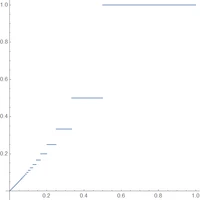

UniMorph 4.0: Universal Morphology
The Universal Morphology (UniMorph) project is a collaborative effort providing broad-coverage instantiated normalized morphological inflection tables for hundreds of diverse world languages. The project comprises two major thrusts: a language-independent feature schema for rich morphological annotation and a type-level resource of annotated data in diverse languages realizing that schema. This paper presents the expansions and improvements made on several fronts over the last couple of years (since McCarthy et al. (2020)). Collaborative efforts by numerous linguists have added 67 new languages, including 30 endangered languages. We have implemented several improvements to the extraction pipeline to tackle some issues, e.g. missing gender and macron information. We have also amended the schema to use a hierarchical structure that is needed for morphological phenomena like multiple-argument agreement and case stacking, while adding some missing morphological features to make the schema more inclusive. In light of the last UniMorph release, we also augmented the database with morpheme segmentation for 16 languages. Lastly, this new release makes a push towards inclusion of derivational morphology in UniMorph by enriching the data and annotation schema with instances representing derivational processes from MorphyNet.



RExBench: Can coding agents autonomously implement AI research extensions?
Agents based on Large Language Models (LLMs) have shown promise for performing sophisticated software engineering tasks autonomously. In addition, there has been progress towards developing agents that can perform parts of the research pipeline in machine learning and the natural sciences. We argue that research extension and its implementation is a critical capability for such systems, and introduce RExBench to support the evaluation of this capability. RExBench is a benchmark consisting of 12 realistic research experiment implementation tasks that aim to investigate research hypotheses that have not previously been implemented. Each task is set up as an extension to an existing research paper and codebase, accompanied by domain expert-written instructions. RExBench is robust to data contamination, and supports an automatic evaluation infrastructure that executes agent outputs to determine whether the success criteria are met. We use this benchmark to evaluate nine LLM agents implemented using three different frameworks: aider, Claude Code, and OpenHands. We find that all agents evaluated fail to autonomously implement the majority of the extensions. Although the success rate improves with additional human-written hints, the best performance under this setting remains below 40%. This indicates that current agents are still short of being able to handle realistic research extension tasks without substantial human guidance.

NLLG Quarterly arXiv Report 09/24: What are the most influential current AI Papers?
The NLLG (Natural Language Learning & Generation) arXiv reports assist in navigating the rapidly evolving landscape of NLP and AI research across cs.CL, cs.CV, cs.AI, and cs.LG categories. This fourth installment captures a transformative period in AI history - from January 1, 2023, following ChatGPT's debut, through September 30, 2024. Our analysis reveals substantial new developments in the field - with 45% of the top 40 most-cited papers being new entries since our last report eight months ago and offers insights into emerging trends and major breakthroughs, such as novel multimodal architectures, including diffusion and state space models. Natural Language Processing (NLP; cs.CL) remains the dominant main category in the list of our top-40 papers but its dominance is on the decline in favor of Computer vision (cs.CV) and general machine learning (cs.LG). This report also presents novel findings on the integration of generative AI in academic writing, documenting its increasing adoption since 2022 while revealing an intriguing pattern: top-cited papers show notably fewer markers of AI-generated content compared to random samples. Furthermore, we track the evolution of AI-associated language, identifying declining trends in previously common indicators such as "delve".

Chess as a Testbed for Language Model State Tracking
Transformer language models have made tremendous strides in natural language understanding tasks. However, the complexity of natural language makes it challenging to ascertain how accurately these models are tracking the world state underlying the text. Motivated by this issue, we consider the task of language modeling for the game of chess. Unlike natural language, chess notations describe a simple, constrained, and deterministic domain. Moreover, we observe that the appropriate choice of chess notation allows for directly probing the world state, without requiring any additional probing-related machinery. We find that: (a) With enough training data, transformer language models can learn to track pieces and predict legal moves with high accuracy when trained solely on move sequences. (b) For small training sets providing access to board state information during training can yield significant improvements. (c) The success of transformer language models is dependent on access to the entire game history i.e. "full attention". Approximating this full attention results in a significant performance drop. We propose this testbed as a benchmark for future work on the development and analysis of transformer language models.

Towards A Holistic Landscape of Situated Theory of Mind in Large Language Models
Large Language Models (LLMs) have generated considerable interest and debate regarding their potential emergence of Theory of Mind (ToM). Several recent inquiries reveal a lack of robust ToM in these models and pose a pressing demand to develop new benchmarks, as current ones primarily focus on different aspects of ToM and are prone to shortcuts and data leakage. In this position paper, we seek to answer two road-blocking questions: (1) How can we taxonomize a holistic landscape of machine ToM? (2) What is a more effective evaluation protocol for machine ToM? Following psychological studies, we taxonomize machine ToM into 7 mental state categories and delineate existing benchmarks to identify under-explored aspects of ToM. We argue for a holistic and situated evaluation of ToM to break ToM into individual components and treat LLMs as an agent who is physically situated in environments and socially situated in interactions with humans. Such situated evaluation provides a more comprehensive assessment of mental states and potentially mitigates the risk of shortcuts and data leakage. We further present a pilot study in a grid world setup as a proof of concept. We hope this position paper can facilitate future research to integrate ToM with LLMs and offer an intuitive means for researchers to better position their work in the landscape of ToM. Project page: https://github.com/Mars-tin/awesome-theory-of-mind

Neural Circuit Architectural Priors for Embodied Control
Artificial neural networks for motor control usually adopt generic architectures like fully connected MLPs. While general, these tabula rasa architectures rely on large amounts of experience to learn, are not easily transferable to new bodies, and have internal dynamics that are difficult to interpret. In nature, animals are born with highly structured connectivity in their nervous systems shaped by evolution; this innate circuitry acts synergistically with learning mechanisms to provide inductive biases that enable most animals to function well soon after birth and learn efficiently. Convolutional networks inspired by visual circuitry have encoded useful biases for vision. However, it is unknown the extent to which ANN architectures inspired by neural circuitry can yield useful biases for other AI domains. In this work, we ask what advantages biologically inspired ANN architecture can provide in the domain of motor control. Specifically, we translate C. elegans locomotion circuits into an ANN model controlling a simulated Swimmer agent. On a locomotion task, our architecture achieves good initial performance and asymptotic performance comparable with MLPs, while dramatically improving data efficiency and requiring orders of magnitude fewer parameters. Our architecture is interpretable and transfers to new body designs. An ablation analysis shows that constrained excitation/inhibition is crucial for learning, while weight initialization contributes to good initial performance. Our work demonstrates several advantages of biologically inspired ANN architecture and encourages future work in more complex embodied control.
Narrow Transformer: Starcoder-Based Java-LM For Desktop
This paper presents NT-Java-1.1B, an open-source specialized code language model built on StarCoderBase-1.1B, designed for coding tasks in Java programming. NT-Java-1.1B achieves state-of-the-art performance, surpassing its base model and majority of other models of similar size on MultiPL-E Java code benchmark. While there have been studies on extending large, generic pre-trained models to improve proficiency in specific programming languages like Python, similar investigations on small code models for other programming languages are lacking. Large code models require specialized hardware like GPUs for inference, highlighting the need for research into building small code models that can be deployed on developer desktops. This paper addresses this research gap by focusing on the development of a small Java code model, NT-Java-1.1B, and its quantized versions, which performs comparably to open models around 1.1B on MultiPL-E Java code benchmarks, making them ideal for desktop deployment. This paper establishes the foundation for specialized models across languages and sizes for a family of NT Models.


LeTI: Learning to Generate from Textual Interactions
Finetuning pre-trained language models (LMs) enhances the models' capabilities. Prior techniques fine-tune a pre-trained LM on input-output pairs (e.g., instruction fine-tuning), or with numerical rewards that gauge the quality of its outputs (e.g., reinforcement learning from human feedback). We explore LMs' potential to learn from textual interactions (LeTI) that not only check their correctness with binary labels, but also pinpoint and explain errors in their outputs through textual feedback. Our investigation focuses on the code generation task, where the model produces code pieces in response to natural language instructions. This setting invites a natural and scalable way to acquire the textual feedback: the error messages and stack traces from code execution using a Python interpreter. LeTI iteratively fine-tunes the model, using the LM objective, on a concatenation of natural language instructions, LM-generated programs, and textual feedback, which is only provided when the generated program fails to solve the task. Prepended to this fine-tuning text, a binary reward token is used to differentiate correct and buggy solutions. On MBPP, a code generation dataset, LeTI substantially improves the performance of two base LMs of different scales. LeTI requires no ground-truth outputs for training and even outperforms a fine-tuned baseline that does. LeTI's strong performance generalizes to other datasets. Trained on MBPP, it achieves comparable or better performance than the base LMs on unseen problems in HumanEval. Furthermore, compared to binary feedback, we observe that textual feedback leads to improved generation quality and sample efficiency, achieving the same performance with fewer than half of the gradient steps. LeTI is equally applicable in natural language tasks when they can be formulated as code generation, which we empirically verified on event argument extraction.

TartuNLP @ AXOLOTL-24: Leveraging Classifier Output for New Sense Detection in Lexical Semantics
We present our submission to the AXOLOTL-24 shared task. The shared task comprises two subtasks: identifying new senses that words gain with time (when comparing newer and older time periods) and producing the definitions for the identified new senses. We implemented a conceptually simple and computationally inexpensive solution to both subtasks. We trained adapter-based binary classification models to match glosses with usage examples and leveraged the probability output of the models to identify novel senses. The same models were used to match examples of novel sense usages with Wiktionary definitions. Our submission attained third place on the first subtask and the first place on the second subtask.


Small Edits, Big Consequences: Telling Good from Bad Robustness in Large Language Models
Large language models (LLMs) now write code in settings where misreading a single word can break safety or cost money, yet we still expect them to overlook stray typos. To probe where useful robustness ends and harmful insensitivity begins, we compile 50 LeetCode problems and craft three minimal prompt perturbations that should vary in importance: (i) progressive underspecification deleting 10 % of words per step; (ii) lexical flip swapping a pivotal quantifier ("max" to "min"); and (iii) jargon inflation replacing a common noun with an obscure technical synonym. Six frontier models, including three "reasoning-tuned" versions, solve each mutated prompt, and their Python outputs are checked against the original test suites to reveal whether they reused the baseline solution or adapted. Among 11 853 generations we observe a sharp double asymmetry. Models remain correct in 85 % of cases even after 90 % of the prompt is missing, showing over-robustness to underspecification, yet only 54 % react to a single quantifier flip that reverses the task, with reasoning-tuned variants even less sensitive than their bases. Jargon edits lie in between, passing through 56 %. Current LLMs thus blur the line between harmless noise and meaning - changing edits, often treating both as ignorable. Masking salient anchors such as function names can force re - evaluation. We advocate evaluation and training protocols that reward differential sensitivity: stay steady under benign noise but adapt - or refuse - when semantics truly change.
Lenses and Learners
Lenses are a well-established structure for modelling bidirectional transformations, such as the interactions between a database and a view of it. Lenses may be symmetric or asymmetric, and may be composed, forming the morphisms of a monoidal category. More recently, the notion of a learner has been proposed: these provide a compositional way of modelling supervised learning algorithms, and again form the morphisms of a monoidal category. In this paper, we show that the two concepts are tightly linked. We show both that there is a faithful, identity-on-objects symmetric monoidal functor embedding a category of asymmetric lenses into the category of learners, and furthermore there is such a functor embedding the category of learners into a category of symmetric lenses.
Syntax-Aware On-the-Fly Code Completion
Code completion aims to help improve developers' productivity by suggesting the next code tokens from a given context. Various approaches have been proposed to incorporate abstract syntax tree (AST) information for model training, ensuring that code completion is aware of the syntax of the programming languages. However, existing syntax-aware code completion approaches are not on-the-fly, as we found that for every two-thirds of characters that developers type, AST fails to be extracted because it requires the syntactically correct source code, limiting its practicality in real-world scenarios. On the other hand, existing on-the-fly code completion does not consider syntactic information yet. In this paper, we propose PyCoder to leverage token types, a kind of lightweight syntactic information, which is readily available and aligns with the natural order of source code. Our PyCoder is trained in a multi-task training manner so that by learning the supporting task of predicting token types during the training phase, the models achieve better performance on predicting tokens and lines of code without the need for token types in the inference phase. Comprehensive experiments show that PyCoder achieves the first rank on the CodeXGLUE leaderboard with an accuracy of 77.12% for the token-level predictions, which is 0.43%-24.25% more accurate than baselines. In addition, PyCoder achieves an exact match of 43.37% for the line-level predictions, which is 3.63%-84.73% more accurate than baselines. These results lead us to conclude that token type information (an alternative to syntactic information) that is rarely used in the past can greatly improve the performance of code completion approaches, without requiring the syntactically correct source code like AST-based approaches do. Our PyCoder is publicly available on HuggingFace.
R1-Zero's "Aha Moment" in Visual Reasoning on a 2B Non-SFT Model
Recently DeepSeek R1 demonstrated how reinforcement learning with simple rule-based incentives can enable autonomous development of complex reasoning in large language models, characterized by the "aha moment", in which the model manifest self-reflection and increased response length during training. However, attempts to extend this success to multimodal reasoning often failed to reproduce these key characteristics. In this report, we present the first successful replication of these emergent characteristics for multimodal reasoning on only a non-SFT 2B model. Starting with Qwen2-VL-2B and applying reinforcement learning directly on the SAT dataset, our model achieves 59.47% accuracy on CVBench, outperforming the base model by approximately ~30% and exceeding both SFT setting by ~2%. In addition, we share our failed attempts and insights in attempting to achieve R1-like reasoning using RL with instruct models. aiming to shed light on the challenges involved. Our key observations include: (1) applying RL on instruct model often results in trivial reasoning trajectories, and (2) naive length reward are ineffective in eliciting reasoning capabilities. The project code is available at https://github.com/turningpoint-ai/VisualThinker-R1-Zero





HuggingFace's Transformers: State-of-the-art Natural Language Processing
Recent progress in natural language processing has been driven by advances in both model architecture and model pretraining. Transformer architectures have facilitated building higher-capacity models and pretraining has made it possible to effectively utilize this capacity for a wide variety of tasks. Transformers is an open-source library with the goal of opening up these advances to the wider machine learning community. The library consists of carefully engineered state-of-the art Transformer architectures under a unified API. Backing this library is a curated collection of pretrained models made by and available for the community. Transformers is designed to be extensible by researchers, simple for practitioners, and fast and robust in industrial deployments. The library is available at https://github.com/huggingface/transformers.
